
Photo source unknown
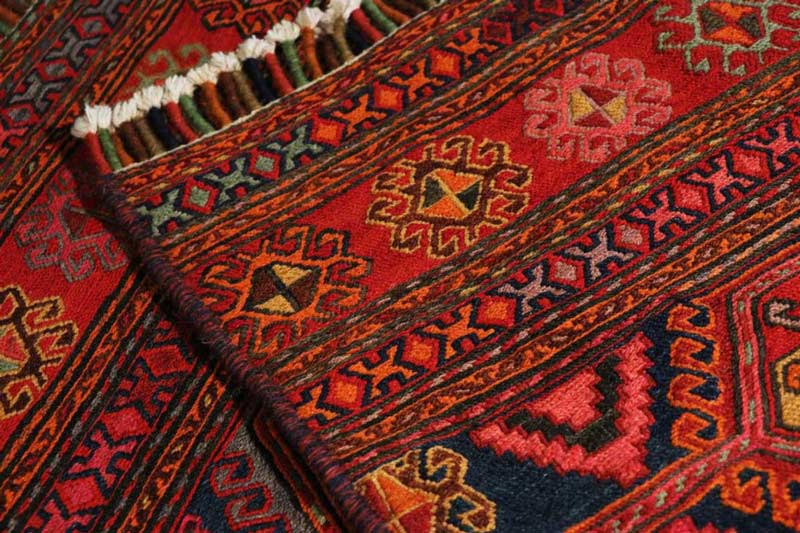
Weaving and traditional weaving are among the oldest handicrafts of Iran. This industry was formed in order to meet the human need for clothing and some daily items and was divided into different branches. Today, traditional weaving and textile industry can be considered as one of the most diverse handicrafts in Iran. In different provinces of our country, the weaving of various types of carpets and rugs and different types of traditional textiles are popular, which are among the most famous handicrafts of these regions. Some of the sub-branches of this industry are: gabe weaving, jajim weaving, silk weaving, night tent weaving, velvet weaving, curtain weaving, khos weaving, bar weaving, shamad weaving and chafieh weaving.
Traditional embroidery
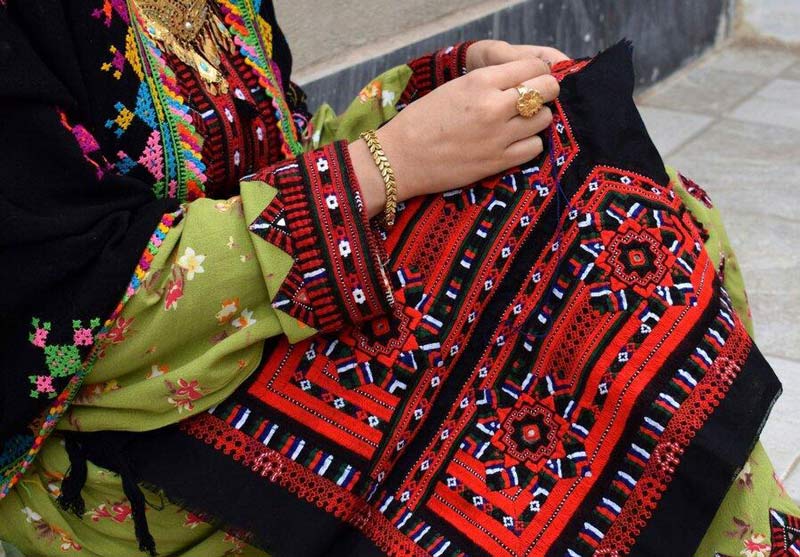
Photo source: Kohen Pars site, unknown photographer
The art of embroidery was formed due to human interest in decorating clothes and various items such as tablecloths and all kinds of rugs. The art of embroidery is one of the common handicrafts in different parts of Iran and it is done in different cities with various tools. The most famous branches of embroidery include needlework, tapestry, patchwork and crochet.
Handicrafts of embroidery also include patchwork inside the fabric. Needlework is done on simple fabrics, tapestry is done on traditional fabrics such as cashmere, and to decorate Janmaz, pate is done on thick fabrics and crochet is often done on mahout fabrics. In the past, it was common to use gold and silver in tapestry embroidery and silk thread in embroidery. Among the other sub-sets of hand embroidery, we can mention cream embroidery, chashme embroidery, star embroidery, glabton embroidery, black embroidery, and velvet embroidery. This art has many sub-branches, each of which is related to different cities. kilim bag
Metal crafts
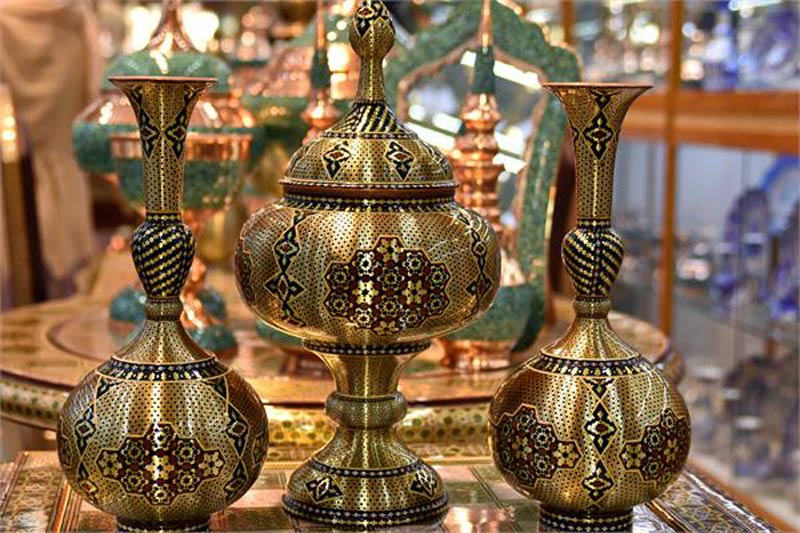
Photo source: Isfahan handicrafts site
The discovery of metal in the ancient times drew people's attention to this first material for the manufacture of daily necessities, and its use to prepare all kinds of utensils and everyday tools became common due to the high strength of this material. Among the works left from ancient Iran, there are many examples of all kinds of metal tools. For this reason, the age of metal crafts can be attributed to ancient Iran.
Even today, metal handicrafts, especially its expensive types such as silverwork and copper plating, are among the most popular handicrafts in Iran. Artisans create unique works by using special tools and spending hours to carve and shape various types of metal. Among the most famous branches of metal handicrafts, we can mention the arts of engraving, engraving, pen making, goldsmithing, goldsmithing, silversmithing, coppersmithing, casting, jewelry making, weapon making, and sign making.
Enamel handicrafts
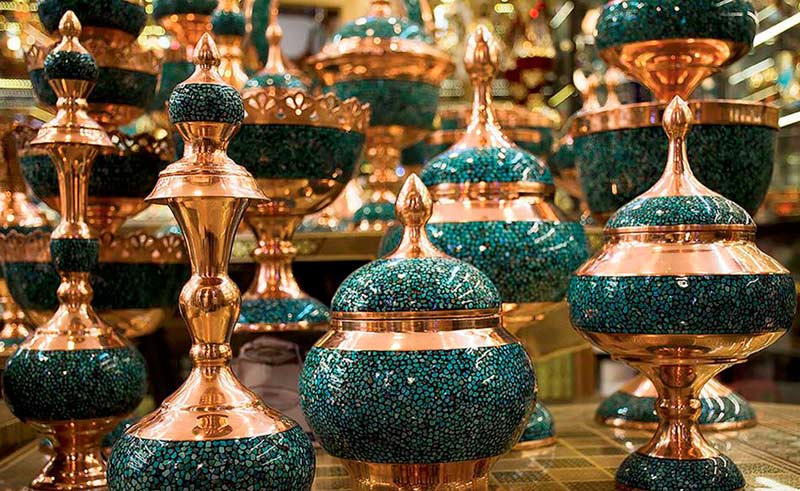
Photo source: Moj news agency, unknown photographer
Enamel crafts are one of the most beautiful dishes and decorative items that are very difficult to make. Mina Kari works of art are among the most expensive handicrafts in Iran, which are made by the most skilled artisans. This art is more than 5000 years old. Mina Kar artists create beautiful works by combining matte colors and working with tiles and metal. Subsets of the enameling industry include inlaid, grid, painted enamel and sabi enamel, and inlaid enameling is considered the most difficult field of this art.
Pottery crafts
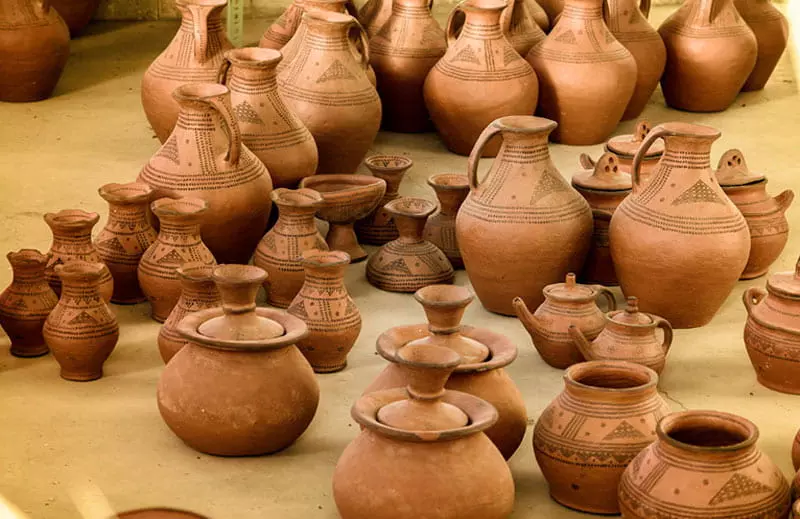
Photo source: sofalinc website, unknown photographer
Pottery is one of the most popular crafts in Iran among tourists and has a long history. In every region of Iran, due to the access to the element of soil, making pottery has been popular since the distant past. In different historical periods, people made pottery by mixing water and soil and making clay vessels, and over time, clay replaced ordinary soil. The most prominent historical pottery are jars and bowls found in ancient buildings.
Pottery is divided into two categories: unglazed and glazed. In different cities of Iran, there are museums called Diyar Pottery Museum, where you can see all kinds of historical pottery. Hand pottery, wheel pottery and potting are among the subsets of pottery art.
Water crafts
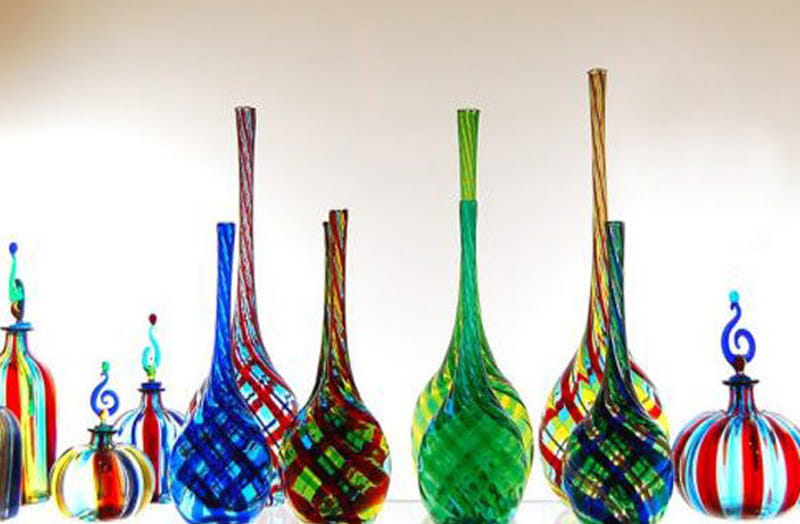
Photo source: Mehr news agency, unknown photographer
Glass handicrafts are one of the most beautiful works of art in Iran. Historical fountains discovered in different parts of Iran show the high age of these handicrafts. You can see the most beautiful water-based works made by Iranian artisans at the Water-based Museum on 30 Tir Street in Tehran. Among the sub-sets of water art, we can mention molded glass, foot glass, three-layer glass, two-layer glass, cutting on glass, frosting, and frosting. Beautiful handicrafts are also made from the combination of this art with the art of enameling and metal handicrafts by Iranian artisans.
wooden handicrafts
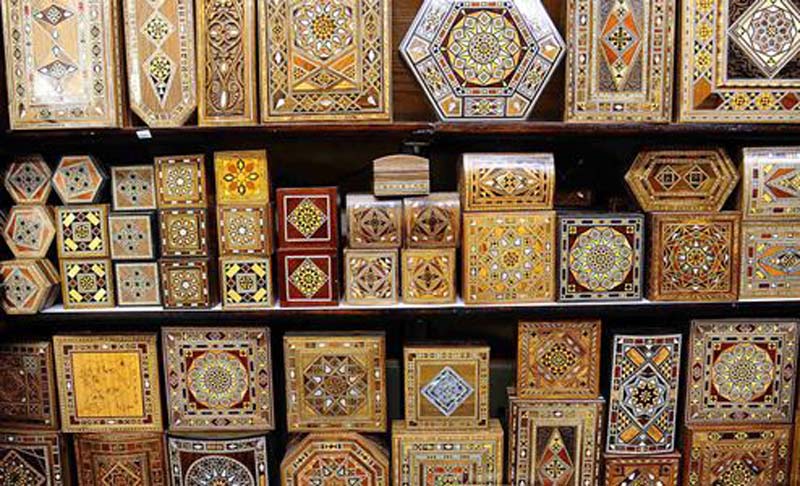
Photo source: Sed and Sima news agency, unknown photographer
Wooden handicrafts are one of the most beautiful Iranian works of art that have been popular in Iran for many years. These industries are very wide and many artists work in them. Different cities of Iran have a variety of wooden handicrafts, among which we can mention turning, mosaic making, inlaying, inlaying, and mesh work. The works of art made by wood artisans are very useful in everyday life. One of the most popular wooden works and handicrafts are inlay works.
Stone crafts
Photographer and photo source: Mohsen Rahimi Anbaran from Young Journalists Club
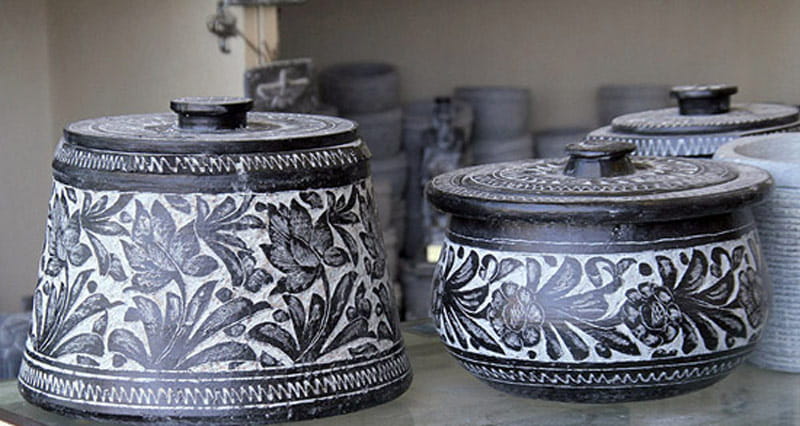
Stone cutting and engraving on it is considered one of the first hand arts of Iranians; Of course, ancient stone objects in different parts of the world show the age of this art in the whole world. Stone crafts have changed a lot over time, and with the discovery of beautiful and decorative stones in all corners of the world, cutting and making stone ornaments became popular. Among the main sub-branches of these industries, we can mention the works of inlaid stone, turquoise, stone carving, mesh work and stone inlay work. Stone works of art are one of the most lasting handicrafts.
Painting crafts
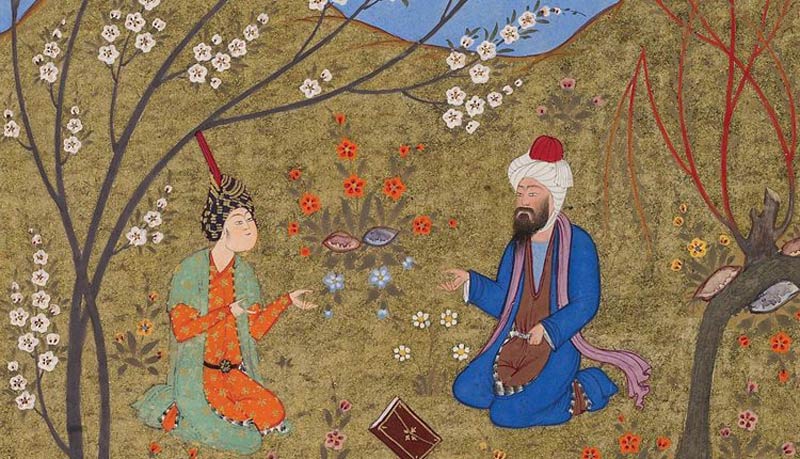
Photo source: Handicraft site
Iranian painting crafts are famous in the world. These works are included in the category of visual arts and are considered among the most beautiful works and handicrafts of our country. The diversity of these industries is also high, and various examples of painting by Iranian artists can be seen in works of gilding, advertising, flowers and birds, and coffee house painting. Painting is the basic and prerequisite of many other handicrafts. You can see outstanding examples of Iranian painting in Reza Abbasi Museum in Tehran.
Traditional printing crafts
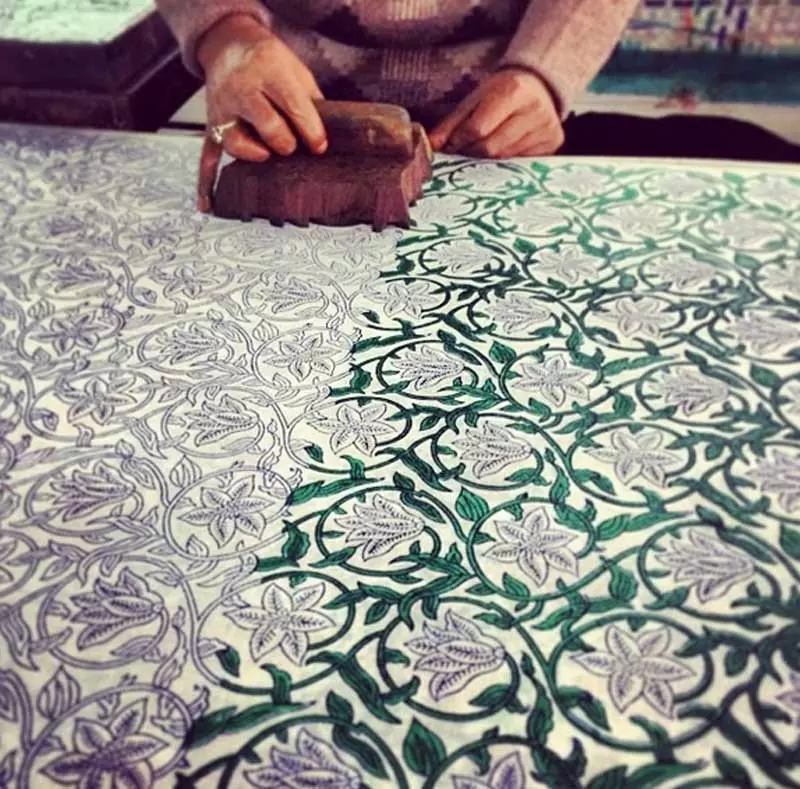
Photo source: Photoshop website, unknown photographer
In the past, two types of printing were used in the traditional method. Printing on paper and printing on cloth were different branches of traditional printing. The construction of these industries was first done in order to decorate cloth and paper, but over time it also found its place in the facade architecture of mosques and historical buildings. Patterned tiles in Iran's historic mosques, such as Sheikh Lotfollah Mosque, are among the most beautiful examples of traditional printing. Different types of calligraphy and hat embroidery are also among the subsets of traditional Iranian printing.
Handicrafts of mat weaving
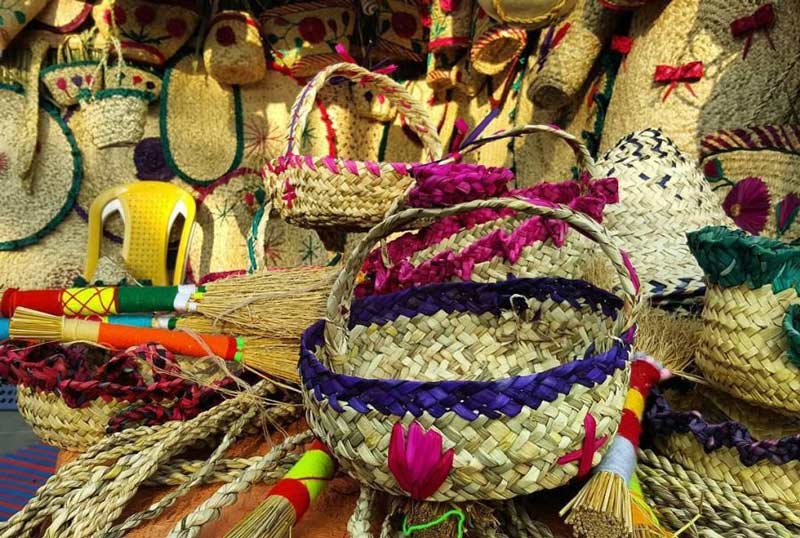
Photo source unknown
Carpet weaving is another old handicraft of Iran, which is still popular in the southern and northern regions of our country. Today, they use all kinds of wicker handicrafts as souvenirs. Although the mat weaving industry can be considered as one of the sub-branches of wooden handicrafts, the extent of this branch and its high position in the handicraft market has made it a separate branch in this industry.
To make wicker works in different parts of the country, they use palm leaves, wheat stalks, reeds and all kinds of leaves. Wicker items are highly used in people's daily life, especially in areas with high humidity. Tasteful artists produce various works by dyeing the mat and combining it with colored threads. Borya weaving, pearl weaving, bomb weaving and basket weaving can be mentioned among the subcategories of mat weaving art.
Felt handicrafts
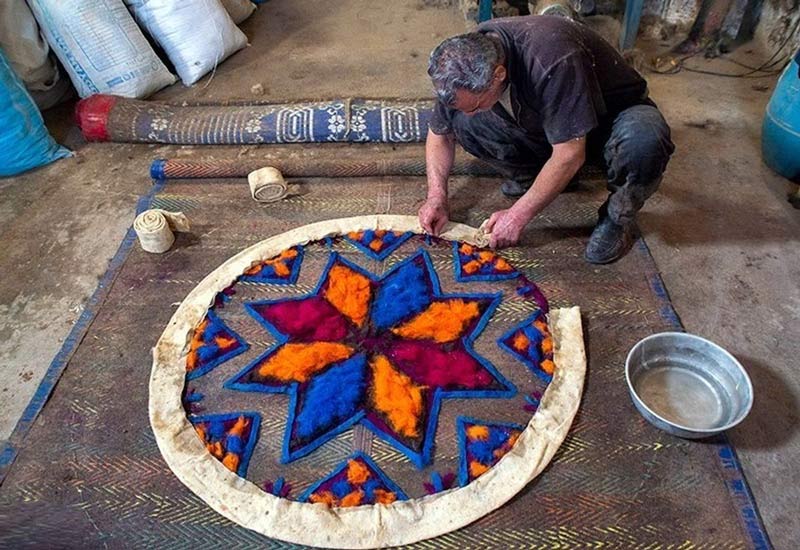
Photo source: Online Economy, photographer unknown
Felting is one of the most authentic Iranian businesses and its products are an example of Iranian handicrafts. Felt products are used to produce all kinds of carpets, underlays, blankets and other consumables. Felt is prepared from sheep's wool and by coloring and beating it, they make various works. In this art, using hot water, the felt is kneaded and prepared for use in handicrafts. Nemdmal artists work hard to produce all kinds of rugs, and nemdmal is one of the most difficult branches of craft making.
Leather crafts
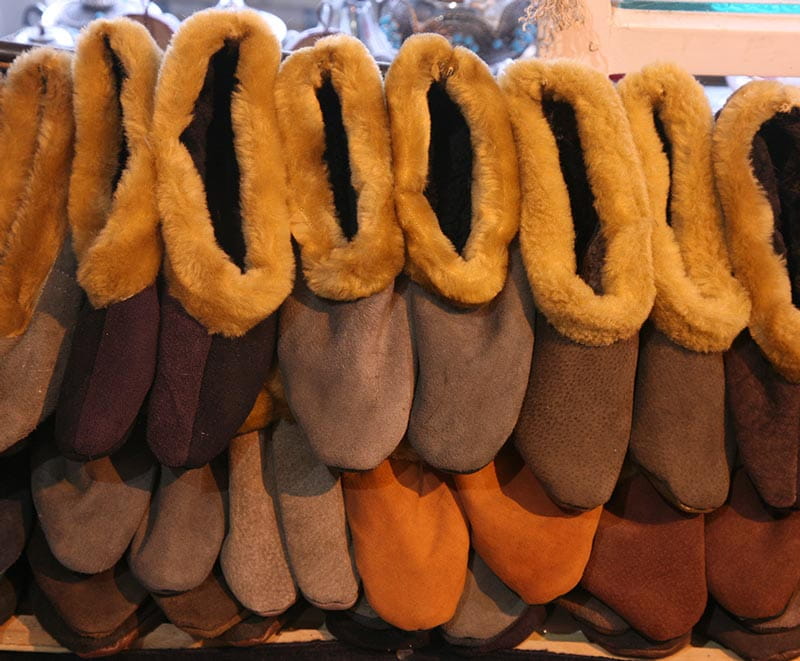
Photo source: Iran Antique website, unknown photographer
Leather making is one of the most original crafts of the nomadic and pastoral people of Iran. The cold weather in the living areas of cattle breeders and nomads has caused the production of these products. Over time, handmade skins attracted the attention of tourists and its production became popular among nomadic people to sell to travelers. Poustins are made from lamb and sheep skin and in Turkmen language they are called "Ochcham".
Leather crafts
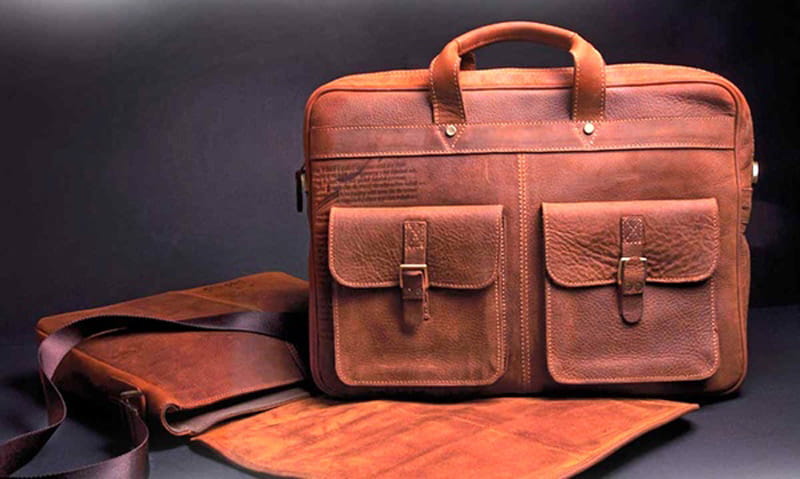
Photo source: Ilna news agency, unknown photographer
Leather products are among the most popular handicrafts in Iran. Of course, leather handicrafts are produced in different parts of the world and it can be said that they are one of the most important export handicrafts in the whole world. The leather industry is one of the handicrafts related to animal products, and handmade leather works are among the most expensive handicrafts in the market. The variety of leather artworks is high and includes different types of clothes, bags, shoes and decorative items. Among the most important subcategories of leather crafts, we can mention traditional leather cover making, traditional saddlery, leather stitching, leather embroidering, leather painting, saddle making, and leather engraving.
Traditional dyeing and dyeing crafts
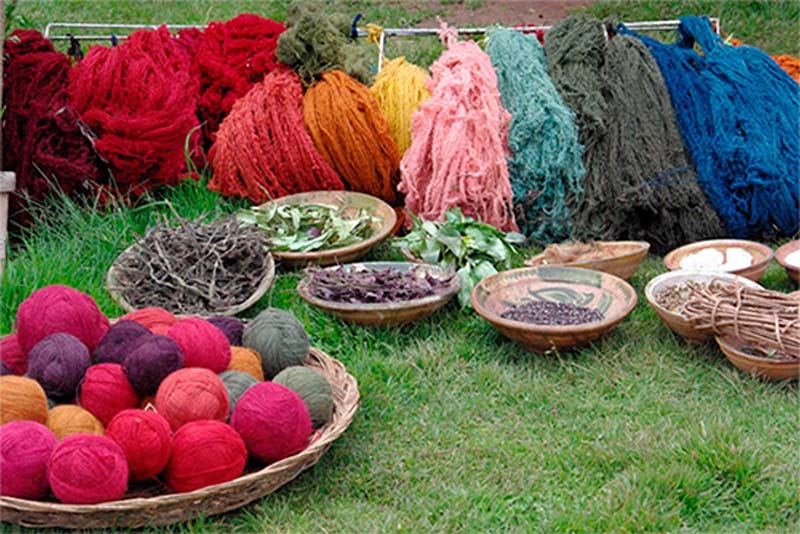
Photo source unknown
The art of traditional dyeing and dyeing emerged after the development of weaving industries. The reason for the formation of these handicrafts was the human desire for high color diversity in the production of various types of knitwear such as carpets and clothes. In traditional dyeing, natural colors were produced by using natural plant seeds and combining them with each other. Among the most important plants that can be used in this branch, we can mention runas, pomegranate, onion and mountain oil. Different insect larvae were also used in the traditional dyeing method.
Over time and with the increasing skill of dyers in making various colors, they used this art in architecture, woodwork, various textures and paper industries. Even today, traditional dyeing industries are widely used due to its naturalness.
Traditional clothing handicrafts
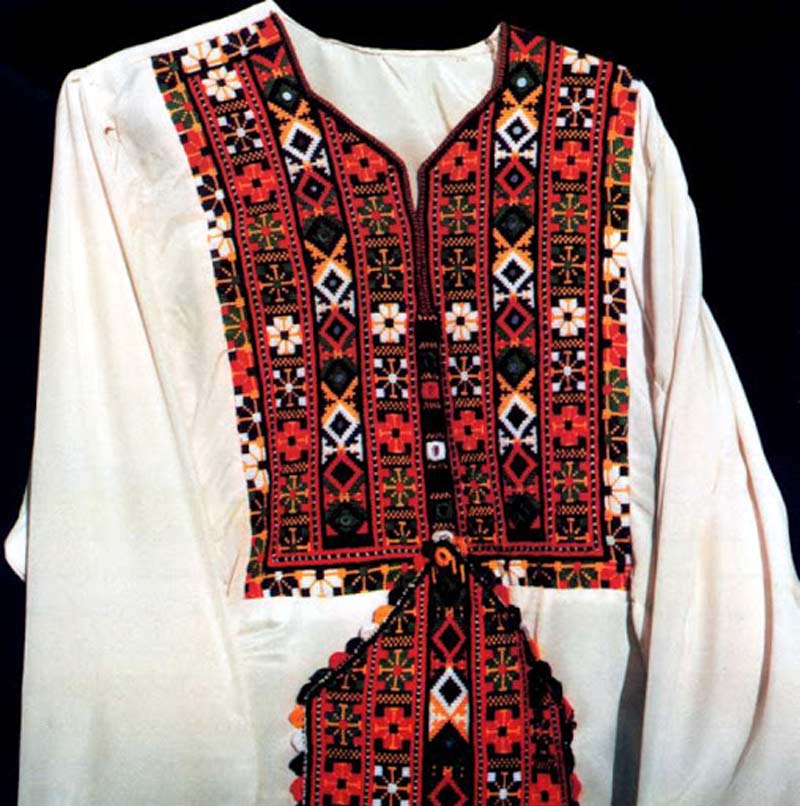
Photo source: Virtual Museum of Spiritual Heritage
Since ancient times, Iranian women have made a significant contribution to the production of handicrafts in all corners of Iran. Rural, nomadic and local women in different parts of Iran have produced their traditional clothes with signs of ethnic culture. Over time, these clothes have found their place in the market and among tourists. Although this branch of handicrafts can be considered a subset of industries such as weaving and leather, the high importance of traditional clothing products raises the status of these products. Traditional clothing includes a wide range of ethnic clothing, tops, traditional shoes such as charuq, chamoosh, kalash, giveh and other types of fabrics.
Other handicrafts of Iran
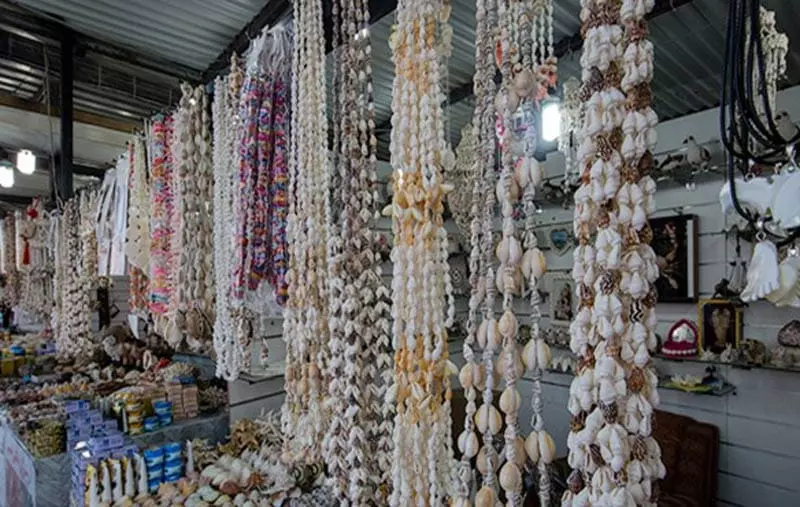
Photo source: Rah Dana, unknown photographer
Over the years, with the progress of the industry and the construction of new tools, different handicrafts were created that are less old than the ancient handicrafts in Iran. Paper-related industries can be mentioned among these handicrafts. Branches such as bookmaking, binding, cover making, paper cutting and traditional papermaking belong to these industries.
Marine handicrafts started from coastal areas and cities that had access to the sea, and today many artists create beautiful handicrafts by carving shells and painting on them. Painting and engraving on bone is also one of the other handicrafts of Iran and other parts of the world. Architecture is one of the most beautiful and original branches of art in Iran, which artisans have created unique works by combining it with other handicrafts. Artistic handicrafts such as moghrans work, plastering, mirror work, traditional wall painting, brickwork and plastering are examples of the integration of architectural art and handicrafts in Iran. Making musical instruments and traditional Iranian instruments is also considered one of the most prominent handicrafts of Iran.
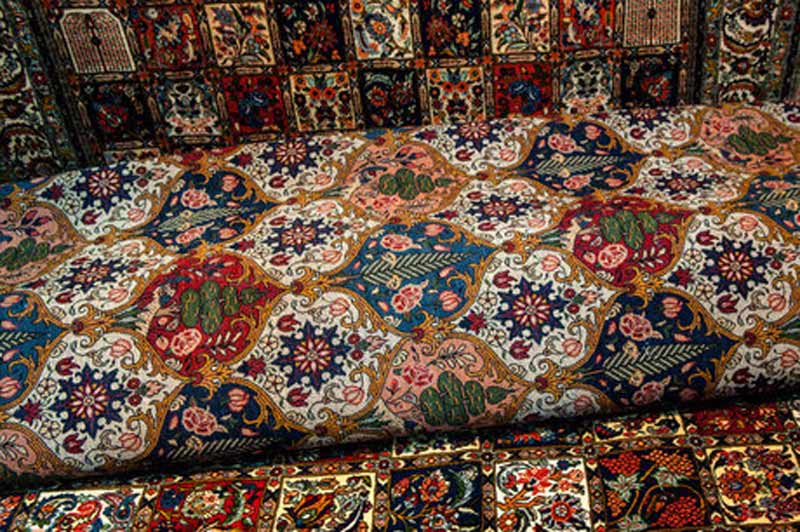
Photo source: ISNA news agency, unknown photographer
Knitting handicrafts in Iran have been one of the most important handicrafts over the years, which have played an important role in promoting exports and introducing the works of Iranian artists to the whole world. Weaving handicrafts can be called as the most famous handicrafts of Iran. In general, all types of knitting handicrafts in Iran are divided into two categories: weaving and textile industries.
You have woven handicrafts
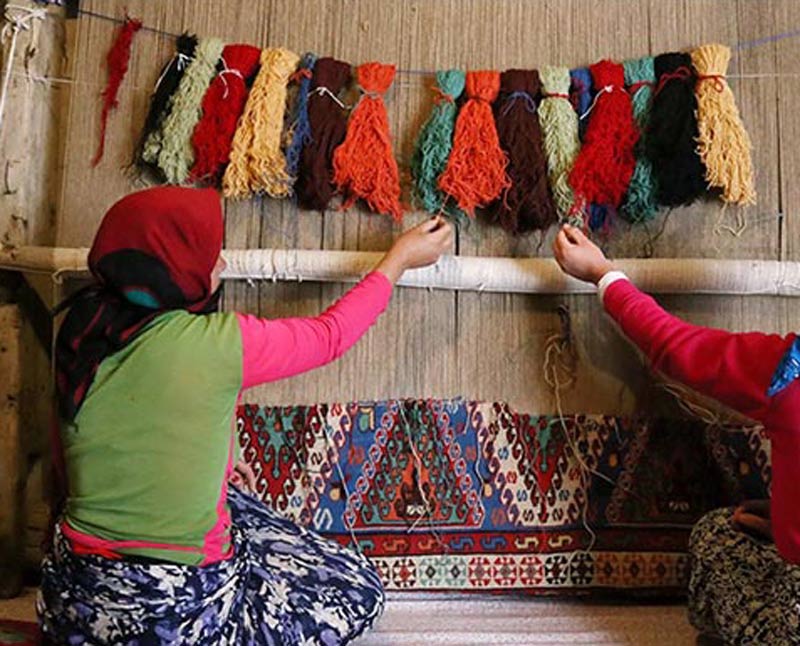
Photo source: Parnon site, unknown photographer
Dari braids are a group of handicrafts that are woven on a dari. The doors are made by tying wooden logs together in rectangular and square shape and put the desired weave on it. The most famous weaving in Iran is the Iranian carpet, which has a worldwide reputation. Persian rug or carpet is considered the most famous underlayment in Iran, which is woven with various types of wool, silk, silk flowers or with a combination of threads.
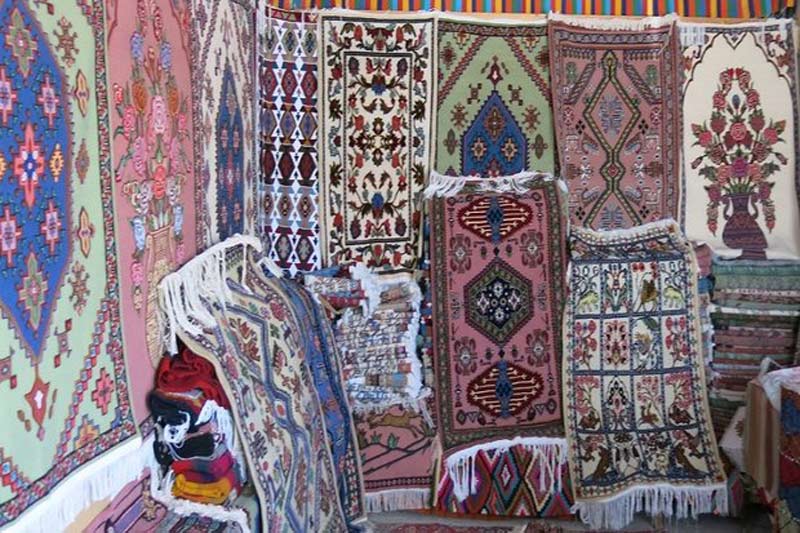
Photo source: Mehr news agency, unknown photographer
Iranian carpets are unique in the world, and in each of the cities of our country, unique roles are used in the texture of carpets; For this reason, many artisans in the field of carpets can identify the texture area of each carpet from the appearance of the carpet. The most important carpet weaving cities in Iran are Tabriz, Kashan, Mashhad, Kerman and Nain. These cities export more than 30% of the world's handwoven carpets.
Among the different types of woven rugs in Iran, we can mention double or simple woven rugs, single-sided or embossed rugs, and plain or varnished rugs. Among other Dari weaves, we can mention Gebeh and Zilo.
Textile handicrafts
Traditional textile industry or hand woven fabric is one of the other handicrafts in the world, of which Iranians were pioneers. Traditional handwoven fabrics are divided into two general categories. The first category is valuable and expensive fabrics made of fibers such as silk and zari. Zari, velvet, cashmere, silk and shawl can be mentioned among the types of these fabrics. The second category includes Abaya, Barak, Karbas, Motaqal, Shamd, Pardah and Chador Shab fabrics, which have a lower price.
Iran's best-selling handicrafts
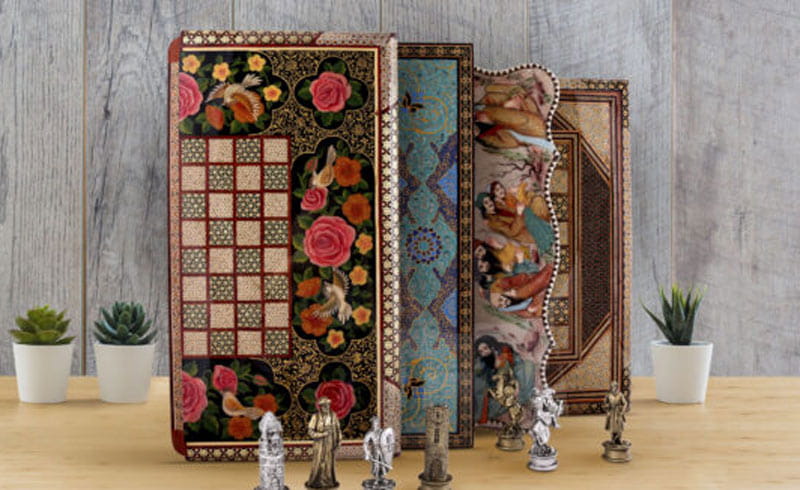
Photo source: Zarifa store website
Iranian carpet is the best-selling handicraft product of our country. Carpets from different regions of the country have their fans, and Iranian hand-woven carpets still have a good domestic market. One of the best-selling handicrafts in the country is wooden handicrafts. Furniture, bedding, and many other household items are made of wood, and inlay art is one of the most popular arts among Iranians.
Other popular handmade products in the Iranian market are copper and glass dishes. A significant part of the sales of the traditional markets of Isfahan and Shiraz belong to copper handicrafts. Pottery and ceramic artefacts are also popular among tourists and many travelers buy these handicrafts for souvenirs. Different types of embroidering, enameling, handmade ornaments, crocheting and embroidery are also among the best-selling handicrafts in different cities of Iran.
The most popular export handicrafts of Iran
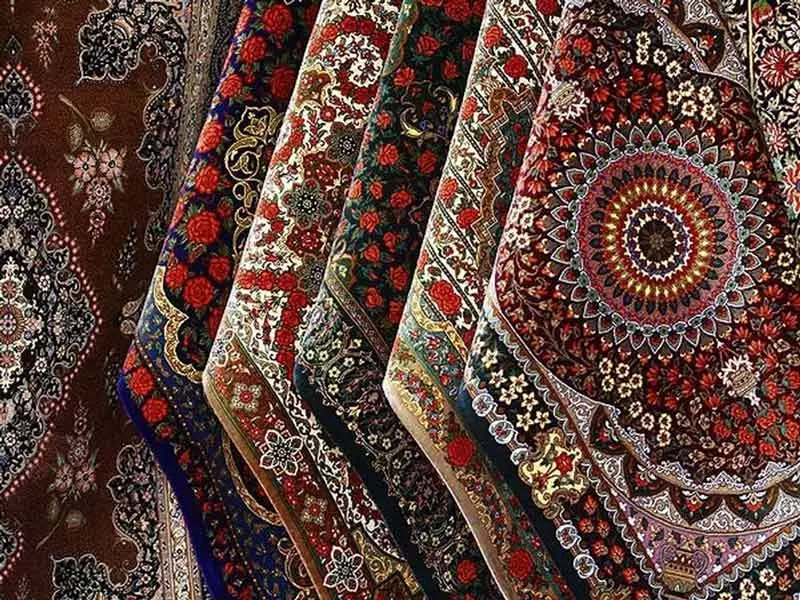
Photo source: Online Economy, photographer unknown
Iran is one of the most active countries in this field with activities in 370 fields out of 600 fields of handicrafts known in the world. Iranian handicrafts are exported to Iraq, Turkey, United Arab Emirates, China, South Korea, Indonesia and Afghanistan, and Iranian carpet is one of the most important export goods of our country to the European continent.
Among other popular products and handicrafts of Iran in the world, we can mention copper, pottery, felt, pen and enamel industries. Although the exports of handicrafts have grown significantly over the past years, the field is ready for the expansion of Iranian handicrafts and requires more investment and careful planning. In 2016, Iranian handicrafts won the second rank in exports and the first rank in non-oil exports. Among the different provinces of our country, Isfahan province is the leader in the export of handicrafts.
Familiarity with Iranian handicrafts
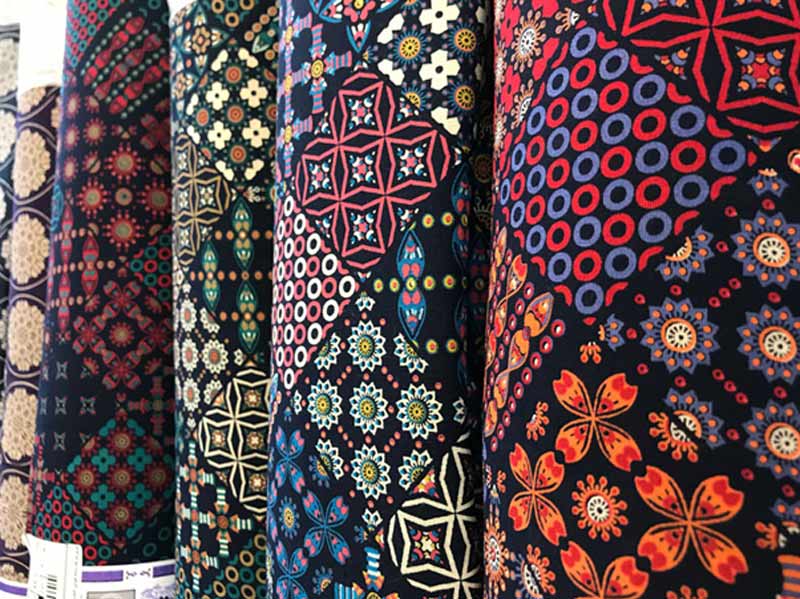
Photo source unknown
Iran, with a strong background in culture and civilization, has artistic relics from past centuries. Today, our country is known in the world as one of the most prominent regions exporting works of art and handicrafts. Iranian handicrafts are among the most valuable works of art in our country and are a manifestation of the culture of Iran's national ethnic groups. The discovery of ancient works of art made by human hands in the historical monuments of our country tells about the close connection of art and handicrafts with the civilization of this land.
In the historical works of Iran, signs of the art of architects, painters and engineers can be seen in tombs, mosques, palaces and historical buildings. Each of these works shows a part of the identity and culture of the people of their time with prominent signs from different historical periods.
In the general definition, the combination of hand art and the use of native and traditional tools in creating a work is called handicrafts. The artistic taste and creativity of the craftsman has a great impact on the creation of artwork and handicrafts. The handicrafts of each region of Iran are unique; Although there are common industries in some cities, signs of the rooted culture of a city or village can be seen in the fabric of each work. The most essential element in making handicrafts is the art of human hands, and this doubles the value of these works.
As a native and traditional art of the people of our land, Iranian handicrafts play an effective role in strengthening the economic situation of different regions of the country. Currently, Iran's handicrafts are considered one of the top three poles of handicrafts in the world, and proper investment along with detailed planning in the production and introduction of these works at the global level can lead to high income generation at the national level.


Photographer and photo sources: Mahmoud Rahimi from Mehr news agency, Isfahan handicraft sites, Chic Art, Cefalink, Zarifa and IRNA and Sahib News news agencies.
In general, handicrafts can be divided into three categories: artistic, artistic-consumable and consumer handicrafts. These industries are distinct from factory products due to the subtleties of hand-crafted design. One of the most important features of handicrafts is the use of domestically produced raw materials. The added value of these products is also very high considering the initial investment and it is possible to expand this industry in deprived and rural areas. The amount of damage of this industry to the environment is also very small compared to the destructive effects of modern and machine industries.
Over the past two years, from the winter of 2019 until now, the spread of the corona virus in the world has caused irreparable damage to Iranian handicrafts. Obviously, with the boom in tourism and the increase in attracting tourists in Iran, handicrafts will generate more income and prosperity. The 10th day of June, equivalent to 20 June in Iran, has been named as the International Day of Handicrafts.
Iranian handicraft stores
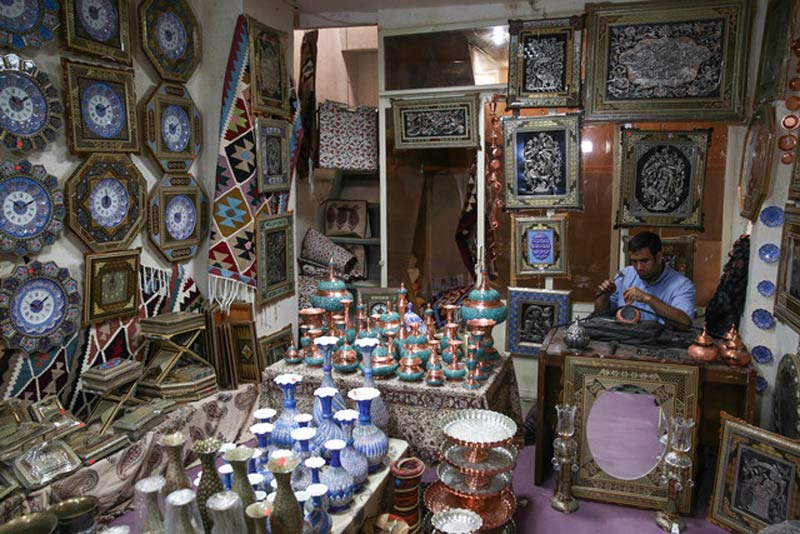
Photo source: ISNA news agency, unknown photographer
Over the years, various handicraft festivals have been held in different cities of our country. The purpose of holding handicraft festivals and exhibitions is to expand the business of these industries and culturally value them. Apart from the annual events in different cities of Iran in the field of handicrafts, handicraft shops in different cities operate in a specialized manner. In these stores, the most famous works and handicrafts of each city are exposed to the public of tourists, and art lovers buy from these stores.
Some works and handicrafts of Iran have been registered in the list of world works. The names of the cities producing these works are also included in these lists. Craft shops in these towns offer outstanding examples of handicrafts for sale to tourists and travelers.
Handicraft shops are also open in other cities. These stores are more concentrated near the historical attractions and museums of different cities. Shopping centers, especially the traditional markets of different Iranian cities, are also suitable places to buy all kinds of Iranian handicrafts.
Cities and villages registered in the World Handicrafts List
With 11 cities and three villages, Iran is at the top of the list of registered handicrafts of countries in the world. The World Handicrafts Council operates under the supervision of the UNESCO organization, and different countries send files of these works to this council to register their works and handicrafts. The names of Iranian cities and villages were registered in this council between 2015 and 2020.
Isfahan is the first registered city from Iran in the list of world handicrafts with more than 130 artistic fields. The most skilled craftsmen of Iran were born in this city. The city of Mashhad also joined this list after Isfahan in 1395. Artworks made with ornamental stones are the most famous handicrafts of Mashhad. We recommend the articleHandicrafts of Isfahanread the
The city of Shiraz is one of the most historical cities in Iran, which was registered in the list of world handicraft cities in 2018. A variety of handicrafts are made in this city by the hands of artisans, the most famous of which are embroideries, embroideries, inlays, and silk weaving. The name of the city of Malair was also registered in the world list of handicrafts at the same time as Shiraz. The most prominent handicrafts in the city of Malair are furniture and inlaid works.
Tabriz is known in the world as the cradle of Iranian carpets. One of the most exquisite and expensive carpetsHandicrafts of Tabrizand the world The name of the city of Zanjan was included in the world list of handicrafts in 2018. The most prominent crafts in this city are traditional knife making and tapestry making.
Other Iranian cities in this list are Laljin Hamedan with the title of Safal World City, Abadeh in Fars province with the title of Manbet World City, Meybod Yazd as the Zilo World City, Marivan of Kurdistan with the title of the Kalash World City and the city of Sirjan Kerman with the title of the World Carpet City. are.
Khorashad village in South Khorasan province and 24 kilometers east of Birjand is known in the world as Tobafi Global Village. The art of traditional cloth weaving in this village is more than 300 years old. Another Iranian village in the world listHandicrafts of Qasim Abad village in Mazandaran provinceIs. This area is known as the world village of Chador Shabbafi. Kalpurgan village is located 26 km away from Saravan in Sistan and Baluchistan province, and it has been given the title of Global Pottery Village. In this village, there is a living museum of Iranian pottery, and tourists can see different parts of pottery making.
Photo source unknown
Weaving and traditional weaving are among the oldest handicrafts of Iran. This industry was formed in order to meet the human need for clothing and some daily items and was divided into different branches. Today, traditional weaving and textile industry can be considered as one of the most diverse handicrafts in Iran. In different provinces of our country, the weaving of various types of carpets and rugs and different types of traditional textiles are popular, which are among the most famous handicrafts of these regions. Some of the sub-branches of this industry are: gabe weaving, jajim weaving, silk weaving, night tent weaving, velvet weaving, curtain weaving, khos weaving, bar weaving, shamad weaving and chafieh weaving.
Traditional embroidery
Photo source: Kohen Pars site, unknown photographer
The art of embroidery was formed due to human interest in decorating clothes and various items such as tablecloths and all kinds of rugs. The art of embroidery is one of the common handicrafts in different parts of Iran and it is done in different cities with various tools. The most famous branches of embroidery include needlework, tapestry, patchwork and crochet.
Handicrafts of embroidery also include patchwork inside the fabric. Needlework is done on simple fabrics, tapestry is done on traditional fabrics such as cashmere, and to decorate Janmaz, pate is done on thick fabrics and crochet is often done on mahout fabrics. In the past, it was common to use gold and silver in tapestry embroidery and silk thread in embroidery. Among the other sub-sets of hand embroidery, we can mention cream embroidery, chashme embroidery, star embroidery, glabton embroidery, black embroidery, and velvet embroidery. This art has many sub-branches, each of which is related to different cities. kilim bag
Metal crafts
Photo source: Isfahan handicrafts site
The discovery of metal in the ancient times drew people's attention to this first material for the manufacture of daily necessities, and its use to prepare all kinds of utensils and everyday tools became common due to the high strength of this material. Among the works left from ancient Iran, there are many examples of all kinds of metal tools. For this reason, the age of metal crafts can be attributed to ancient Iran.
Even today, metal handicrafts, especially its expensive types such as silverwork and copper plating, are among the most popular handicrafts in Iran. Artisans create unique works by using special tools and spending hours to carve and shape various types of metal. Among the most famous branches of metal handicrafts, we can mention the arts of engraving, engraving, pen making, goldsmithing, goldsmithing, silversmithing, coppersmithing, casting, jewelry making, weapon making, and sign making.
Enamel handicrafts
Photo source: Moj news agency, unknown photographer
Enamel crafts are one of the most beautiful dishes and decorative items that are very difficult to make. Mina Kari works of art are among the most expensive handicrafts in Iran, which are made by the most skilled artisans. This art is more than 5000 years old. Mina Kar artists create beautiful works by combining matte colors and working with tiles and metal. Subsets of the enameling industry include inlaid, grid, painted enamel and sabi enamel, and inlaid enameling is considered the most difficult field of this art.
Pottery crafts
Photo source: sofalinc website, unknown photographer
Pottery is one of the most popular crafts in Iran among tourists and has a long history. In every region of Iran, due to the access to the element of soil, making pottery has been popular since the distant past. In different historical periods, people made pottery by mixing water and soil and making clay vessels, and over time, clay replaced ordinary soil. The most prominent historical pottery are jars and bowls found in ancient buildings.
Pottery is divided into two categories: unglazed and glazed. In different cities of Iran, there are museums called Diyar Pottery Museum, where you can see all kinds of historical pottery. Hand pottery, wheel pottery and potting are among the subsets of pottery art.
Water crafts
Photo source: Mehr news agency, unknown photographer
Glass handicrafts are one of the most beautiful works of art in Iran. Historical fountains discovered in different parts of Iran show the high age of these handicrafts. You can see the most beautiful water-based works made by Iranian artisans at the Water-based Museum on 30 Tir Street in Tehran. Among the sub-sets of water art, we can mention molded glass, foot glass, three-layer glass, two-layer glass, cutting on glass, frosting, and frosting. Beautiful handicrafts are also made from the combination of this art with the art of enameling and metal handicrafts by Iranian artisans.
wooden handicrafts
Photo source: Sed and Sima news agency, unknown photographer
Wooden handicrafts are one of the most beautiful Iranian works of art that have been popular in Iran for many years. These industries are very wide and many artists work in them. Different cities of Iran have a variety of wooden handicrafts, among which we can mention turning, mosaic making, inlaying, inlaying, and mesh work. The works of art made by wood artisans are very useful in everyday life. One of the most popular wooden works and handicrafts are inlay works.
Stone crafts
Photographer and photo source: Mohsen Rahimi Anbaran from Young Journalists Club
Stone cutting and engraving on it is considered one of the first hand arts of Iranians; Of course, ancient stone objects in different parts of the world show the age of this art in the whole world. Stone crafts have changed a lot over time, and with the discovery of beautiful and decorative stones in all corners of the world, cutting and making stone ornaments became popular. Among the main sub-branches of these industries, we can mention the works of inlaid stone, turquoise, stone carving, mesh work and stone inlay work. Stone works of art are one of the most lasting handicrafts.
Painting crafts
Photo source: Handicraft site
Iranian painting crafts are famous in the world. These works are included in the category of visual arts and are considered among the most beautiful works and handicrafts of our country. The diversity of these industries is also high, and various examples of painting by Iranian artists can be seen in works of gilding, advertising, flowers and birds, and coffee house painting. Painting is the basic and prerequisite of many other handicrafts. You can see outstanding examples of Iranian painting in Reza Abbasi Museum in Tehran.
Traditional printing crafts
Photo source: Photoshop website, unknown photographer
In the past, two types of printing were used in the traditional method. Printing on paper and printing on cloth were different branches of traditional printing. The construction of these industries was first done in order to decorate cloth and paper, but over time it also found its place in the facade architecture of mosques and historical buildings. Patterned tiles in Iran's historic mosques, such as Sheikh Lotfollah Mosque, are among the most beautiful examples of traditional printing. Different types of calligraphy and hat embroidery are also among the subsets of traditional Iranian printing.
Handicrafts of mat weaving
Photo source unknown
Carpet weaving is another old handicraft of Iran, which is still popular in the southern and northern regions of our country. Today, they use all kinds of wicker handicrafts as souvenirs. Although the mat weaving industry can be considered as one of the sub-branches of wooden handicrafts, the extent of this branch and its high position in the handicraft market has made it a separate branch in this industry.
To make wicker works in different parts of the country, they use palm leaves, wheat stalks, reeds and all kinds of leaves. Wicker items are highly used in people's daily life, especially in areas with high humidity. Tasteful artists produce various works by dyeing the mat and combining it with colored threads. Borya weaving, pearl weaving, bomb weaving and basket weaving can be mentioned among the subcategories of mat weaving art.
Felt handicrafts
Photo source: Online Economy, photographer unknown
Felting is one of the most authentic Iranian businesses and its products are an example of Iranian handicrafts. Felt products are used to produce all kinds of carpets, underlays, blankets and other consumables. Felt is prepared from sheep's wool and by coloring and beating it, they make various works. In this art, using hot water, the felt is kneaded and prepared for use in handicrafts. Nemdmal artists work hard to produce all kinds of rugs, and nemdmal is one of the most difficult branches of craft making.
Leather crafts
Photo source: Iran Antique website, unknown photographer
Leather making is one of the most original crafts of the nomadic and pastoral people of Iran. The cold weather in the living areas of cattle breeders and nomads has caused the production of these products. Over time, handmade skins attracted the attention of tourists and its production became popular among nomadic people to sell to travelers. Poustins are made from lamb and sheep skin and in Turkmen language they are called "Ochcham".
Leather crafts
Photo source: Ilna news agency, unknown photographer
Leather products are among the most popular handicrafts in Iran. Of course, leather handicrafts are produced in different parts of the world and it can be said that they are one of the most important export handicrafts in the whole world. The leather industry is one of the handicrafts related to animal products, and handmade leather works are among the most expensive handicrafts in the market. The variety of leather artworks is high and includes different types of clothes, bags, shoes and decorative items. Among the most important subcategories of leather crafts, we can mention traditional leather cover making, traditional saddlery, leather stitching, leather embroidering, leather painting, saddle making, and leather engraving.
Traditional dyeing and dyeing crafts
Photo source unknown
The art of traditional dyeing and dyeing emerged after the development of weaving industries. The reason for the formation of these handicrafts was the human desire for high color diversity in the production of various types of knitwear such as carpets and clothes. In traditional dyeing, natural colors were produced by using natural plant seeds and combining them with each other. Among the most important plants that can be used in this branch, we can mention runas, pomegranate, onion and mountain oil. Different insect larvae were also used in the traditional dyeing method.
Over time and with the increasing skill of dyers in making various colors, they used this art in architecture, woodwork, various textures and paper industries. Even today, traditional dyeing industries are widely used due to its naturalness.
Traditional clothing handicrafts
Photo source: Virtual Museum of Spiritual Heritage
Since ancient times, Iranian women have made a significant contribution to the production of handicrafts in all corners of Iran. Rural, nomadic and local women in different parts of Iran have produced their traditional clothes with signs of ethnic culture. Over time, these clothes have found their place in the market and among tourists. Although this branch of handicrafts can be considered a subset of industries such as weaving and leather, the high importance of traditional clothing products raises the status of these products. Traditional clothing includes a wide range of ethnic clothing, tops, traditional shoes such as charuq, chamoosh, kalash, giveh and other types of fabrics.
Other handicrafts of Iran
Photo source: Rah Dana, unknown photographer
Over the years, with the progress of the industry and the construction of new tools, different handicrafts were created that are less old than the ancient handicrafts in Iran. Paper-related industries can be mentioned among these handicrafts. Branches such as bookmaking, binding, cover making, paper cutting and traditional papermaking belong to these industries.
Marine handicrafts started from coastal areas and cities that had access to the sea, and today many artists create beautiful handicrafts by carving shells and painting on them. Painting and engraving on bone is also one of the other handicrafts of Iran and other parts of the world. Architecture is one of the most beautiful and original branches of art in Iran, which artisans have created unique works by combining it with other handicrafts. Artistic handicrafts such as moghrans work, plastering, mirror work, traditional wall painting, brickwork and plastering are examples of the integration of architectural art and handicrafts in Iran. Making musical instruments and traditional Iranian instruments is also considered one of the most prominent handicrafts of Iran.
Photo source: ISNA news agency, unknown photographer
Knitting handicrafts in Iran have been one of the most important handicrafts over the years, which have played an important role in promoting exports and introducing the works of Iranian artists to the whole world. Weaving handicrafts can be called as the most famous handicrafts of Iran. In general, all types of knitting handicrafts in Iran are divided into two categories: weaving and textile industries.
You have woven handicrafts
Photo source: Parnon site, unknown photographer
Dari braids are a group of handicrafts that are woven on a dari. The doors are made by tying wooden logs together in rectangular and square shape and put the desired weave on it. The most famous weaving in Iran is the Iranian carpet, which has a worldwide reputation. Persian rug or carpet is considered the most famous underlayment in Iran, which is woven with various types of wool, silk, silk flowers or with a combination of threads.
Photo source: Mehr news agency, unknown photographer
Iranian carpets are unique in the world, and in each of the cities of our country, unique roles are used in the texture of carpets; For this reason, many artisans in the field of carpets can identify the texture area of each carpet from the appearance of the carpet. The most important carpet weaving cities in Iran are Tabriz, Kashan, Mashhad, Kerman and Nain. These cities export more than 30% of the world's handwoven carpets.
Among the different types of woven rugs in Iran, we can mention double or simple woven rugs, single-sided or embossed rugs, and plain or varnished rugs. Among other Dari weaves, we can mention Gebeh and Zilo.
Textile handicrafts
Traditional textile industry or hand woven fabric is one of the other handicrafts in the world, of which Iranians were pioneers. Traditional handwoven fabrics are divided into two general categories. The first category is valuable and expensive fabrics made of fibers such as silk and zari. Zari, velvet, cashmere, silk and shawl can be mentioned among the types of these fabrics. The second category includes Abaya, Barak, Karbas, Motaqal, Shamd, Pardah and Chador Shab fabrics, which have a lower price.
Iran's best-selling handicrafts
Photo source: Zarifa store website
Iranian carpet is the best-selling handicraft product of our country. Carpets from different regions of the country have their fans, and Iranian hand-woven carpets still have a good domestic market. One of the best-selling handicrafts in the country is wooden handicrafts. Furniture, bedding, and many other household items are made of wood, and inlay art is one of the most popular arts among Iranians.
Other popular handmade products in the Iranian market are copper and glass dishes. A significant part of the sales of the traditional markets of Isfahan and Shiraz belong to copper handicrafts. Pottery and ceramic artefacts are also popular among tourists and many travelers buy these handicrafts for souvenirs. Different types of embroidering, enameling, handmade ornaments, crocheting and embroidery are also among the best-selling handicrafts in different cities of Iran.
The most popular export handicrafts of Iran
Photo source: Online Economy, photographer unknown
Iran is one of the most active countries in this field with activities in 370 fields out of 600 fields of handicrafts known in the world. Iranian handicrafts are exported to Iraq, Turkey, United Arab Emirates, China, South Korea, Indonesia and Afghanistan, and Iranian carpet is one of the most important export goods of our country to the European continent.
Among other popular products and handicrafts of Iran in the world, we can mention copper, pottery, felt, pen and enamel industries. Although the exports of handicrafts have grown significantly over the past years, the field is ready for the expansion of Iranian handicrafts and requires more investment and careful planning. In 2016, Iranian handicrafts won the second rank in exports and the first rank in non-oil exports. Among the different provinces of our country, Isfahan province is the leader in the export of handicrafts.
Familiarity with Iranian handicrafts
Photo source unknown
Iran, with a strong background in culture and civilization, has artistic relics from past centuries. Today, our country is known in the world as one of the most prominent regions exporting works of art and handicrafts. Iranian handicrafts are among the most valuable works of art in our country and are a manifestation of the culture of Iran's national ethnic groups. The discovery of ancient works of art made by human hands in the historical monuments of our country tells about the close connection of art and handicrafts with the civilization of this land.
In the historical works of Iran, signs of the art of architects, painters and engineers can be seen in tombs, mosques, palaces and historical buildings. Each of these works shows a part of the identity and culture of the people of their time with prominent signs from different historical periods.
In the general definition, the combination of hand art and the use of native and traditional tools in creating a work is called handicrafts. The artistic taste and creativity of the craftsman has a great impact on the creation of artwork and handicrafts. The handicrafts of each region of Iran are unique; Although there are common industries in some cities, signs of the rooted culture of a city or village can be seen in the fabric of each work. The most essential element in making handicrafts is the art of human hands, and this doubles the value of these works.
As a native and traditional art of the people of our land, Iranian handicrafts play an effective role in strengthening the economic situation of different regions of the country. Currently, Iran's handicrafts are considered one of the top three poles of handicrafts in the world, and proper investment along with detailed planning in the production and introduction of these works at the global level can lead to high income generation at the national level.
Photographer and photo sources: Mahmoud Rahimi from Mehr news agency, Isfahan handicraft sites, Chic Art, Cefalink, Zarifa and IRNA and Sahib News news agencies.
In general, handicrafts can be divided into three categories: artistic, artistic-consumable and consumer handicrafts. These industries are distinct from factory products due to the subtleties of hand-crafted design. One of the most important features of handicrafts is the use of domestically produced raw materials. The added value of these products is also very high considering the initial investment and it is possible to expand this industry in deprived and rural areas. The amount of damage of this industry to the environment is also very small compared to the destructive effects of modern and machine industries.
Over the past two years, from the winter of 2019 until now, the spread of the corona virus in the world has caused irreparable damage to Iranian handicrafts. Obviously, with the boom in tourism and the increase in attracting tourists in Iran, handicrafts will generate more income and prosperity. The 10th day of June, equivalent to 20 June in Iran, has been named as the International Day of Handicrafts.
Iranian handicraft stores
Photo source: ISNA news agency, unknown photographer
Over the years, various handicraft festivals have been held in different cities of our country. The purpose of holding handicraft festivals and exhibitions is to expand the business of these industries and culturally value them. Apart from the annual events in different cities of Iran in the field of handicrafts, handicraft shops in different cities operate in a specialized manner. In these stores, the most famous works and handicrafts of each city are exposed to the public of tourists, and art lovers buy from these stores.
Some works and handicrafts of Iran have been registered in the list of world works. The names of the cities producing these works are also included in these lists. Craft shops in these towns offer outstanding examples of handicrafts for sale to tourists and travelers.
Handicraft shops are also open in other cities. These stores are more concentrated near the historical attractions and museums of different cities. Shopping centers, especially the traditional markets of different Iranian cities, are also suitable places to buy all kinds of Iranian handicrafts.
Cities and villages registered in the World Handicrafts List
With 11 cities and three villages, Iran is at the top of the list of registered handicrafts of countries in the world. The World Handicrafts Council operates under the supervision of the UNESCO organization, and different countries send files of these works to this council to register their works and handicrafts. The names of Iranian cities and villages were registered in this council between 2015 and 2020.
Isfahan is the first registered city from Iran in the list of world handicrafts with more than 130 artistic fields. The most skilled craftsmen of Iran were born in this city. The city of Mashhad also joined this list after Isfahan in 1395. Artworks made with ornamental stones are the most famous handicrafts of Mashhad. We recommend the articleHandicrafts of Isfahanread the
The city of Shiraz is one of the most historical cities in Iran, which was registered in the list of world handicraft cities in 2018. A variety of handicrafts are made in this city by the hands of artisans, the most famous of which are embroideries, embroideries, inlays, and silk weaving. The name of the city of Malair was also registered in the world list of handicrafts at the same time as Shiraz. The most prominent handicrafts in the city of Malair are furniture and inlaid works.
Tabriz is known in the world as the cradle of Iranian carpets. One of the most exquisite and expensive carpetsHandicrafts of Tabrizand the world The name of the city of Zanjan was included in the world list of handicrafts in 2018. The most prominent crafts in this city are traditional knife making and tapestry making.
Other Iranian cities in this list are Laljin Hamedan with the title of Safal World City, Abadeh in Fars province with the title of Manbet World City, Meybod Yazd as the Zilo World City, Marivan of Kurdistan with the title of the Kalash World City and the city of Sirjan Kerman with the title of the World Carpet City. are.
Khorashad village in South Khorasan province and 24 kilometers east of Birjand is known in the world as Tobafi Global Village. The art of traditional cloth weaving in this village is more than 300 years old. Another Iranian village in the world listHandicrafts of Qasim Abad village in Mazandaran provinceIs. This area is known as the world village of Chador Shabbafi. Kalpurgan village is located 26 km away from Saravan in Sistan and Baluchistan province, and it has been given the title of Global Pottery Village. In this village, there is a living museum of Iranian pottery, and tourists can see different parts of pottery making.
 سوغات و صنایع دستی بلوچستان