loading...

ایران زیبا

بازدید : 14
پنجشنبه 20 مهر 1402 زمان : 14:51

What do you know about the symbol or myth? How familiar are you with what each of the motifs that are tied on carpets or other handwovens represent? In this article, you will get to know many symbols that you have surely seen on carpets and handwovens.

It should be said that a symbol is actually a manifestation of a thought, belief and even human observations of the surrounding environment. Since the past, the symbol has been associated with man and his life, especially during the cave-dwelling and nomadic era. In fact, it should be said that symbols have helped the inability of mythological people's thinking to discover and understand and have an abstract connection with truth and reality.

A symbol is one of the tools of consciousness and reveals concepts to us that cannot be expressed in other ways. Perhaps it can be said that the symbol has more expressive power to understand and be aware of the environment around us. It should be noted that coding or symbolism is one of the oldest and most fundamental expressions of concepts, and the secret of symbol influence in various aspects of human life can be considered.

But about the symbol in traditional art , which is a manifestation of the hand-woven carpet, it is a very suitable platform for the formation of the symbol. The symbol in the carpet works according to the social beliefs and customs that inspire the weaver's art.

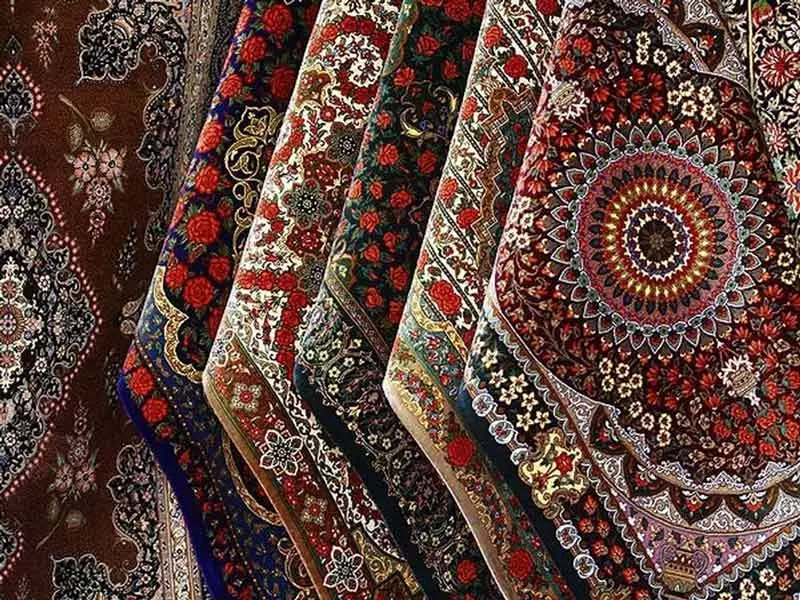
Iranian hand-woven carpet is one of the functional arts, or rather multi-dimensional, which has benefited from phenomena such as symbolism and mythology in its various functions. From the point of view of art researchers, the patterns woven in the text of the carpet are not just colorful patterns to fill an empty space, but each line and color in each twist and turn is a symbol of the meanings and concepts of the Eastern worldview, especially in Iran.

In fact, the real role of the symbol is that the human being, or rather, the artist, uses it to reach the true meaning of a phenomenon in a symbolic and internal way, and the best way is to create a symbol. In all the arts of ancient Iran, we find countless symbols and signs, each symbol of a phenomenon and related to creation, life, death, fertility, drought, rainfall, etc. are. These symbols have been fixed in the minds of Iranians over time.

But the symbols in Iranian carpets are divided into 3 formats:

- Vegetal motifs such as plants, trees and flowers

- Animal motifs

- Geometric patterns

The role of trees in handwovens

The world of plants is a whole world where life is always flowing and renewable. In the ideal world of Iranians, plants and trees are the absolute meaning of life because of the greenery and vitality they give to humans, and of course, they also have a sacred aspect. In the meantime, the tree is of special importance because it is the embodiment of growth and life, and continuous birth and reproduction.

One of the mysteries of the tree is the world itself. Cooper, American archeologist and paleontologist, considers the tree to be a combination of sky, earth, water, and life in opposition to stone. Of course, we must say that the symbol of the tree is one of the oldest motifs that has attracted the attention of mankind and has used it in his works of art. Proximity to mountains, forests, plains and valleys are reasons for this. The pattern of trees such as cypress, plantain, pine and oak has always been one of the most common motifs in Iranian handwoven carpets.

- Cedar role

Cedar has a very high position among Iranians. Due to its eternal greenness, this tree has a deep root in the beliefs of us Iranians, and its ritual concept is a sign of immortality and the resurrection. This tree was considered the tree of life during the Achaemenid and Sassanid eras. In the past, the cedar tree was considered the soul and religious life of Iranians, and its role has been discovered in different regions of the country, such as the eastern stairs of the Apadana Palace in Persepolis with extremely precise and delicate carvings.

- The role of the plant

After the arrival of Islam in Iran and due to the limitations that occurred during the creation of works of art, such as carvings on carpets, Iranian artists presented paintings with a creative and abstract change, a religious structure and format, and an Islamic flavor.

Mohd Ali Eslami Nadushan believes that the role of the bush is the diagram of a cedar tree. Dehkhoda also stated in this regard that the cypress coat is the emblem of Iran and Iranians and can be seen on carpets, fabrics, inlays and other ornaments of Iranian handicrafts.

- The symbol of the Iranian garden

The Iranian garden is a valuable heritage of Iranian culture and art in terms of its shape and geometry and the transcendental wisdom in its design. It has its roots in the ancient spiritual and mythological culture of Iran. The Iranian garden is a way to the innermost layers of thought and imagination, an interpretation of the meaning of life, the end of man, eternity and eternity, heaven and life, and the earthly manifestations of the realm of the kingdom according to Iranians.

The Iranian garden, which is enclosed in a wall, separates the wild, indifferent and even hostile nature from the orderly nature and from the nature filled with beauty and grace by human hands.

- Naqsh Bagh Irani (Chaharbagh)

The mystical relationship of Iranians with the water of trees and flowers shows well that the Iranian garden is a sacred environment because it is a relationship between an exemplary garden and an earthly garden. Therefore, the archetype of the Iranian garden is always the source of all the past arts of Iran, as well as carpet weaving in the Islamic centuries. The carpet and the garden have pleasant similarities. The design of the garden map goes back to the role of the Baharestan carpet in the Sasanian era. This Minoan garden is symbolic of the image of the promised paradise of Iranians in the carpet.

Animal motifs

The use of animal motifs as a ritual symbol, myth, and decoration in Iran has a very ancient history and reaches back to millennia BC. Patterns, each of which later evokes the collective memories of Iranians as visual elements of the national identity.

The use of animal motifs in carpets has been common since at least the Achaemenid period. Animal motifs such as lion (the national symbol of Iranians), fish (called Mahi Darhem or Herati) and bird motifs such as Simorgh, peacock, etc. These colorful and beautiful creatures are common, diverse and famous carpet motifs, they give the carpet a special appeal and remind the viewer of life, effort and liveliness.

The scientist and researcher of Farsh believes that "among the societies and clans, birds and animals are each a symbol and a symbol of beliefs and an embodiment of imaginations." In carpets, like other fine arts such as painting, tiling, and penmanship, birds are a sign of beauty, freedom, and pride.

By drawing and weaving the shape of a bird, the carpet consciously or unconsciously writes the thoughts of the heart and inner desires and beliefs on this handwoven. From the carvings of simorgh and eagle, ambition and sharp talons, alertness from Hudod, crowing partridge, and peacock, this well-combined bird inspires the appearance and beauty of the people around it.

The history of using animal characters and images in art and its types is longer than human motifs. Iranian arts and especially hand-woven nomadic carpets have always been a suitable place for the presence of domestic and wild animals. Animals such as lion, eagle, cow, horse, fish, etc., which have a symbolic aspect and refer to the collective identity and memories of Iranians, are more than other animals in handwoven carpets.

Lion pattern (the national symbol of Iranians) in a hand-woven carpet

One of the symbols that has been very prominent in the culture and art of Iran and is referred to as an Iranian symbol is the "Lion" figure. Since the lion is the national symbol of Iranians, compared to other animals, it has found a greater presence in the field of carpets. The proof of this claim is the lion's character in an abstract and lonely form, which is woven in Persian and Bakhtiari lion carpets. This shows the special interest of weaving artists towards this symbolic animal.

This animal was considered as an indicator of the fertility of the earth in the ethnic and mythological beliefs of Iran. The lion's head is a sign of care and vigilance, and his rear body is a manifestation of power. The meanings of the lion symbol include fire, majesty, piety, sunshine, victory, summer, bravery, spirit of life, kingdom, courage, power and divine power, heat of the sun, care, superhuman and subhuman strength.

The role of the lion, which has long been repeated as a symbol of dominance and leadership in many types of Iranian artists' creations and has reached today through the power of imagination and innovation of carpet weaving artists and weavers, has been placed on the carpet text (Tanavali, 19:1537). In the art of the Islamic period, from the end of the Seljuk period, the lion and the sun were formed as Shia symbols, and the sun was an interpretation of the Prophet of Islam (pbuh) and the lion was a symbol of Hazrat Ali (pbuh).

The Shirke pattern was the first pattern in the Achaemenid period, and it was obtained from the Pazyrik carpet and it was obtained in the form of a row. In this picture of lions, the lion is a symbol of earthly power and the sun is a symbol of heavenly power, which in combination expresses the power that comes from the sky for people.

The role of fish

One of the other Iranian symbols related to national identity that can be found in the patterns of national art is the role of "fish". This motif has been present in different cultures as a symbolic role since ancient times. The presence of fish in carpet weaving is known as the pattern of "fish in each other" or "Herati design". Fish has been present as a symbol in Iranian art and civilization such as Elamite and Achaemenid art and civilization. The fish motif is one of the most delicate and beautiful motifs. In the role of fish, two or four fish go around a pond.

In Iranian symbology, a fish represents life, and therefore, along with Haft Sin, Nowruz is the beginning of the new life of nature. "Fish was a symbol of purity, purity of soul (due to constant connection with water), fertility and fertility, and was considered as a guard for the palaces of kings." (Nistani, 2007: 81)

The components of the fish image are derived from the religion of love. The fish-shaped leaves were the same two fish that took the seal out of the water, and the round flower is the lotus flower on which the seal was placed. The basis and origin of it are two or four leaves of Iranian handwoven carpet motifs, curved elements, etc., which cover a large flower.

- Patterns of birds

One of the Iranian chickens that has always had a clear presence in the culture, art, literature and mythology of Iran is the legendary Simorgh, which is especially visible in carpets with animal and hunting grounds and Shahnameh themes. This symbolic Iranian chicken, which has prominent traits and characteristics in the collective memory of Iranians, also had a special place in the mind of the weaver artist.

Simorgh is a mysterious and mythological bird and is considered the first and most famous bird in Iranian mythology" (Shaygan, 1373:321.) From the symbolic point of view, Simorgh means "desire, fire, freedom, belief, authority, divinity, inspiration, empire It is tolerance, recklessness, chastity and piety, victory, tolerance and..." (Vaheddoost, 1999: 309.) In Ferdowsi's Shahnameh, Simorgh is a mythical and legendary wise bird, and it also has Yazidi and mystical dimensions.

- The role of the peacock

Another Iranian bird, which is considered a manifestation of Iranian culture and art, is the peacock. A bird that is also known as the bird of paradise. "The role of the peacock often has religious connotations, and it was not only used as a religious symbol in the works of art of the Islamic period, but it was also considered as a sacred bird in ancient times and in Zoroastrianism" (Golf, 131:131, 1986).

In Zoroastrian religion, this role is a symbol of Anahita chicken (Venus, god of water) and has the concept of immortality, and in some cultures, it expresses the concept of pride. The role of this magnificent and beautiful bird is abundantly depicted in Sassanid fabrics and sometimes it is created as a combination of peacock, dragon and simorgh on the fabric.

Today's carpet weaving depicts the pattern of the peacock on the width of the carpet; Because he knows that it is a souvenir of Iranian symbols and the wishes of his ancestors. In many works of the Sassanid period, such as the reliefs of the Bostan arch, fabrics or plaster plaques of Tisophon, the motif of the peacock can be seen in the decorations or on both sides of the tree of life.

Human motifs

Among the pictorial elements and themes of the Iranian identity, we come to the famous Iranian kings, who, due to having different characteristics from other people, their behavior has been passed down to the next generations, and the weaving artist has tried to create a moment and a memory simply along with his beauty. Draw a picture of their life on a carpet.

A carpet with the theme of Shapur II sitting on his throne and looking at armed soldiers is kept in the collection of the Iranian Carpet Museum. In the role of this rug, three soldiers armed with spears are in charge of protecting Shapur II and two servants, one of whom is holding a canopy over the king's head and the other is seen blowing him.

Patterns of ancient and historical buildings

It can be boldly said that apart from the Iranian hand-woven carpet and the art of carpet weaving, the second art that can introduce the Iranian identity and the themes and concepts of the national identity is the Iranian architectural art, which has always been used throughout the history of Iran, both in ancient times and after Islam. attention has been Perhaps it is better to say that the Iranian architectural element is the most significant component of the national identity.

In Iranian buildings, historical works and buildings such as the Persepolis, Kasri Arch, Soltanieh Dome (the largest dome in the Islamic world) and Naqsh Jahan Square in Isfahan, etc., are the buildings that introduce Iranian identity and Iranian architecture to the world.

بازدید : 4
سه شنبه 18 مهر 1402 زمان : 11:54

Carpet raw materials

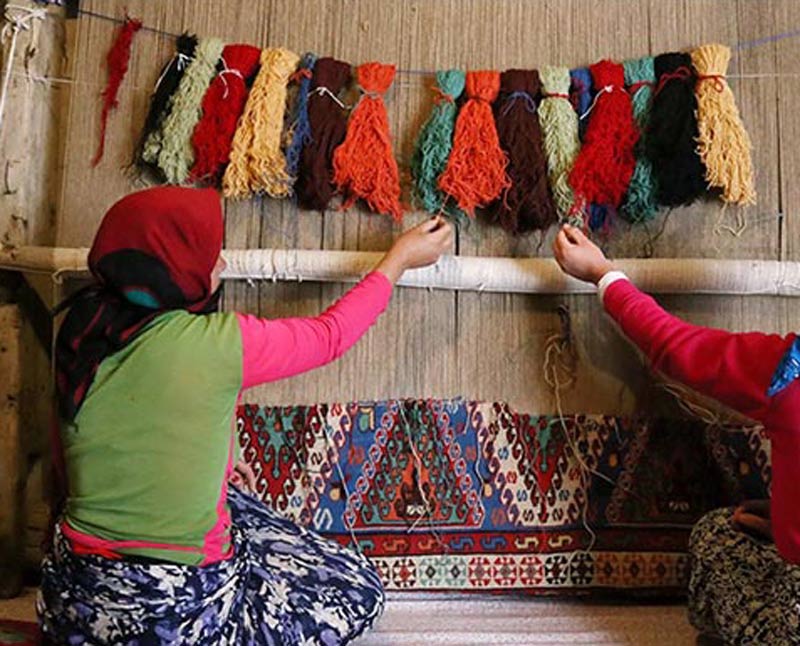
Since ancient times, this beautiful weave was woven with cream wool threads obtained from sheep's wool or goat hair, after the passage of time, cotton thread was added to the carpet texture, and today sometimes with synthetic threads such as: acrylic, chrome and aniline. It is woven. Also, the colors used in traditional types have always been natural, but nowadays chemical materials and dyes are also used.

The history of the carpet

After man was able to make clothing from animal skin, he gradually thought of using wool and skin for bedding. When humans invented wool spinning, because they are always preparing comfort items, carpet weaving was created so that humans no longer sit on the dry and cold ground.

Based on historical evidence, the history of this beautiful and valuable art reaches 2500 years before Christ; The oldest woven carpet from this era was discovered among the ancient Egyptian artifacts.

Areas of carpet texture

In addition to Iran, this hand art is produced in various countries of the Middle East such as: China, India, Pakistan, Afghanistan, Turkmenistan, etc. In our country, in addition to the tribes and nomads, there is this beautiful product in the provinces of Khorasan, Fars, Kurdistan, Baluchistan, Yazd, Azerbaijan, Kermanshah, etc.

Patterns used in the carpet

Patterns used in the carpet
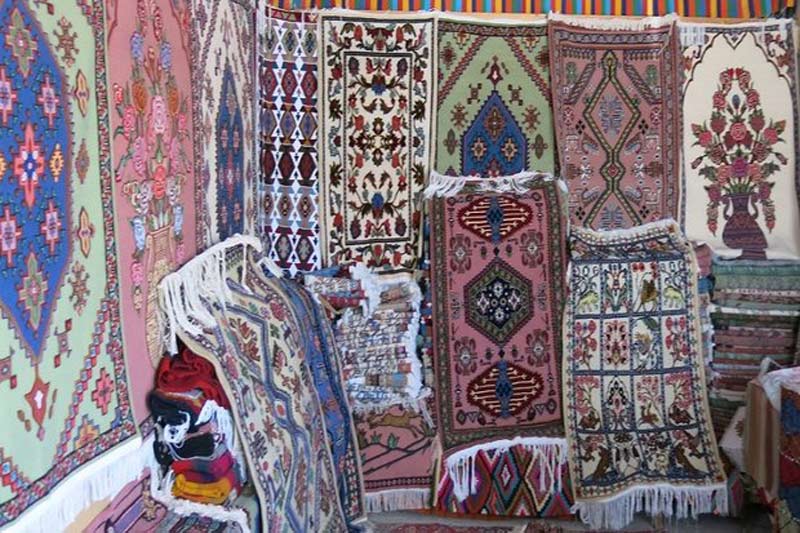
The designs used in these kinds of weaves are generally geometric patterns that have different shapes, such as: triangles, rhombuses, hexagons, and squares. Of course, many original and traditional motifs decorate the face of Iranian rugs, which sometimes take the shape of animals and nature, and sometimes are cashmere, flowers, and bushes. The different designs used in these arts depend on the type and region in which they are woven.

Carpet weaving steps

Like a carpet, after it has been installed, different steps are taken to weave the rug, which you will get to know briefly below:

  • Chelekhesh: It is the first step for weaving, during which two ropes of the desired size are tied parallel to the under-bar, which is called string, and the beginning of the cotton thread is tied to the left or right end of the under-bar; Then the ball of cotton thread is passed behind the first string and in front of the second string, and it is taken from the top of the string to the back and taken out from the lower part of the string.
  • Closing Koji wood: It is a cylindrical wood whose diameter is usually 4 cm and the width is the size of the device.
  • Fixing the chelas: because during weaving they hit the work for more density and compression of the wefts, the chelas must be fixed so that they do not move and the shape of the rug does not get messed up; For this purpose, they usually apply a little glue on the buckets.
  • Chain weaving: This work is usually done before weaving, to speed up the weaving.

Iranian carpet weaving methods

Two methods are defined for Iranian carpet weaving:

  • Wefting method: In this method, only weft thread and warp thread or chele are used for weaving, in this way, colored weft threads are passed from the bottom and top of the warp threads, and with the change of the weft color, different patterns appear on the work. In this way, it becomes smooth and uniform on top and bottom.
  • Twisted weft method: In this method, artists use another thin weft in addition to the warp and weft threads to weave the rug, in such a way that the wefts pass through the middle of the threads by twisting them, and then the thin weft passes through them and that They beat it with a comb and make it uniform. This method, which is similar to carpet weaving, is considered to be the connection point between carpet weaving and the emergence of the art of carpet weaving.

Types of carpets in terms of texture

In general, in different regions, rugs have three texture models:

  • Simple weaving: these models have one side and are not woven from a predetermined plan, the role of these rugs is generally geometric, and in their weaving, the wefts are passed one by one through the middle of the threads.
  • Embossed pattern: In this type of fabric, the background is simple and its designs are placed on it in an embossed or tufted form; These designs are knitted from the carpet map on the threads of the carpet, and in the final stage, the additional piles are arranged.
  • Verni:
  • The texture of this model is without piles and it does not have more than one side. The production of this rug is done without a plan and mentally by artists. This product originally belongs to Azerbaijan, but it is also woven in Kurdistan and Kerman with different designs, and the best Verni is woven by Il Shahson in Iran, which has a long history among them.

All kinds of rugs

Each of the nomads and tribes in different regions of Iran has its own carpet; In the following, you will get to know the types of these products that are produced by different Iranian tribes.

  • Shahsuni:

One of the famous Iranian clans is Shahson, whose most important rugs are very delicate and known as Sumak, and in the local dialect, it is also called Verni. The designs of these types of handwovens are mostly animal motifs such as deer, horses and birds and are decorated with geometrical shapes, they are produced with rough and dry wool and the variety of their role is so much that it is rare to find two works woven by this family. also found

It should be noted that the best traditional horse saddles in our country are produced by the carpet weaving method and by Shahson tribe.

  • Larry:

Lor people in Iran produce very high quality rugs, among which large rugs for keeping household items are considered their best product, and they strengthen its edge with a method known as carpet weaving. These handwovens are known for their geometric and animal motifs specific to these regions and their colors are usually green, black, blue and white.

  • Fifth:

This type of carpet belongs to the five tribes of Shirazi, and the name Khamsa refers to the intermingling of these five tribes in this province. Among them, two tribes speak Arabic, two tribes speak Turkish, and one of them, which is known as Basri, speaks Persian.

Their braids are sumac, which is known as ten willow; The design of these products mostly has a dark background on which stars are woven diagonally and in the form of tangled rhombuses.

All kinds of rugs

  • Balochi:

The design and color of these weaves are derived from the climatic conditions of the Baloch people. The patterns of these rugs are striped and different designs and colors are used in each row. The handwoven fabrics of these tribes use dark colors such as: liver, dark blue, camel and brown, and of course bright colors such as: green, red and yellow are also considered as their characteristics.

  • Hersin:

This area in Kermanshah province is one of the most important carpet weaving centers in Iran; Perhaps the most important feature of this type of carpet is that the artist weaves it with the help of his taste and according to the environmental conditions. The border designs and their background are small and colorful in such a way that you cannot find an empty space between the characters.

The artists of this region use goat's wool on the edge of this rug because it is resistant to willow, and navy blue, green, white, red, and magenta colors are usually used in its texture.

  • Qashqai:

The diversity of designs and colors of the weaves of this tribe is known because they are woven either in the Atrak place or when migrating and the abundance of natural landscapes around the artist created this diversity. The main role of this rug is geometric and animal designs, such as: eight-pointed star, octagon and images of goat, peacock and deer.

  • Age:

This product, which is specific to Sanandaj, is produced very delicately and with high quality, and most of its designs are called Herati motifs with bushy designs and diagonal lines. The Sane rug has a very beautiful and famous design, in which there is a tranji pattern in the middle, and the background is colorful, and a delicate bush design is also visible in it.

  • Turkmen:

The most important feature is its color, among which bright red plays the main role; In this strong and light rug, the designs are grouped according to a main pattern called flowers and they are woven in six and eight-sided patterns. In the Turkmen model, each flower represents a family.

  • Genius:

This type of carpet has a small and grooved texture and is long and durable; These braids are produced in Saveh, Zarand and Qazvin villages.

  • Afshari:

This design has a natural or garlic color background with many stars printed on it; In the Afshar rug, star flowers are seen in the form of intertwined rhombuses, which are placed diagonally next to each other.

بازدید : 15
چهارشنبه 12 مهر 1402 زمان : 12:38

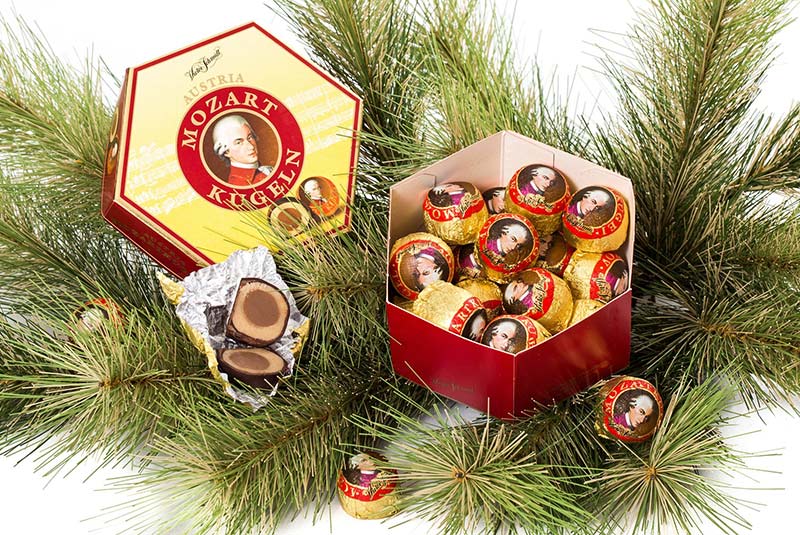
۱. شکلات موتزارت کوگه

یکی از معروف ترین سوغات اروپا از اتریش را می‌توان شکلات «موتزارت‌ کوگه» (Mozartkugeln) معرفی کرد. نمی‌دانیم آهنگساز شهیر در مورد این گلوله‌های شکلاتی معروف شده به نام او چه نظری ممکن بود داشته باشد، اما مطمئن باشید دوستان شما از دیدن این سوغاتی خوشحال خواهند شد. شکلات موتزارت‌کوگه در کاغذهای فویلی پیچیده شده که روی آن عکس این هنرمند نامدار قرار دارد. رنگ قرمز را نشانه‌ی شکلات شیری و آبی را نشانه‌ی شکلات تلخ بدانید. موتزارت‌کوگه از مغز متداول شکلات‌های اتریشی یعنی مارزیپان پر شده و می‌توانید آن را در سوپرمارکت‌های خوب اتریش بیابید. همچنین یک کافه در سالزبورگ، موطن موتزارت و جایی که این شکلات در آن ابداع شد، منحصراً به موتزارت‌کوگه اختصاص یافته است.

سوغات اتریش

مطالب مرتبط

رستوران های گیاهی و ارگانیک در شهر وینغذاهای خیابانی وین را کشف کنید

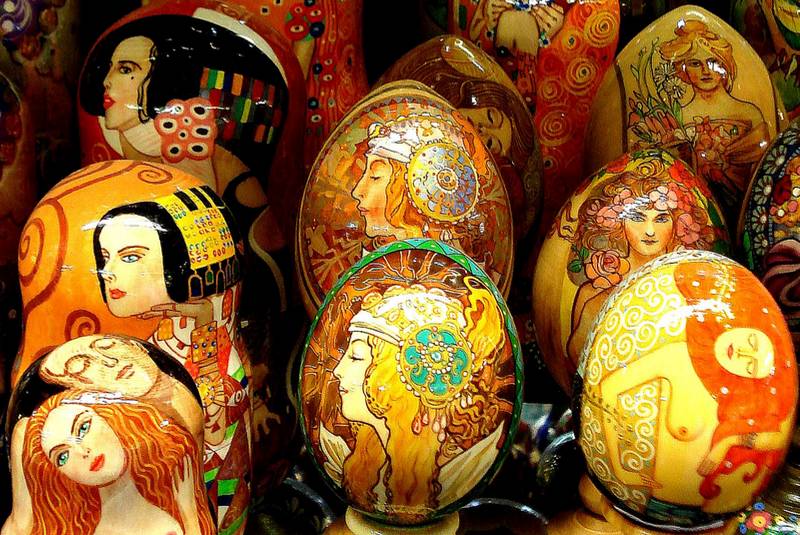
۲. اشیا با نقاشی‌ های کلیمت

«گوستاو کلیمت» (Gustav Klimt)، نقاش نمادگرای اتریشی، مایه‌ی افتخار این کشور در دنیای فرهنگ به شمار می‌آید. مشهورترین اثر او به نام «بوسه» (The Kiss) را که در دوران موسوم به «دوره طلایی» (Golden Period) خود کار کرد، بر روی اشیای مختلفی مانند تی‌شرت، ماگ، چتر، دمپایی می‌بینید. «مگااستور کلیمت» (Klimt Megastore) در شهر وین انبوهی از پوسترها و اشیای مناسب سوغاتی با آثار کلیمت را به شما عرضه می‌کند.

سوغات اتریش

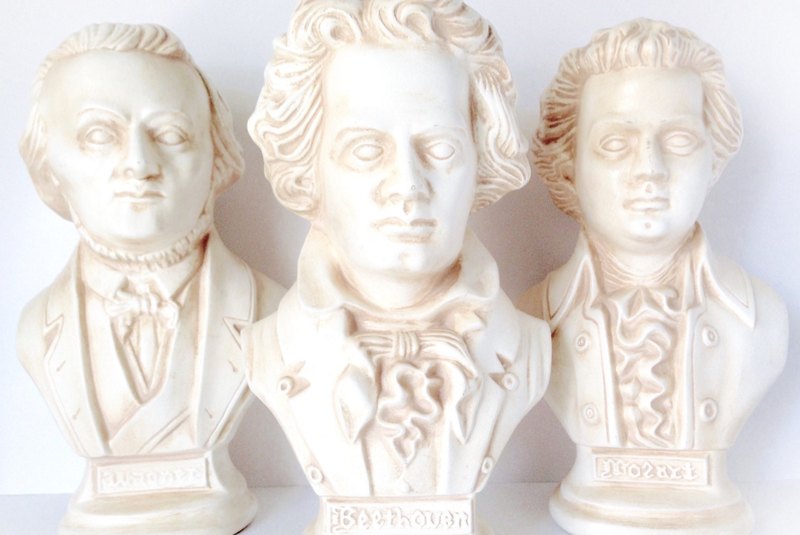
۳. سردیس آهنگسازان نامدار

سوغاتی‌های مرتبط با بتهوون، اشتراوس، موتزارت و شوبرت را به وفور در وین خواهید یافت. یکی از سوغاتی‌های مناسب از این دسته را می‌توان سردیس این هنرمندان نامدار معرفی کرد که بر پایه‌هایی چشمگیر نصب شده‌اند. اگر از طرفداران پروپاقرص آهنگساران قرن نوزدهم هستید، به «خانه پاسکالاتی بتهوون» (Beethoven Pasqualati House) سر بزنید که در زمان حیات به مدت هشت سال در آن‌جا زندگی کرد و سمفونی‌های معروف پنجم و ششم خودش را همان‌جا نوشت. علاوه بر بازدید، می‌توانید اشیای سوغاتی مرتبط با بتهوون را هم خریداری کنید.

سوغات اتریش

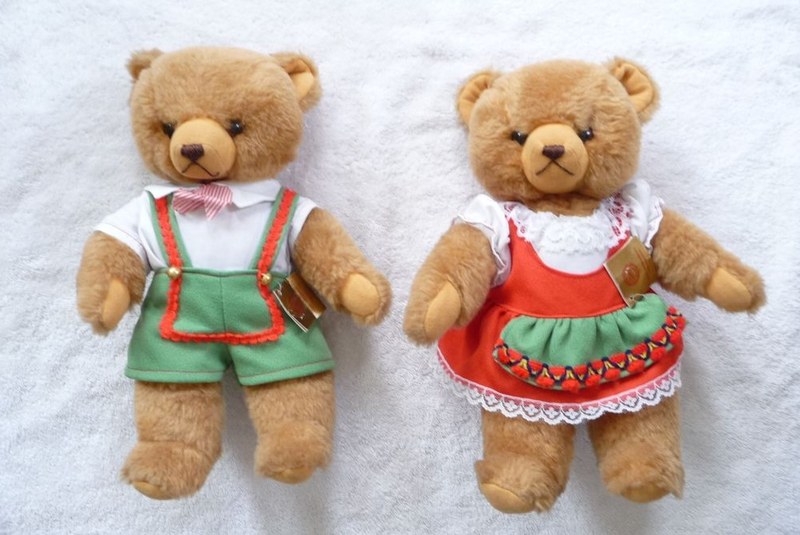
۴. عروسک خرسی با لباس سنتی اتریش

یکی از لذت بخش ترین کارها در سفر خرید صنایع دستی آن منطقه است . زیرا یک یادگاری بینظیر از آن منطقه می شود. در اتریش می‌توانید عروسک‌های حیوانات بامزه‌ای را بیابید که لباس سنتی «لیدرهوزن» (Lederhosen) یا «دریندل» (Dirndl) را بر تن دارند. در بین این عروسک‌ها، خرس محبوب‌ترین و معمول‌ترین آن‌ها شناخته می‌شود. این لباس سنتی یا «تراخت» (Tracht) از شلوار چرمی برای مردان و شکم‌بندی پرنقش برای زنان تشکیل می‌شود و از نواحی کوه‌های آلپ اتریش سرچشمه می‌گیرد. اگر دوست داشتید یک سوغاتی کاملاً اصیل‌ از مردم اتریش انتخاب کنید می‌توانید یک دست از این لباس که برای کودکان و بزرگسالان موجود است، برای خودتان یا اطرافیانتان بخرید.

سوغات اتریش

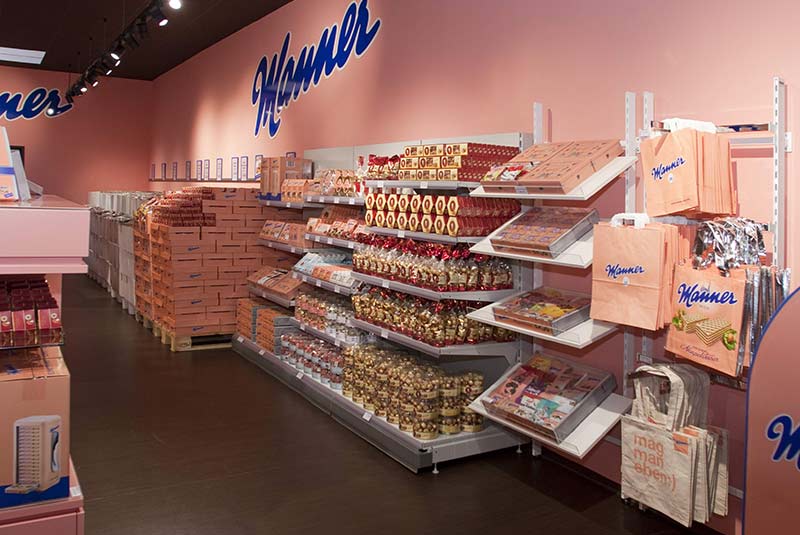
۵. ویفر منر

ویفر «منر» (Manner) با بسته‌بندی اشتها برانگیز به رنگ صورتی خامه‌ای، از دیگر شیرینی‌جات محبوب و پرطرفدار اتریش محسوب می‌شود. ویفر فندقی خوشمزه ناپلی را در لحظات زندگی روزمره مردم همچون نمادی آشکار می‌بینید. دستور تهیه‌ی کرم فندقی، شکلات و ویفر از زمان ابداع آن در سال ۱۸۹۸ توسط «یوزف منر» (Josef Manner) دست نخورده باقی مانده است. البته این محصول امروز تنوع بیشتری پیدا کرده و می‌توانید از سوپرمارکت‌ها یا فروشگاه اختصاصی منر در وین آن‌ها را خریداری کنید.

سوغات اتریش

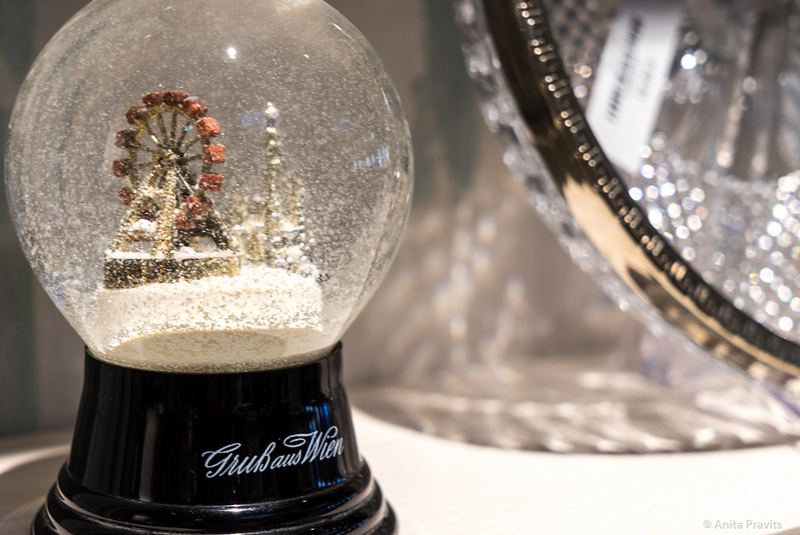
۶. گوی برفی کریستال

گوی برفی فریبنده که امروزه در سوغات فروشی‌های سراسر جهان به چشم می‌خورد، اولین بار در اتریش و به دست صنعت‌گر ابزار به نام «پرزی اول» (Perzy I) در سال ۱۹۰۰ ساخته شد. او وقتی در تلاش بود تا روشنایی لامپ الکتریکی که به تازگی اختراع شده بود را افزایش دهد، به این ایده دست پیدا کرد. اگر می‌خواهید مجموعه‌ای شگفت‌انگیز از این گوی‌های برفی را ببینید به موزه‌ی گوی برفی در وین بروید تا ضمن کسب اطلاعات بیشتر در این خصوص، از بین ۳۵۰ طرح مختلف آن سوغاتی انتخاب کنید. حتی می‌توانید گوی‌هایی را انتخاب کنید که درون آن‌ها برخی از بناهای تاریخی مهم اتریش مانند کلیسای جامع سنت استفان، خانه اپرای وین و چرخ و فلک غول پیکر پارک پراتر جاسازی شده است.

سوغات اتریش

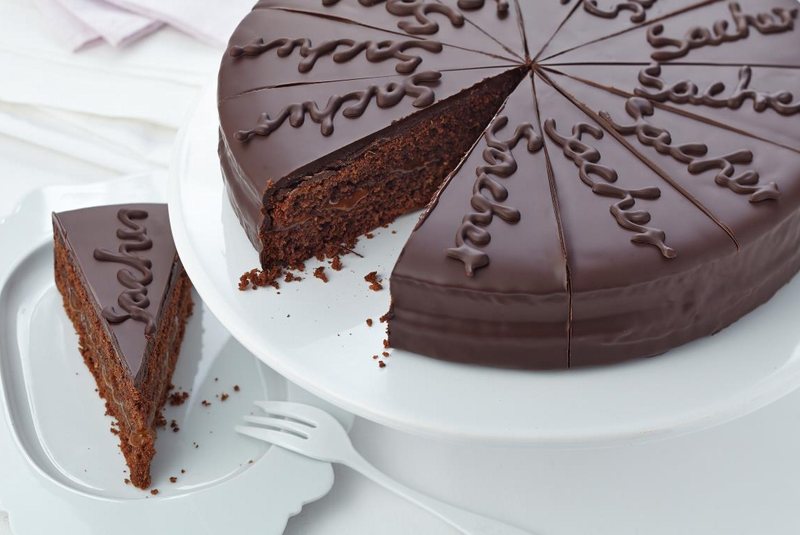
۷. ساخرتورته

«ساخرتورته» (Sachertorte) شیرینی دلپذیری است که به عنوان سوغاتی چندان قابل حمل به نظر نمی‌رسد؛ اما اگر آن را امتحان کردید و لذت بردید می‌توانید اشیایی مانند دستمال آشپزخانه که عکس ساخرتورته روی آن نقش بسته را بخرید و این یادگاری را برای خودتان همراه ببرید. به یاد داشته باشید در «هتل ساخر» (Sacher Hotel) می‌توانید اشیایی متنوع از این کیک بیابید.

سوغات اتریش

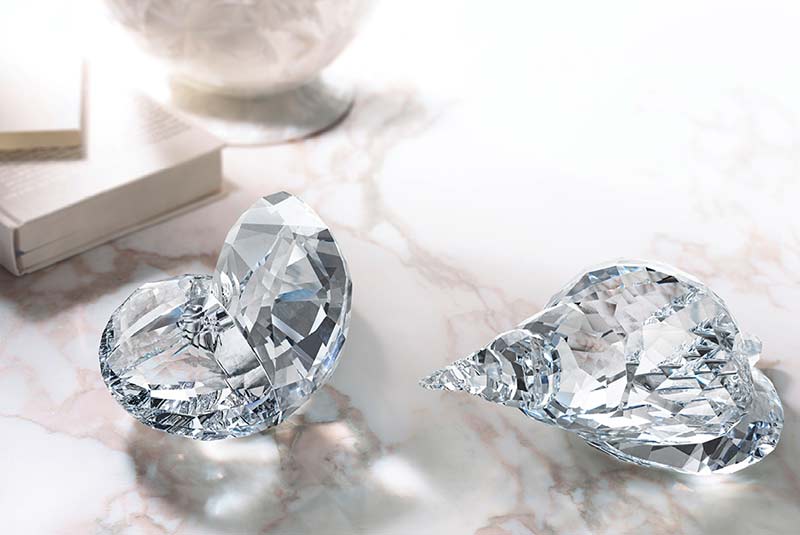
۸. کریستال سواروسکی

بسیاری از گردشگران به «کریستال سواروسکی» (Swarovski Crystal) که توسط یکی از ثروتمندترین خانواده‌های اتریش تولید می‌شود، علاقمند هستند. در نتیجه در مناطق گردشگری اتریش معمولاً جواهری‌ها و بوتیک‌های متعددی وجود دارند که این محصولات را به فروش می‌رسانند. یکی از بهترین فروشگاه‌های آن را در «تیرول» (Tyrol) ضمن گشت و گذار در موزه بزرگ «دنیای کریستال سواروسکی» (Swarovski Crystal) خواهید یافت.

سوغات اتریش

۹. کریپن

یکی از رسومات خوب کریسمس استفاده از اشیای تزئینی است که باورهای این منطقه‌ی آلپ را نمایان می‌کند. مثلاً «کریپن» (Krippen) منظره‌ی نمایش تولد مسیح به سبک اتریشی بوده که به شکل یک مزرعه‌ی آلپی همراه با پیکره‌های چوبی دست‌ساز ساخته می‌شود. اشیای تزئینی درخت کریسمس به سبک سنتی هم از سوغاتی‌های مناسب دیگر به شمار می‌آیند.

بازدید : 11
دوشنبه 10 مهر 1402 زمان : 17:20

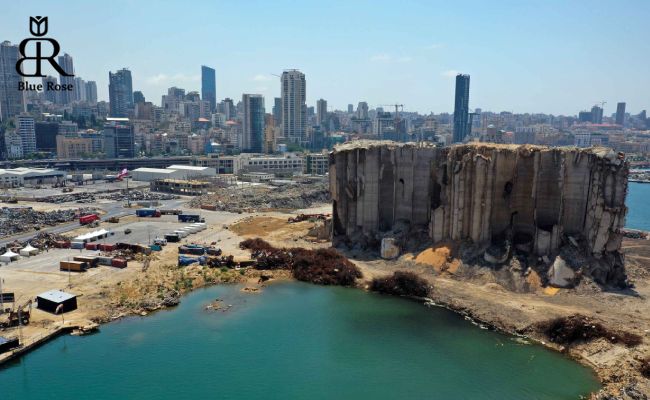
If you are planning to visit Lebanon soon, you will know that this country is a mixture of several different cultures and histories. This small Mediterranean country with ancient, Roman, Ottoman and French influences is full of gems to take home as souvenirs of Lebanon.

Beirut souvenirs

Here are some unique Lebanese souvenirs that you should add to your souvenir list.

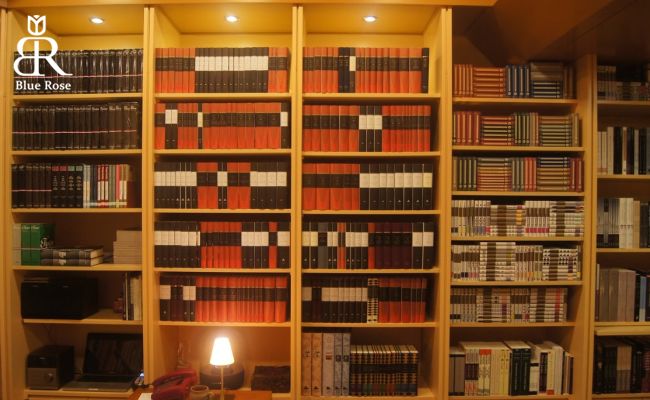
The book, the best souvenir from Lebanon

In this small country, the number of intellectuals and writers is truly amazing. It seems that every two years a citizen or resident of Lebanon with a publication? It is known to be unique (and often controversial). The history of war and social conflicts of this country has created interesting stories to tell. From Gibran Khalil Gibran to Ravi Hij, there are many writers and poets in Lebanon whose books are worth reading.

The best souvenirs of Lebanon

  • Sarah Baggs, the original brand of handbags

Sara Bags is a fast growing brand that produces authentic Lebanese handbags. Sarah Beggs, founded in 2000 by Sarah Beedon, makes a statement. Often funny comments about the reality of life as a Lebanese local! These are great souvenirs to bring home from your trip to Lebanon. If you are looking to complete your wardrobe, this brand is for you.

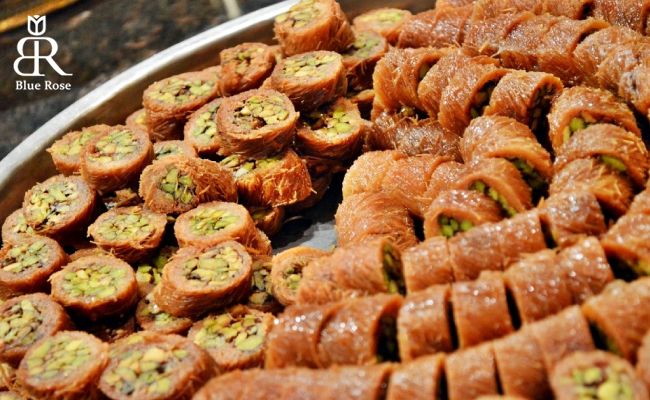
  • Sweets, delicious souvenirs from Lebanon

Undoubtedly, one of the best souvenirs of Lebanon that can be taken home are Lebanese sweets. Lebanese sweets are very diverse and at the same time, they are so delicious that you will fall in love with them; Especially us Iranians, whose taste is somewhat similar to the Lebanese. So, another one of the best souvenirs of Lebanon is a sweet, which can be said to be the most delicious and attractive of Kunfeh, Qataif and Balqwa.

Souvenirs of Lebanon

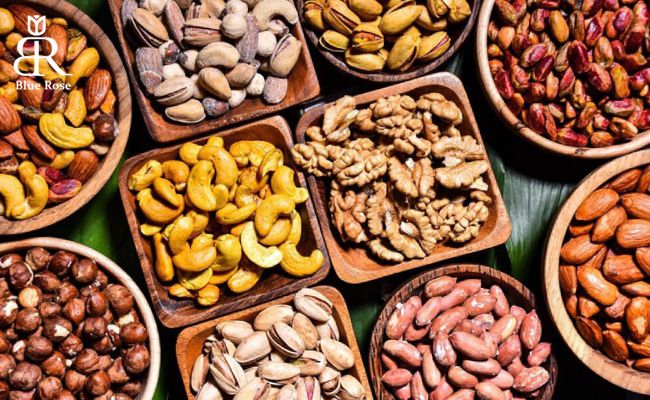
  • Roasted nuts, a memorable taste from Beirut

Beirut, the bride of the Middle East, is a small city rich in different cultures. Beirut's attractions are countless. Undoubtedly, there are food and delicious souvenirs in every country. Lebanon is not an exception to this rule and on the ground? Delicious and high-quality nuts have a lot to say. Lebanese nuts are delicious and famous because the Lebanese roast them in a special style. For this reason, it has a wonderful taste and many fans. There are different types of nuts; Pistachios, almonds, cashews and... If you decide to buy, can you buy these delicious souvenirs? Find Lebanon in different packaging from shops around the city as well as at airports.

Souvenirs of Lebanon

  • Coffee Roasted Turkey

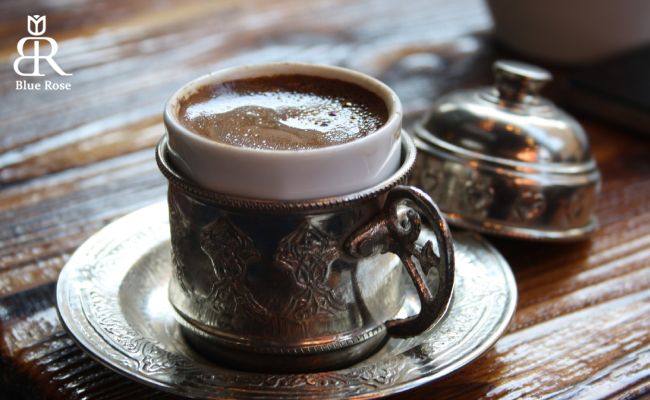
Turkish coffee makers are usually found in old markets such as Tripoli. Silver jewelry and coffee accessories? Turks are one of the most Lebanese items you can take home. When you travel there, you will soon realize that the locals coffee? They like their tartness and many people drink it several times throughout the day.

Lebanese souvenirs

  • Clothing and handicrafts, colorful and original souvenirs

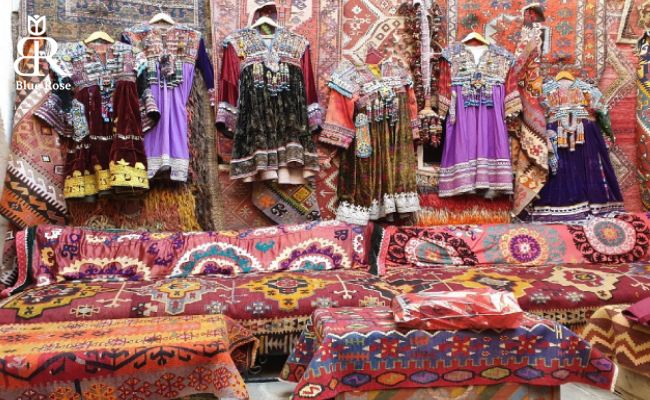
Like any other Arab country, Lebanon is full of shops selling the country's traditional clothing, including beautiful kaftans. If you are looking for an original dress as a wedding guest or if you love Lebanese culture, you must choose one of the oriental shops and buy your favorite dress. Buy yours. On Earth? Clothing, Lebanon has a special and beautiful tradition. If you want to remember your travel memories forever, don't forget to try and buy Lebanese traditional clothes and handicrafts .

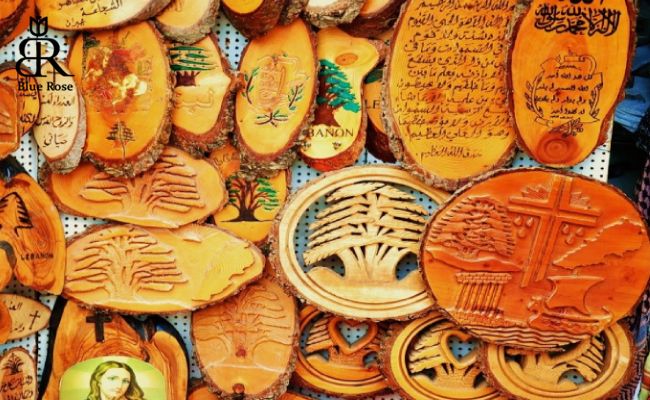
چوب‌­های حکاکی‌­شده

If you are among the people who love to give special and unique gifts to your loved ones, don't miss this beautiful Lebanese souvenir. Carved wood with art and taste? The Lebanese will surely surprise you. Take a piece of the magic of the forest with you and even personalize it with your name or that of a loved one.

  • زیور­آلات

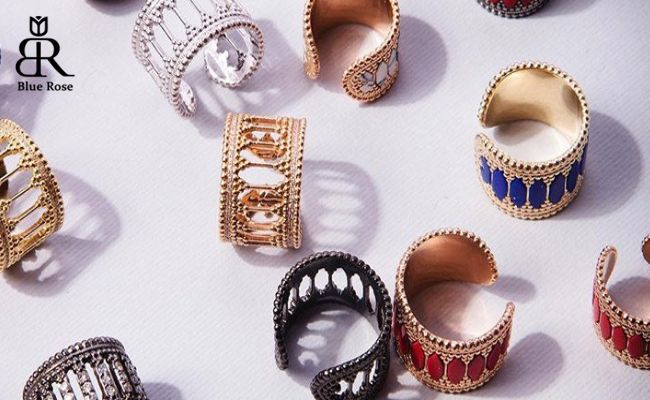
Is one of the products recognized? Lebanon has special jewels and delicate and beautiful gold that you can see in few places. If you like expensive souvenirs, never miss buying jewelry.

Lebanese products

Handicrafts of Lebanon

Lebanon has a rich history dating back to the land's ancestors, the Phoenicians, who were exceptional innovators, artists and traders throughout the Mediterranean. From the Phoenician civilization to the foreign empires that dominated the land of Lebanon, there are remnants of craftsmanship throughout the country that are still remarkable. Most importantly, there are those that have been passed down from generation to generation, keeping alive Lebanon's artistic heritage and producing fascinating handicrafts.

Here are the most notable ones:

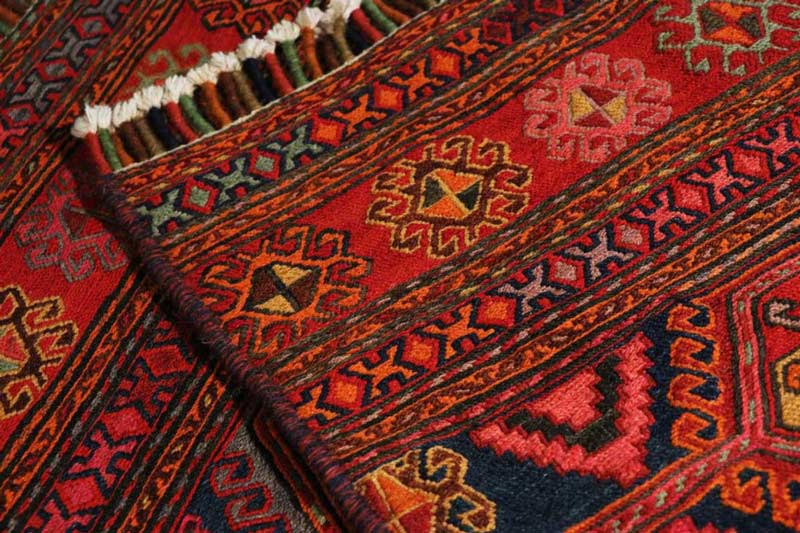
  • Carpet weaving, an attractive and lasting art

Carpet weaving is a fascinating art that uses wool or silk or a combination of both to create stunning rugs that warm and decorate homes and last for years. This ancient industry is still alive in Lebanon; Especially in the door? Bekaa, where many skilled women weave carpets and rugs by hand, using old and learned tools.

Lebanese handicrafts

  • Art silver cutlery and dishes

For centuries, the people of Lebanon have been making cutlery and silverware that is timeless in its beauty and elegance. These handicrafts can be seen in many parts of Lebanon, especially in Jezin from the 18th century.

kilim bag

  • The art of hand glasses

Glass making and glass blowing is one of Lebanon's ancient handicrafts that has been kept alive since the Phoenician era. Today, this industry is mostly seen in southern Lebanon and there are very few artisans left.

Souvenirs of Beirut, Lebanon

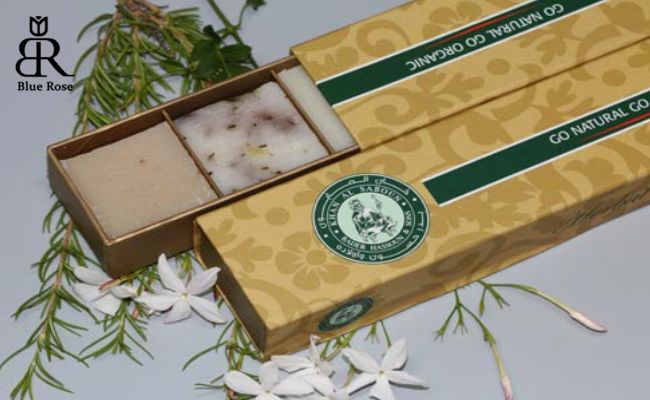
  • Making natural soap

Tripoli was one of the first cities in Lebanon to start making soap. This work has an intensive and at the same time very beautiful process. Traditional soaps are made from olive oil. Today, you can find traditional soaps with other ingredients and fragrances in many villages in Lebanon, as well as in the Khanal soap market in Tripoli.

Beirut city souvenirs

  • Marzipan cooking art

Marzipan is a traditional Lebanese dessert that is made from almond paste and is traditionally shaped like a flower.

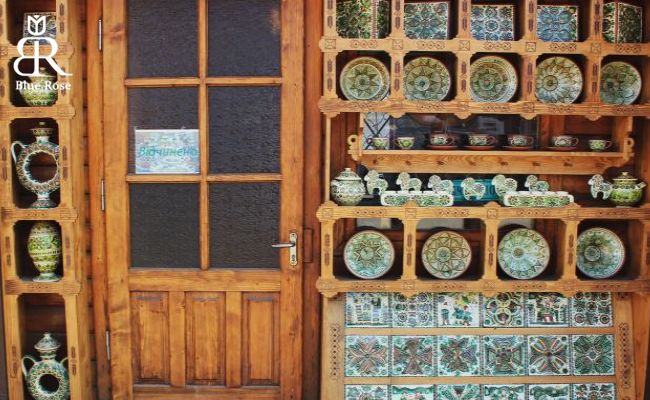
  • pottery

The pottery industry in Lebanon dates back to the time of the Phoenician civilization, when olive oil was stored in tall clay jars. Handicrafts include the production of plates, cups? There was water, coffee cups, etc.

Introducing the best Lebanese souvenirs

The art of pottery is still alive in Lebanon and can be found in many villages such as Beit Chebab, Rachaya, etc.

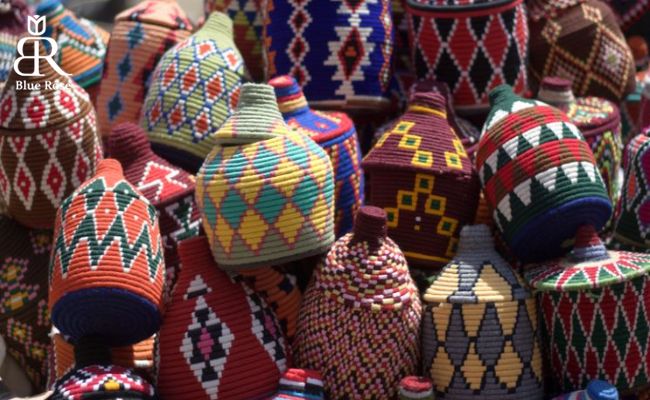
  • The art of basket weaving

Basket weaving is a very old craft that uses palm leaves to weave baskets. This art started centuries ago in the villages of Lebanon to harvest fruits and vegetables and many other uses at home. It is worth noting that today these natural handmade baskets have largely been replaced in our homes by commercial baskets made of processed metal and plastic. Meanwhile, traditional Lebanese baskets are healthier to use. You can still find basket weaving in the nearby areas of Jbeil and Amchit, as well as in Tripoli.

All kinds of souvenirs of Lebanon

  • Chair weaving art

The art of palm and straw handwoven chair making is a mesmerizing yet intensive handwork. For centuries, traditional wicker chairs in various forms have been a part of Lebanese homes. This is not the case anymore. Today, we find most of them in remote areas; Because few artisans to continue? These artistic heritages remain. A factory? A small one still remains in Tripoli. This is also related to the lack of demand for this beautiful furniture; Although today, wooden and woven chairs are an expensive trend all over the world.
  • Handmade carpentry and wood carving

For thousands of years, as recorded in the Bible, Lebanon was the main source of wood for carpentry. Its cedar wood was noticed due to its high quality and resistance to decay and insects. Using Lebanese cedar wood, temples and palaces have been built around the Phoenician sea to Spain and Egypt, as well as famous Phoenician ships. The Phoenicians developed the art of carpentry inside the country and not only used cedar wood to create furniture, cups, plates and ornaments.

Getting to know the souvenirs of Lebanon

بازدید : 16
يکشنبه 9 مهر 1402 زمان : 12:58

بخش مهمی از جاذبه‌های سفر به شهرهای تاریخی و سنتی، بازدید از بازارها و خرید است. وقتی به شهری سفر می‌کنید دوست دارید چیزی را به عنوان یادگاری از آن شهر برای خود داشته باشید. صنایع دستی هر شهر می‌تواند صفحه‌ای از شناسنامه آن دیار باشد و هر زمان که به آن بنگرید یاد خاطرات سفر خود بیفتید.

هر شهر با توجه به نوع اقلیم و سبک زندگی مردم، صنایع دستی متفاوت و منحصر به خود دارد. هنرهای دستی استان یزد با توجه به پیشینه تاریخی درخشانش، قدمتی چند هزار ساله دارند.

قالی بافی

هنر فرش‌بافی در یزد
هنر فرش‌بافی در یزد

صنعت فرش‌های دست‌بافت، اصلی‌ترین صنعت دستی مردم یزد است. یزد سالانه حدود پنج متر مربع به ازای هر بافنده تولید فرش دارد. حدود ۵۰ درصد از تولیدات فرش دست‌بافت استان یزد در بازارهای خارج از ایران به فروش می‌رسند.

این فرش‌ها با نقشه‌های اصیل فرش یزد بافته می‌شوند. نقوش اصیل و معروف یزدی عبارتند از: گل و ماهی، هراتی، کرمانی و سردار جنگل.

زیلو بافی

زیلو کف‌پوشی از جنس پنبه است. برای مناطق کویری زیلو جزء کف‌پوش‌های بادوام و مناسب است. شهرستان میبد مرکز اصلی زیلوبافی در استان یزد است. تا چند سال گذشته صدها خانواده به صنعت زیلوبافی مشغول بوده‌اند. قدیمی‌ترین زیلوی میبد دارای قدمتی بسیار طولانی است. این زیلو در مسجد جامع میبد می‌باشد. قدمت زیلوبافی در میبد را به دوران پیش از اسلام نسبت داده‌اند.

تعداد بافندگان زیلو در گذشته حدود ۱۵۰۰ نفر بوده که امروزه به دلیل کاهش تقاضای بازار، این تعداد نفرات کمتر شده است. طرح‌هایی که در بافت زیلو استفاده می‌شوند بسیار زیبا و قابل توجه هستند. پرت‌توره، زلفک، رکنه دونی، بند رومی، کلید، هشت پر بزرگ و هشت پر کوچک از نقوش معروف زیلو در استان یزد می‌باشند. رنگ غالب در بافت زیلوها سفید، سبز، آبی، نارنجی و قرمز است.

نام «نفتال» که در بازار فروش قالی از آن یاد می‌شود، مخصوص زیلوهای مرغوب و درجه یک است. امروزه تولیدات زیلو بیشتر توسط مساجد و تکیه‌ها مصرف می‌شود.

زیلو در گذشته یکی از مهم‌ترین کالاهای تجاری استان یزد بوده و اکثر مواقع پس از سفارش افراد و بازرگان‌ها بافته می‌شده است.

دارایی بافی

دارایی بافی یا همان ایکات با استفاده از ابریشم طبیعی به عنوان ماده اولیه و نخ ویسکوز با رنگ‌های مختلف گرم و روشن مانند رنگ‌های سبز، زرد، نارنجی و قرمز تولید می‌شود. رنگ‌های پرحرارتی مانند بنفش، نارنجی و قرمز، حال و هوای کویری را زنده می‌کنند. پس از بافت این پارچه، به اندازه نیاز مشتری از آن برش داده می‌شود و مورد استفاده قرار می‌گیرد. دارایی بافی بیش از ۸۰۰ سال قدمت دارد و در قدیم از آن برای ساخت بقچه، رولحافی و امثال این‌ها استفاده می‌کردند. گفتنی است که واژه « ایکات »، واژه‌ای مالایی مترادف با دارایی بافی می‌باشد و به معنی پیچاندن، گره زدن و بستن است. جالب اینجا است که در صورت پاره شدن تار این پارچه، به جای گره زدن آن، از پودر پنبه و عسل برای چسباندن تار استفاده می‌کردند. لازم به ذکر است که در گذشته این پارچه جزء دارایی‌های گران قیمت به شمار می‌رفت و تنها کسانی که تمکن مالی کافی داشتند می‌توانستند این پارچه را خریداری کنند.

ترمه

ترمه از صنایع دستی یزد

ترمه پارچه زیبایی است که مصارف مختلفی در تولید دیگر صنایع دستی استان یزد دارد. تارهای این پارچه از ابریشم طبیعی می‌باشد و پودش ترکیبی از نخ، ابریشم، پشم و کرک الوان است.

ترمه در گذشته با انگشتان دست بافته می‌شده و از همین رو به انگشت باف نیز معروف بوده است. تولید ترمه هم اکنون به صورت نیمه دستی می‌باشد.

ترمه انواع گوناگونی دارد که عبارتند از: شال یزدی، شال امیری، شال رضایی، شال چارقدی، شال محرمات، شال بندی، شال اتابکی، شال راه راه و شال کشمیری.

نقوش استفاده شده در این پارچه بته جقه، گل شاه عباسی و شاخ گوزنی است.

صنعت ترمه در ایران حدود ۵۰۰ سال قدمت دارد. زرتشتیان نخستین کسانی هستند که از ترمه برای لباس مخصوص مجالس شادی استفاده می‌کردند.

چادرشب

در شهر یزد، اردکان و زارچ دست‌بافته‌هایی تولید می‌شوند که چادرشب نام دارند. چادر شب پارچه‌ای رنگارنگ است که طرح‌هایی چهارخانه دارد. جنس این پارچه از پنبه و یا ابریشم است و در دو نوع بافته می‌شود. یک نوع آن نازک است و معروف به چادرشب رختخواب پیچ است و نوع دیگرش که ضخیم‌تر می‌باشد، چادرشب صحرایی نام دارد. چادرشب صحرایی بیشتر جهت حمل محصولات کشاورزی استفاده می‌شود و طرح راه راه دارد. چادرشب‌ها بیشتر در ابعاد ۹۰ در ۹۰ تولید می‌شوند. در برخی موارد به عنوان سفره نیز می‌توان از آن‌ها استفاده کرد.

زری بافی

زری بافی که قدمتش به دوران هخامنشی باز می‌گردد، به بافت پارچه‌هایی گفته می‌شود که بسیار ظریف و گران‌بها هستند. تار این پارچه از جنس ابریشم خالص است و پودهایش ابریشم رنگی و نخ گلابتون می‌باشد. خرید صنایع دستی

در گذشته از این پارچه‌ها برای تزئین کاخ سلاطین استفاده می‌شده و جزء نفیس‌ترین منسوجات ایرانی بوده است. حدود ۲۰۰۰ سال پیش تولیدات ابریشمی ایران در بین مردم آسیا و اروپا شهرت چشمگیری داشته و بهترین پارچه‌های زری در دنیا، به دست هنرمندان ایرانی بافته می‌شده است.

شمدبافی

شمد نوعی پارچه نازک است که بیشتر در تابستان به عنوان رو انداز استفاده می‌شود. این پارچه اغلب در رنگ‌های روشن و طرح‌های ساده چهارخانه یا راه راه است. جنس آن از نخ پنبه و یا ابریشم مصنوعی است.

سفال و سرامیک

سفال از صنایع دستی یزد

اولین صنعت ساخت دست بشر از خاک، سفال بوده است. هنری که قدمتی بالغ بر ۸۰۰۰ سال دارد و از همان ابتدا تا کنون همواره مورد توجه مردم جهان قرار گرفته است.

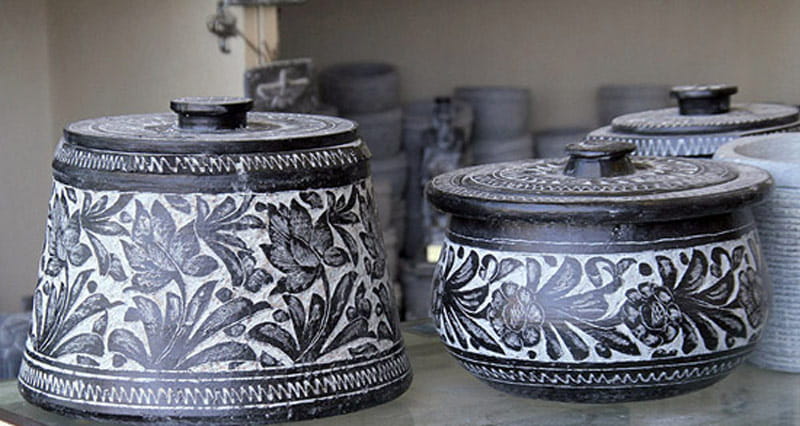
مهم‌ترین مرکز سفال و سرامیک استان یزد، شهرستان میبد است. مردم یزد به تولیدات سفالی «کواره» می‌گویند. با توجه به این که منابع گل رس در این استان به وفور یافت می‌شود، تولید ظروف سرامیکی و سفالی در تمامی دوره‌ها از رونق خاصی برخوردار بوده است . بازارهای داخلی و خارجی طالب این ظروف زیبا و سنتی هستند. گرچه نقوش روی سفال‌ها بسیار متنوع است اما نقش مرغ و ماهی و خورشید خانم از نقوش اصلی این هنر کهن می‌باشند.

گیوه بافی

گیوه بافی هنر زنان روستایی استان یزد است. گیوه نوعی پاپوش تابستانی است که دوام زیادی دارد و می‌توان با آن راهپیمایی‌های طولانی انجام داد. جنس گیوه‌ها از نخ پنبه‌ای است و پس از بافت به قسمتی به نام تخت دوخته می‌شوند.

کاشی سازی

صنعت کاشی سازی در یزد

در هنر کاشی سازی، یزدی‌ها از طرح‌های سنتی و اصیل ایرانی استفاده می‌کنند و کاشی‌هایی زیبا تولید می‌کنند که در معماری بناها جلوه‌ای ویژه دارد. قدمت این هنر در یزد به حدود ۷۰۰ سال می‌رسد. هنرمندان صنعت کاشی سازی شکل‌های مورد نظر را آماده می‌کنند و سپس طرح را روی کاشی نقاشی و لعاب و پخت انجام می‌دهند. انواع کاشی‌های یزدی عبارتند از: کاشی کمک، کاشی یزدی، کاشی شش گوش، کاشی شبکه، کاشی حاشیه، کاشی هفت رنگ، کاشی جوک و کاشی کمند.

قلم زنی

قلم زنی روی فلز
قلم زنی روی فلز

کندن نقوش مختلف بر روی اشیا فلزی مانند مس، طلا، نقره و برنج را قلم زنی می‌گویند. نقوش انتخاب شده به وسیله قلم و با ضربه چکش بر روی اشیا فلزی حک می‌شود. قلم زنی عمری چندین هزار ساله دارد و از دوران هخامنشیان ظروفی که بر روی آن‌ها قلم‌زنی انجام شده به دست آمده است. در بازارهای یزد ظروف قلم زنی شده با طرح‌ها و در اندازه‌های مختلف وجود دارد که برای مسافران از جذابیت بالایی برخوردار است.

نمدمالی

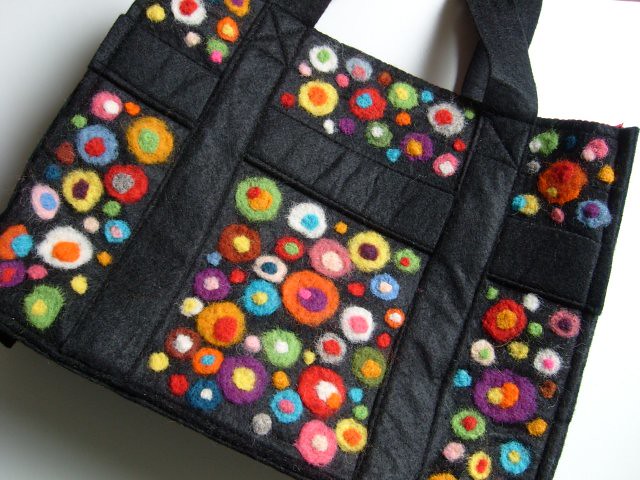
نمونه یک کیف ساخته شده به روش نمدمالی

نمد تنها زیراندازی است که بافته نمی‌شود! ابزار نمدمالی آب داغ، پشم یا کرک و زور بازو است. از اسمش پیداست که نمدهای موجود در بازار بر اثر مالیدن شکل و انسجام گرفته‌اند. نمد یکی از گرم‌ترین پوشاک و زیراندازها است و متأسفانه این روزها در حال فراموش شدن می‌باشد.

پ.ن اول: شهر یزد شهری سراسر زیبایی و جذابیت است. شهری بزرگ و وسیع که اقشار و ادیان مختلف را در بر گرفته است. همین تنوع سبب شده که دیدنی‌های تماشایی و منحصر به فردی چه در حوزۀ ابنیۀ تاریخی و چه در حوزۀ صنایع دستی یا حتی انواع و اقسام طعم‌های مختلف غذایی یا شیرینی‌های متنوع در این شهر رواج پیدا کنند. در شهر یزد حتی لحظه‌ای احساس کسالت نخواهید کرد. چون در هر گوشه و زاویۀ این شهر دلبرانه زیبایی و جلوۀ تازه‌ای در انتظار کشف‌شدن خواهد بود.

بازدید : 2
چهارشنبه 5 مهر 1402 زمان : 9:54

Iranian handwoven carpet

Photo source unknown

Weaving and traditional weaving are among the oldest handicrafts of Iran. This industry was formed in order to meet the human need for clothing and some daily items and was divided into different branches. Today, traditional weaving and textile industry can be considered as one of the most diverse handicrafts in Iran. In different provinces of our country, the weaving of various types of carpets and rugs and different types of traditional textiles are popular, which are among the most famous handicrafts of these regions. Some of the sub-branches of this industry are: gabe weaving, jajim weaving, silk weaving, night tent weaving, velvet weaving, curtain weaving, khos weaving, bar weaving, shamad weaving and chafieh weaving.

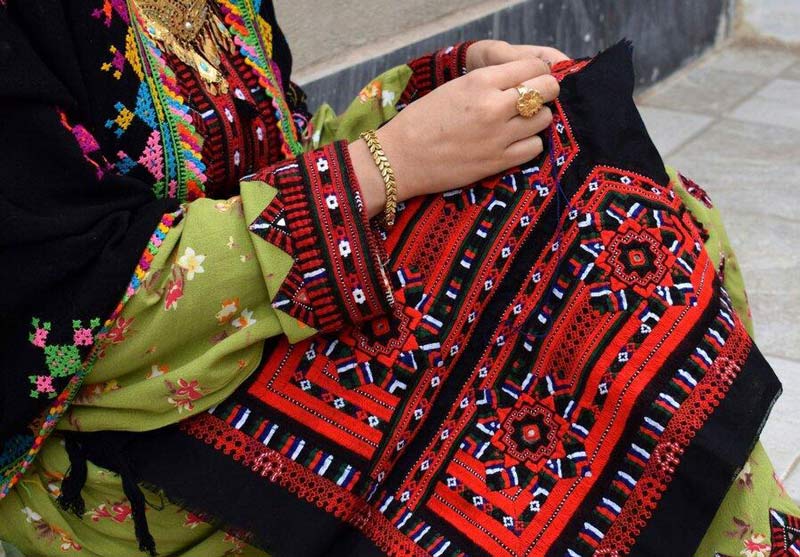
Traditional embroidery

Nomadic women embroidering traditional clothes

Photo source: Kohen Pars site, unknown photographer

The art of embroidery was formed due to human interest in decorating clothes and various items such as tablecloths and all kinds of rugs. The art of embroidery is one of the common handicrafts in different parts of Iran and it is done in different cities with various tools. The most famous branches of embroidery include needlework, tapestry, patchwork and crochet.

Handicrafts of embroidery also include patchwork inside the fabric. Needlework is done on simple fabrics, tapestry is done on traditional fabrics such as cashmere, and to decorate Janmaz, pate is done on thick fabrics and crochet is often done on mahout fabrics. In the past, it was common to use gold and silver in tapestry embroidery and silk thread in embroidery. Among the other sub-sets of hand embroidery, we can mention cream embroidery, chashme embroidery, star embroidery, glabton embroidery, black embroidery, and velvet embroidery. This art has many sub-branches, each of which is related to different cities. kilim bag

Metal crafts

Metal crafts in the craft store

Photo source: Isfahan handicrafts site

The discovery of metal in the ancient times drew people's attention to this first material for the manufacture of daily necessities, and its use to prepare all kinds of utensils and everyday tools became common due to the high strength of this material. Among the works left from ancient Iran, there are many examples of all kinds of metal tools. For this reason, the age of metal crafts can be attributed to ancient Iran.

Even today, metal handicrafts, especially its expensive types such as silverwork and copper plating, are among the most popular handicrafts in Iran. Artisans create unique works by using special tools and spending hours to carve and shape various types of metal. Among the most famous branches of metal handicrafts, we can mention the arts of engraving, engraving, pen making, goldsmithing, goldsmithing, silversmithing, coppersmithing, casting, jewelry making, weapon making, and sign making.

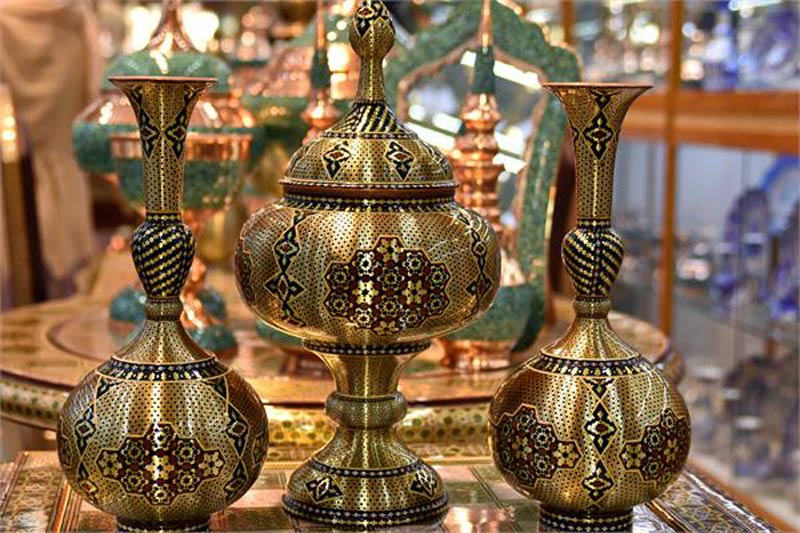
Enamel handicrafts

Enamel crafts in Isfahan

Photo source: Moj news agency, unknown photographer

Enamel crafts are one of the most beautiful dishes and decorative items that are very difficult to make. Mina Kari works of art are among the most expensive handicrafts in Iran, which are made by the most skilled artisans. This art is more than 5000 years old. Mina Kar artists create beautiful works by combining matte colors and working with tiles and metal. Subsets of the enameling industry include inlaid, grid, painted enamel and sabi enamel, and inlaid enameling is considered the most difficult field of this art.

Pottery crafts

Pottery jars and handicrafts

Photo source: sofalinc website, unknown photographer

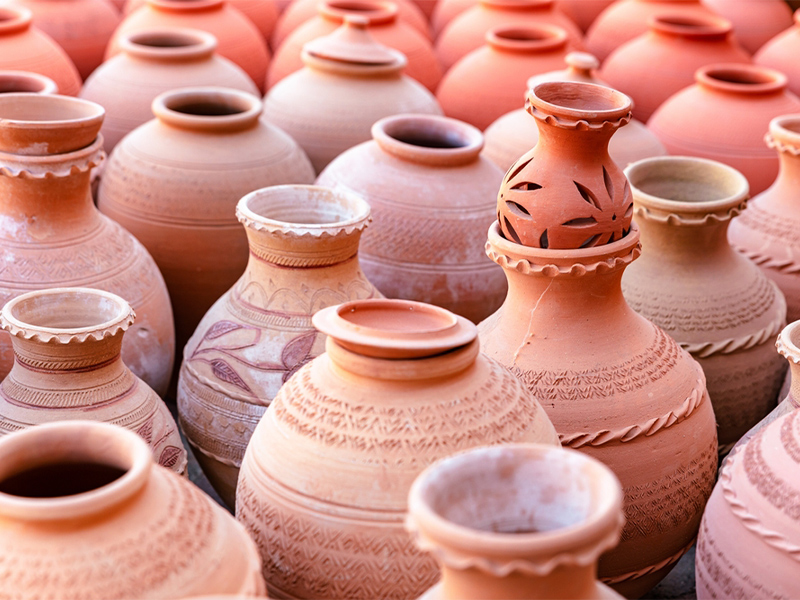
Pottery is one of the most popular crafts in Iran among tourists and has a long history. In every region of Iran, due to the access to the element of soil, making pottery has been popular since the distant past. In different historical periods, people made pottery by mixing water and soil and making clay vessels, and over time, clay replaced ordinary soil. The most prominent historical pottery are jars and bowls found in ancient buildings.

Pottery is divided into two categories: unglazed and glazed. In different cities of Iran, there are museums called Diyar Pottery Museum, where you can see all kinds of historical pottery. Hand pottery, wheel pottery and potting are among the subsets of pottery art.

Water crafts

Colored glass crafts

Photo source: Mehr news agency, unknown photographer

Glass handicrafts are one of the most beautiful works of art in Iran. Historical fountains discovered in different parts of Iran show the high age of these handicrafts. You can see the most beautiful water-based works made by Iranian artisans at the Water-based Museum on 30 Tir Street in Tehran. Among the sub-sets of water art, we can mention molded glass, foot glass, three-layer glass, two-layer glass, cutting on glass, frosting, and frosting. Beautiful handicrafts are also made from the combination of this art with the art of enameling and metal handicrafts by Iranian artisans.

wooden handicrafts

Khatam Kari handicrafts

Photo source: Sed and Sima news agency, unknown photographer

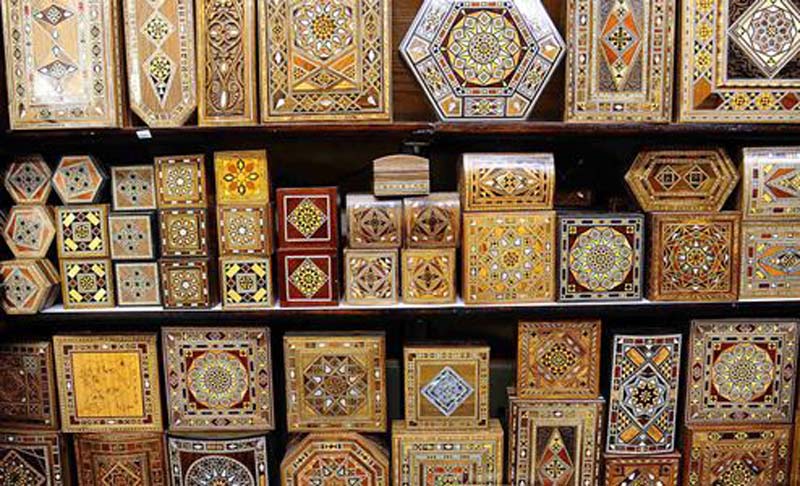
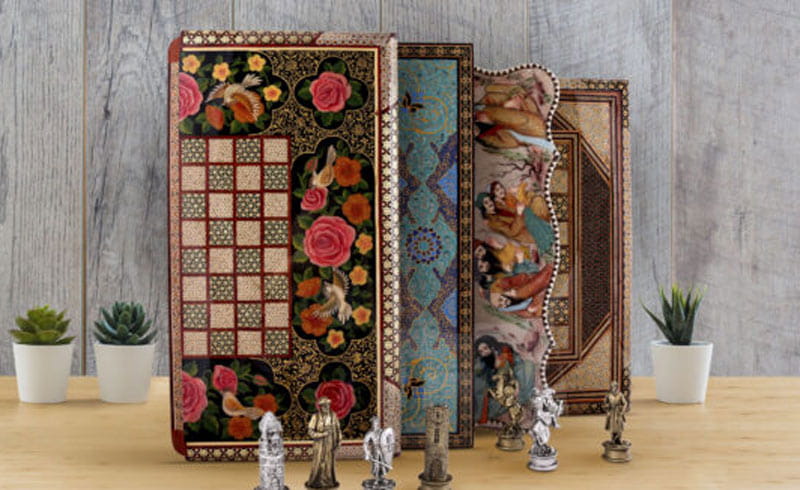
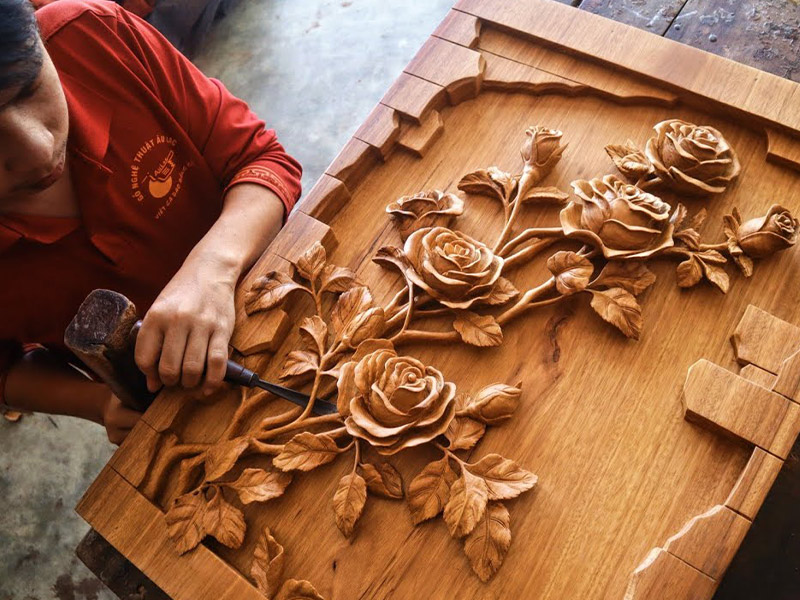
Wooden handicrafts are one of the most beautiful Iranian works of art that have been popular in Iran for many years. These industries are very wide and many artists work in them. Different cities of Iran have a variety of wooden handicrafts, among which we can mention turning, mosaic making, inlaying, inlaying, and mesh work. The works of art made by wood artisans are very useful in everyday life. One of the most popular wooden works and handicrafts are inlay works.

Stone crafts

Stone crafts

Photographer and photo source: Mohsen Rahimi Anbaran from Young Journalists Club

Stone cutting and engraving on it is considered one of the first hand arts of Iranians; Of course, ancient stone objects in different parts of the world show the age of this art in the whole world. Stone crafts have changed a lot over time, and with the discovery of beautiful and decorative stones in all corners of the world, cutting and making stone ornaments became popular. Among the main sub-branches of these industries, we can mention the works of inlaid stone, turquoise, stone carving, mesh work and stone inlay work. Stone works of art are one of the most lasting handicrafts.

Painting crafts

Ancient painting images

Photo source: Handicraft site

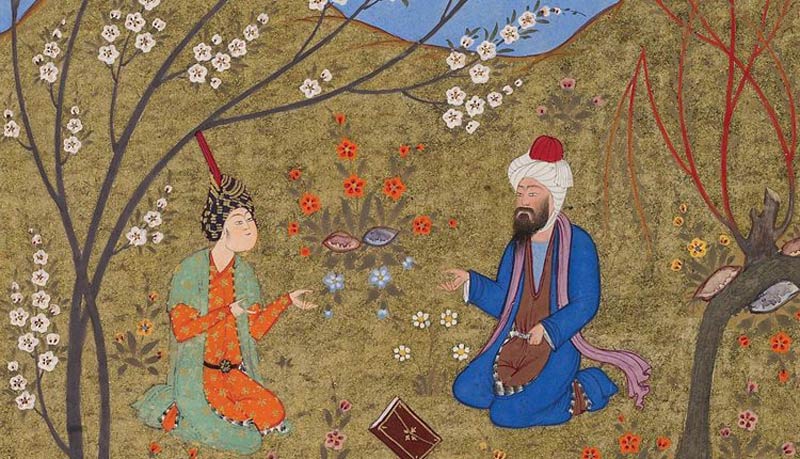
Iranian painting crafts are famous in the world. These works are included in the category of visual arts and are considered among the most beautiful works and handicrafts of our country. The diversity of these industries is also high, and various examples of painting by Iranian artists can be seen in works of gilding, advertising, flowers and birds, and coffee house painting. Painting is the basic and prerequisite of many other handicrafts. You can see outstanding examples of Iranian painting in Reza Abbasi Museum in Tehran.
Traditional printing crafts

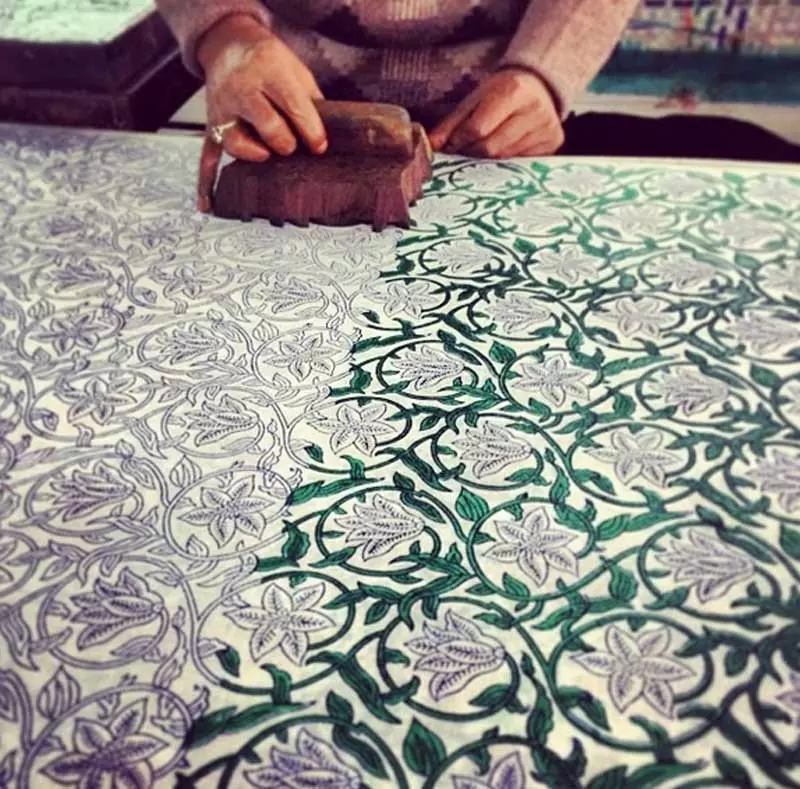
Craftsman artist doing traditional printmaking

Photo source: Photoshop website, unknown photographer

In the past, two types of printing were used in the traditional method. Printing on paper and printing on cloth were different branches of traditional printing. The construction of these industries was first done in order to decorate cloth and paper, but over time it also found its place in the facade architecture of mosques and historical buildings. Patterned tiles in Iran's historic mosques, such as Sheikh Lotfollah Mosque, are among the most beautiful examples of traditional printing. Different types of calligraphy and hat embroidery are also among the subsets of traditional Iranian printing.

Handicrafts of mat weaving

All kinds of pottery handicrafts in Iran

Photo source unknown

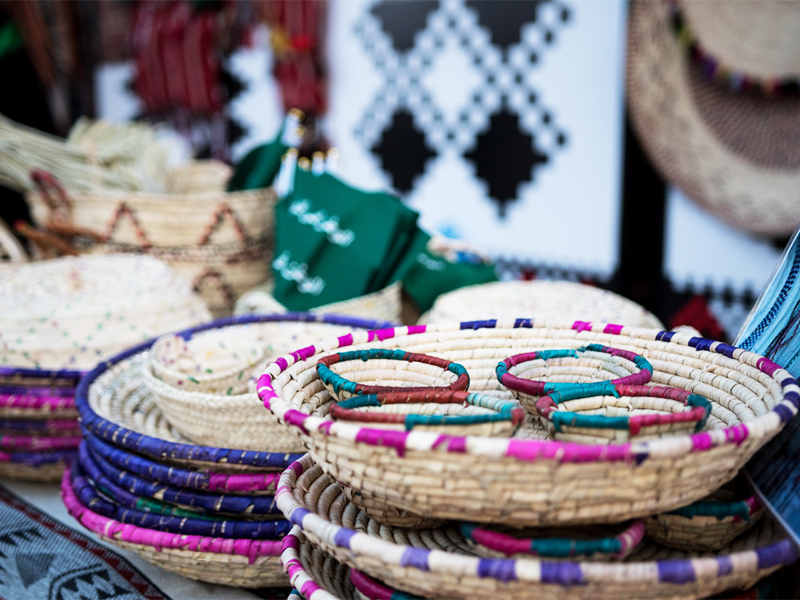
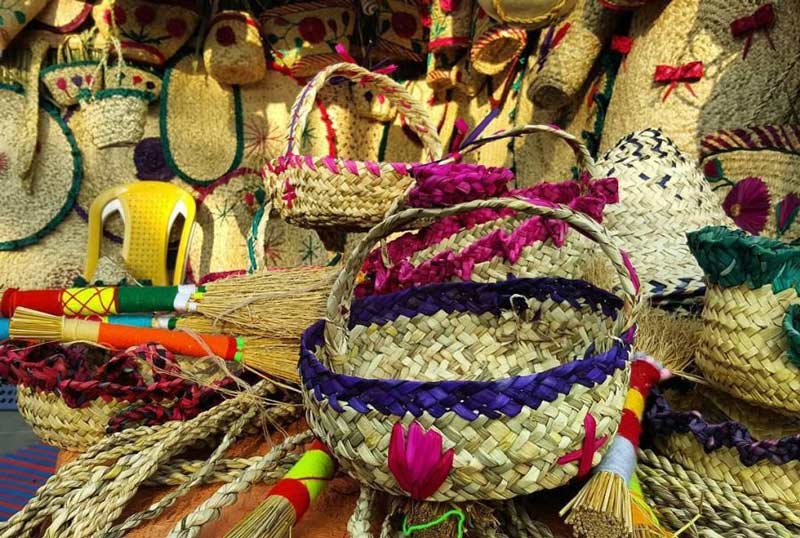
Carpet weaving is another old handicraft of Iran, which is still popular in the southern and northern regions of our country. Today, they use all kinds of wicker handicrafts as souvenirs. Although the mat weaving industry can be considered as one of the sub-branches of wooden handicrafts, the extent of this branch and its high position in the handicraft market has made it a separate branch in this industry.

To make wicker works in different parts of the country, they use palm leaves, wheat stalks, reeds and all kinds of leaves. Wicker items are highly used in people's daily life, especially in areas with high humidity. Tasteful artists produce various works by dyeing the mat and combining it with colored threads. Borya weaving, pearl weaving, bomb weaving and basket weaving can be mentioned among the subcategories of mat weaving art.

Felt handicrafts

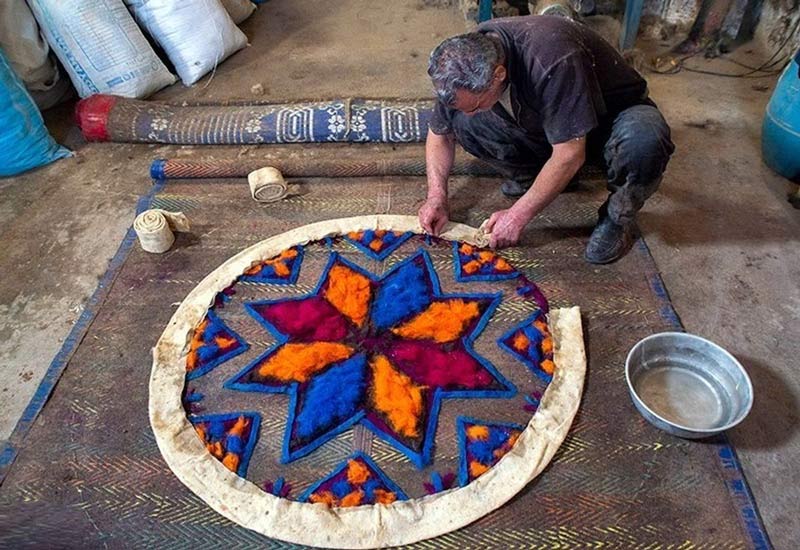
A felt artist making a felt rug

Photo source: Online Economy, photographer unknown

Felting is one of the most authentic Iranian businesses and its products are an example of Iranian handicrafts. Felt products are used to produce all kinds of carpets, underlays, blankets and other consumables. Felt is prepared from sheep's wool and by coloring and beating it, they make various works. In this art, using hot water, the felt is kneaded and prepared for use in handicrafts. Nemdmal artists work hard to produce all kinds of rugs, and nemdmal is one of the most difficult branches of craft making.

Leather crafts

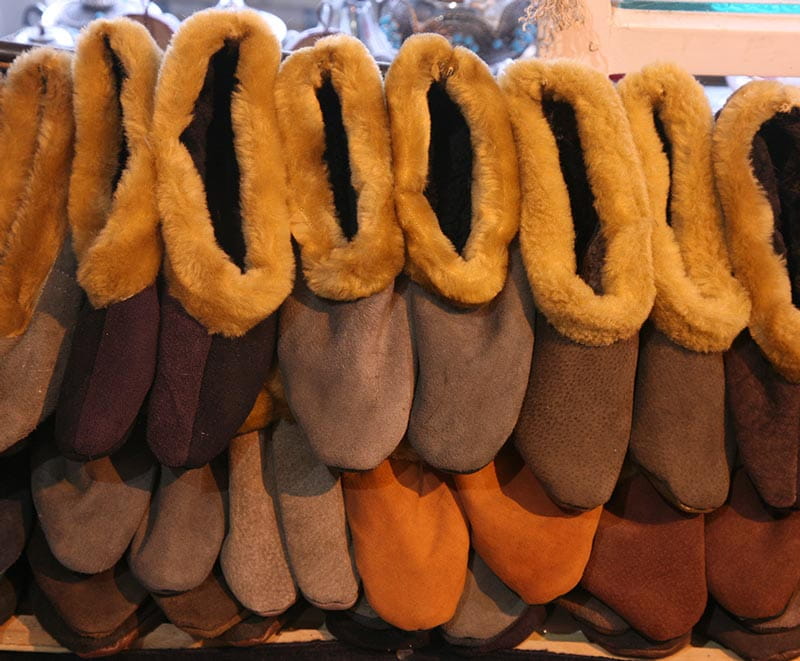
Handicrafts of leather weaving

Photo source: Iran Antique website, unknown photographer

Leather making is one of the most original crafts of the nomadic and pastoral people of Iran. The cold weather in the living areas of cattle breeders and nomads has caused the production of these products. Over time, handmade skins attracted the attention of tourists and its production became popular among nomadic people to sell to travelers. Poustins are made from lamb and sheep skin and in Turkmen language they are called "Ochcham".

Leather crafts

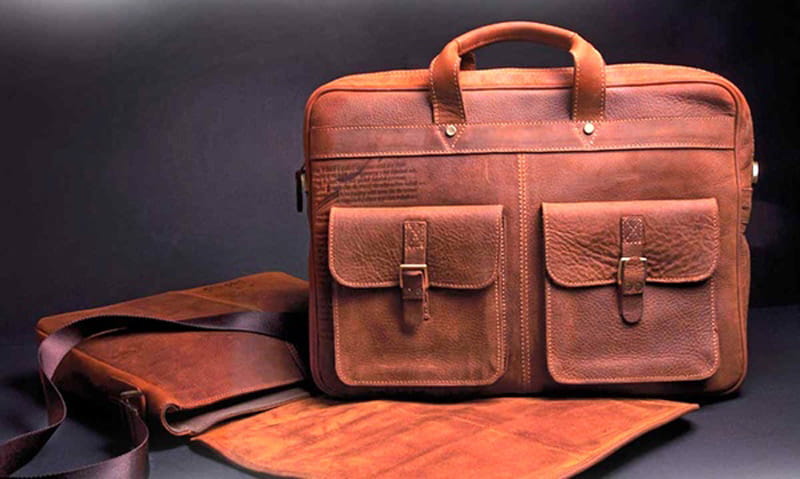
Leather crafts

Photo source: Ilna news agency, unknown photographer

Leather products are among the most popular handicrafts in Iran. Of course, leather handicrafts are produced in different parts of the world and it can be said that they are one of the most important export handicrafts in the whole world. The leather industry is one of the handicrafts related to animal products, and handmade leather works are among the most expensive handicrafts in the market. The variety of leather artworks is high and includes different types of clothes, bags, shoes and decorative items. Among the most important subcategories of leather crafts, we can mention traditional leather cover making, traditional saddlery, leather stitching, leather embroidering, leather painting, saddle making, and leather engraving.

Traditional dyeing and dyeing crafts

Traditional dyeing crafts

Photo source unknown

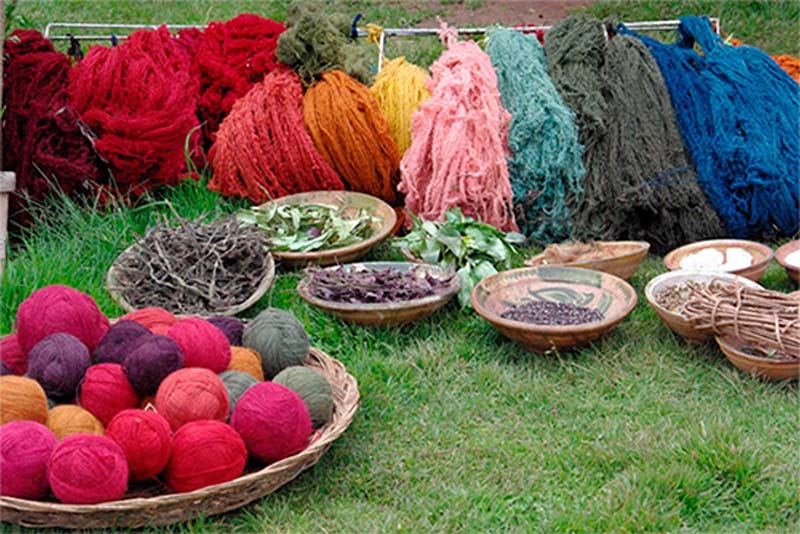
The art of traditional dyeing and dyeing emerged after the development of weaving industries. The reason for the formation of these handicrafts was the human desire for high color diversity in the production of various types of knitwear such as carpets and clothes. In traditional dyeing, natural colors were produced by using natural plant seeds and combining them with each other. Among the most important plants that can be used in this branch, we can mention runas, pomegranate, onion and mountain oil. Different insect larvae were also used in the traditional dyeing method.

Over time and with the increasing skill of dyers in making various colors, they used this art in architecture, woodwork, various textures and paper industries. Even today, traditional dyeing industries are widely used due to its naturalness.

Traditional clothing handicrafts

Traditional hand-embroidered clothes

Photo source: Virtual Museum of Spiritual Heritage

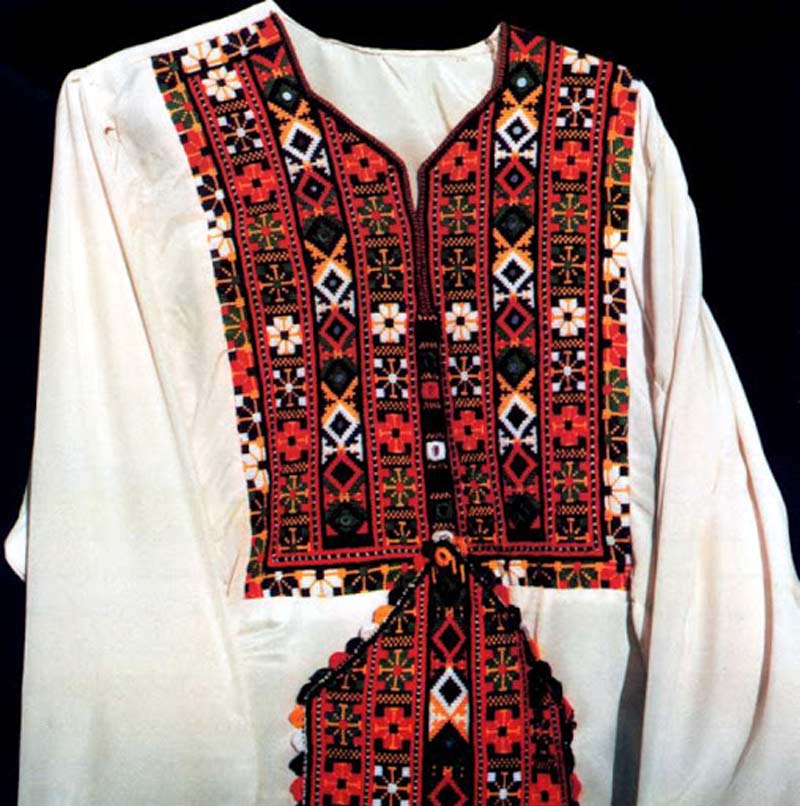
Since ancient times, Iranian women have made a significant contribution to the production of handicrafts in all corners of Iran. Rural, nomadic and local women in different parts of Iran have produced their traditional clothes with signs of ethnic culture. Over time, these clothes have found their place in the market and among tourists. Although this branch of handicrafts can be considered a subset of industries such as weaving and leather, the high importance of traditional clothing products raises the status of these products. Traditional clothing includes a wide range of ethnic clothing, tops, traditional shoes such as charuq, chamoosh, kalash, giveh and other types of fabrics.

Other handicrafts of Iran

Marine crafts

Photo source: Rah Dana, unknown photographer

Over the years, with the progress of the industry and the construction of new tools, different handicrafts were created that are less old than the ancient handicrafts in Iran. Paper-related industries can be mentioned among these handicrafts. Branches such as bookmaking, binding, cover making, paper cutting and traditional papermaking belong to these industries.

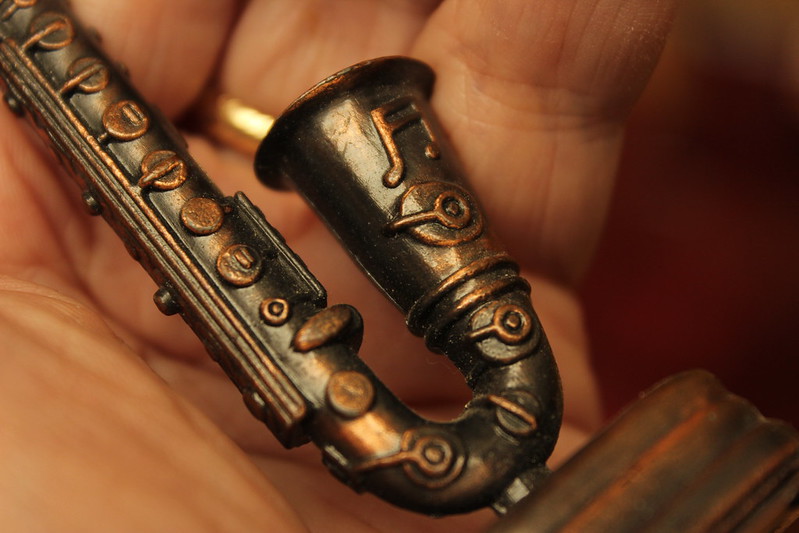
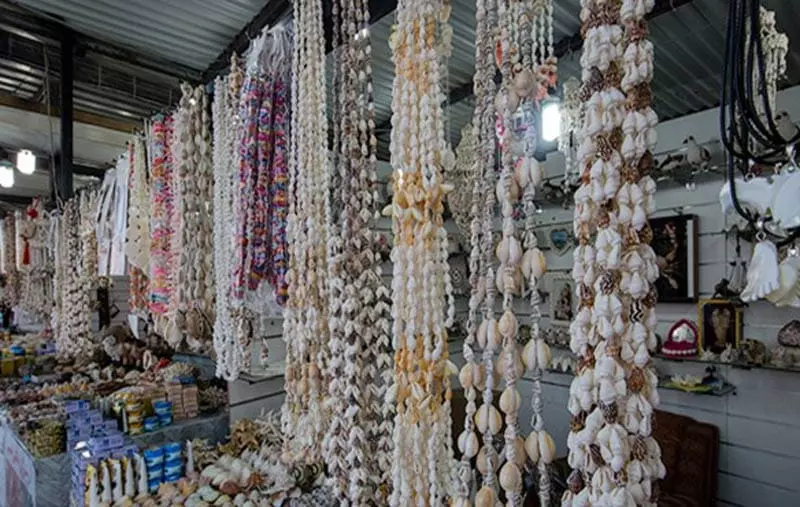
Marine handicrafts started from coastal areas and cities that had access to the sea, and today many artists create beautiful handicrafts by carving shells and painting on them. Painting and engraving on bone is also one of the other handicrafts of Iran and other parts of the world. Architecture is one of the most beautiful and original branches of art in Iran, which artisans have created unique works by combining it with other handicrafts. Artistic handicrafts such as moghrans work, plastering, mirror work, traditional wall painting, brickwork and plastering are examples of the integration of architectural art and handicrafts in Iran. Making musical instruments and traditional Iranian instruments is also considered one of the most prominent handicrafts of Iran.
Types of Iranian carpets

Photo source: ISNA news agency, unknown photographer

Knitting handicrafts in Iran have been one of the most important handicrafts over the years, which have played an important role in promoting exports and introducing the works of Iranian artists to the whole world. Weaving handicrafts can be called as the most famous handicrafts of Iran. In general, all types of knitting handicrafts in Iran are divided into two categories: weaving and textile industries.
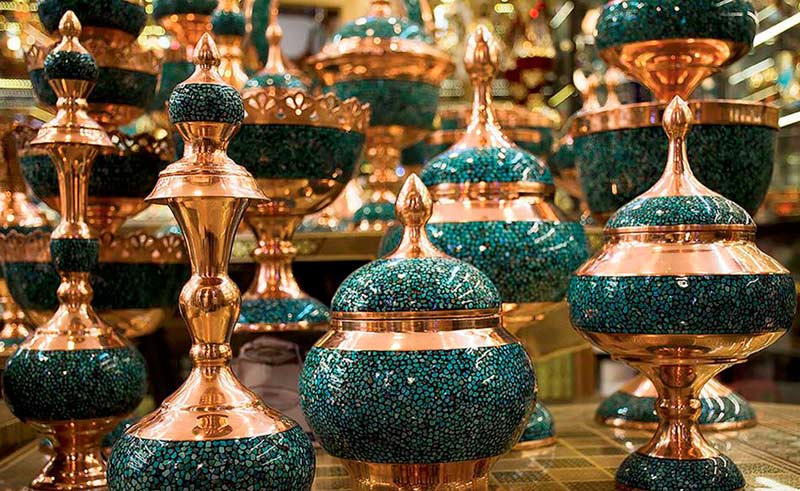
You have woven handicrafts

Carpet weaving artists with carpet legs

Photo source: Parnon site, unknown photographer

Dari braids are a group of handicrafts that are woven on a dari. The doors are made by tying wooden logs together in rectangular and square shape and put the desired weave on it. The most famous weaving in Iran is the Iranian carpet, which has a worldwide reputation. Persian rug or carpet is considered the most famous underlayment in Iran, which is woven with various types of wool, silk, silk flowers or with a combination of threads.

Types of Iranian carpets and rugs

Photo source: Mehr news agency, unknown photographer

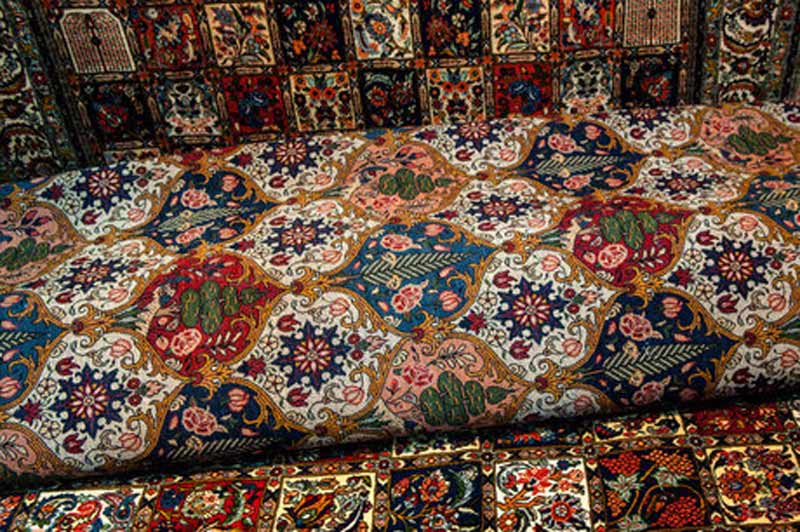
Iranian carpets are unique in the world, and in each of the cities of our country, unique roles are used in the texture of carpets; For this reason, many artisans in the field of carpets can identify the texture area of each carpet from the appearance of the carpet. The most important carpet weaving cities in Iran are Tabriz, Kashan, Mashhad, Kerman and Nain. These cities export more than 30% of the world's handwoven carpets.

Among the different types of woven rugs in Iran, we can mention double or simple woven rugs, single-sided or embossed rugs, and plain or varnished rugs. Among other Dari weaves, we can mention Gebeh and Zilo.

Textile handicrafts

Traditional textile industry or hand woven fabric is one of the other handicrafts in the world, of which Iranians were pioneers. Traditional handwoven fabrics are divided into two general categories. The first category is valuable and expensive fabrics made of fibers such as silk and zari. Zari, velvet, cashmere, silk and shawl can be mentioned among the types of these fabrics. The second category includes Abaya, Barak, Karbas, Motaqal, Shamd, Pardah and Chador Shab fabrics, which have a lower price.

Iran's best-selling handicrafts

Types of Iranian handicrafts

Photo source: Zarifa store website

Iranian carpet is the best-selling handicraft product of our country. Carpets from different regions of the country have their fans, and Iranian hand-woven carpets still have a good domestic market. One of the best-selling handicrafts in the country is wooden handicrafts. Furniture, bedding, and many other household items are made of wood, and inlay art is one of the most popular arts among Iranians.

Other popular handmade products in the Iranian market are copper and glass dishes. A significant part of the sales of the traditional markets of Isfahan and Shiraz belong to copper handicrafts. Pottery and ceramic artefacts are also popular among tourists and many travelers buy these handicrafts for souvenirs. Different types of embroidering, enameling, handmade ornaments, crocheting and embroidery are also among the best-selling handicrafts in different cities of Iran.

The most popular export handicrafts of Iran

Types of Iranian handwoven carpets

Photo source: Online Economy, photographer unknown

Iran is one of the most active countries in this field with activities in 370 fields out of 600 fields of handicrafts known in the world. Iranian handicrafts are exported to Iraq, Turkey, United Arab Emirates, China, South Korea, Indonesia and Afghanistan, and Iranian carpet is one of the most important export goods of our country to the European continent.
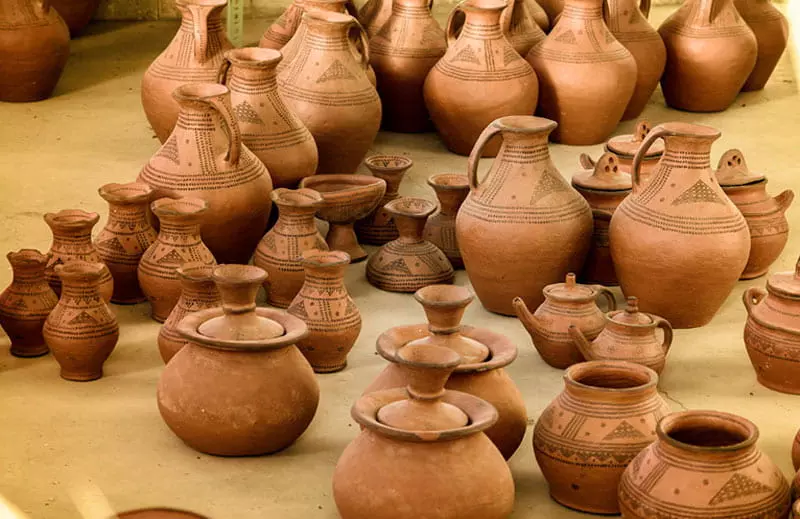
Among other popular products and handicrafts of Iran in the world, we can mention copper, pottery, felt, pen and enamel industries. Although the exports of handicrafts have grown significantly over the past years, the field is ready for the expansion of Iranian handicrafts and requires more investment and careful planning. In 2016, Iranian handicrafts won the second rank in exports and the first rank in non-oil exports. Among the different provinces of our country, Isfahan province is the leader in the export of handicrafts.

Familiarity with Iranian handicrafts

All kinds of prints of Iranian handicrafts

Photo source unknown

Iran, with a strong background in culture and civilization, has artistic relics from past centuries. Today, our country is known in the world as one of the most prominent regions exporting works of art and handicrafts. Iranian handicrafts are among the most valuable works of art in our country and are a manifestation of the culture of Iran's national ethnic groups. The discovery of ancient works of art made by human hands in the historical monuments of our country tells about the close connection of art and handicrafts with the civilization of this land.

In the historical works of Iran, signs of the art of architects, painters and engineers can be seen in tombs, mosques, palaces and historical buildings. Each of these works shows a part of the identity and culture of the people of their time with prominent signs from different historical periods.

Iranian handicrafts are works of art made by artisans of our country and show a part of Iranian culture and identity

In the general definition, the combination of hand art and the use of native and traditional tools in creating a work is called handicrafts. The artistic taste and creativity of the craftsman has a great impact on the creation of artwork and handicrafts. The handicrafts of each region of Iran are unique; Although there are common industries in some cities, signs of the rooted culture of a city or village can be seen in the fabric of each work. The most essential element in making handicrafts is the art of human hands, and this doubles the value of these works.

As a native and traditional art of the people of our land, Iranian handicrafts play an effective role in strengthening the economic situation of different regions of the country. Currently, Iran's handicrafts are considered one of the top three poles of handicrafts in the world, and proper investment along with detailed planning in the production and introduction of these works at the global level can lead to high income generation at the national level.

Photographer and photo sources: Mahmoud Rahimi from Mehr news agency, Isfahan handicraft sites, Chic Art, Cefalink, Zarifa and IRNA and Sahib News news agencies.

In general, handicrafts can be divided into three categories: artistic, artistic-consumable and consumer handicrafts. These industries are distinct from factory products due to the subtleties of hand-crafted design. One of the most important features of handicrafts is the use of domestically produced raw materials. The added value of these products is also very high considering the initial investment and it is possible to expand this industry in deprived and rural areas. The amount of damage of this industry to the environment is also very small compared to the destructive effects of modern and machine industries.

Over the past two years, from the winter of 2019 until now, the spread of the corona virus in the world has caused irreparable damage to Iranian handicrafts. Obviously, with the boom in tourism and the increase in attracting tourists in Iran, handicrafts will generate more income and prosperity. The 10th day of June, equivalent to 20 June in Iran, has been named as the International Day of Handicrafts.

Iranian handicraft stores

Crafts store in Isfahan

Photo source: ISNA news agency, unknown photographer

Over the years, various handicraft festivals have been held in different cities of our country. The purpose of holding handicraft festivals and exhibitions is to expand the business of these industries and culturally value them. Apart from the annual events in different cities of Iran in the field of handicrafts, handicraft shops in different cities operate in a specialized manner. In these stores, the most famous works and handicrafts of each city are exposed to the public of tourists, and art lovers buy from these stores.

Some works and handicrafts of Iran have been registered in the list of world works. The names of the cities producing these works are also included in these lists. Craft shops in these towns offer outstanding examples of handicrafts for sale to tourists and travelers.

Handicraft shops are also open in other cities. These stores are more concentrated near the historical attractions and museums of different cities. Shopping centers, especially the traditional markets of different Iranian cities, are also suitable places to buy all kinds of Iranian handicrafts.

Cities and villages registered in the World Handicrafts List

With 11 cities and three villages, Iran is at the top of the list of registered handicrafts of countries in the world. The World Handicrafts Council operates under the supervision of the UNESCO organization, and different countries send files of these works to this council to register their works and handicrafts. The names of Iranian cities and villages were registered in this council between 2015 and 2020.
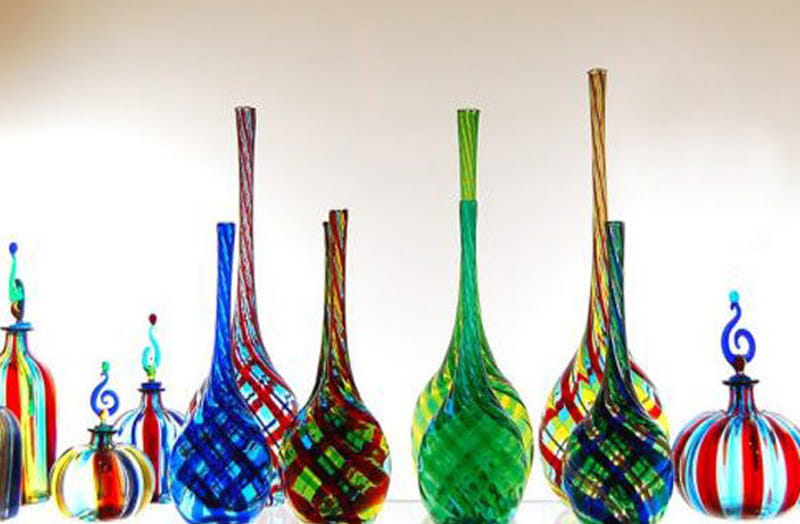
Isfahan is the first registered city from Iran in the list of world handicrafts with more than 130 artistic fields. The most skilled craftsmen of Iran were born in this city. The city of Mashhad also joined this list after Isfahan in 1395. Artworks made with ornamental stones are the most famous handicrafts of Mashhad. We recommend the articleHandicrafts of Isfahanread the

The city of Shiraz is one of the most historical cities in Iran, which was registered in the list of world handicraft cities in 2018. A variety of handicrafts are made in this city by the hands of artisans, the most famous of which are embroideries, embroideries, inlays, and silk weaving. The name of the city of Malair was also registered in the world list of handicrafts at the same time as Shiraz. The most prominent handicrafts in the city of Malair are furniture and inlaid works.

The names of 11 cities and three villages from Iran are at the top of the list of handicraft producing countries in the world

Tabriz is known in the world as the cradle of Iranian carpets. One of the most exquisite and expensive carpetsHandicrafts of Tabrizand the world The name of the city of Zanjan was included in the world list of handicrafts in 2018. The most prominent crafts in this city are traditional knife making and tapestry making.

Other Iranian cities in this list are Laljin Hamedan with the title of Safal World City, Abadeh in Fars province with the title of Manbet World City, Meybod Yazd as the Zilo World City, Marivan of Kurdistan with the title of the Kalash World City and the city of Sirjan Kerman with the title of the World Carpet City. are.

Khorashad village in South Khorasan province and 24 kilometers east of Birjand is known in the world as Tobafi Global Village. The art of traditional cloth weaving in this village is more than 300 years old. Another Iranian village in the world listHandicrafts of Qasim Abad village in Mazandaran provinceIs. This area is known as the world village of Chador Shabbafi. Kalpurgan village is located 26 km away from Saravan in Sistan and Baluchistan province, and it has been given the title of Global Pottery Village. In this village, there is a living museum of Iranian pottery, and tourists can see different parts of pottery making.
بازدید : 15
دوشنبه 3 مهر 1402 زمان : 18:07

اگر به آمل سفر می‌کنید، به هیچ وجه عسل طبیعی از قله دماوند و منطقه‌ی لار، گردو، شیرینی‌های محلی مانند آب‌دندان، ساقه عروس، نان کوهی، سیب، کیوی، انواع ترشی، زیتون، ماهی، برنج و مرکبات را برای سوغات فراموش نکنید. همچنین اگر قصد خرید سوغاتی‌های غیرخوراکی آمل یعنی همان صنایع دستی را دارید، می‌توانید از صنایع دستی مانند: سفال، منبت، گلیم و معرق، بهره ببرید.
مهم‌ترین صنایع دستی شهر آمل عبارتند از: پارچه پشمی، نمدمالی، حصیربافی، کلاه نمدی و…
بافت انواع پارچه‌های پشمی که به اصطلاح محلی به نام چوخا، باشلق، شله (مچ پیچ) نامیده می‌شوند، در منطقه آمل از جمله صنایع دستی مهم و معروف به شمار می‌آیند.
نمدمالی نیز از دیگر صنایع دستی این منطقه به شمار می‌آید. نمد که از فشرده شدن پشم محلوج به دست می‌آید از دیر زمان در ایران متداول بوده است. نمد برای پوشش کف اتاق خانواده‌های متوسط، تهیه انواع لباس، تهیه کلاه، تهیه روپوش نمدی که افراد را از باران و سرما محافظت می‌کند و همچنین برای محافظت چهارپایان باردار مقابل سرما استفاده می‌شود.
حصیربافی نیز از دیگر صنایع رایج در منطقه آمل است که انواع آنرا از نی‌های نازک و کلفت که در باتلاق‌ها می‌روید، می‌بافند. در گذشته مصرف حصیر و بوریا برای پوشانیدن سقف منازل، قبل از کاه‌گِل کردن بود و همچنین در مناطق مرطوب برای پوشش کف اتاق‌ها و زیرفرش‌ها استفاده می‌شد.
نمایش صنایع دستی یکی از مهم‌ترین جاذبه‌های گردشگری شهر آمل را تشکیل می‌دهند.
جالب است بدانید که صنایع نساجی، صنایع غذایی و سنگی، صنایع چوب، صنایع اشیاء کائوچویی، صنایع چرم سازی و صنایع چاپ و انتشارات از جمله صنایع این شهرستان به شمار می‌روند. شهرستان آمل به تنهایی ۶۵% از صنعت استان مازندران را در خود جای داده است.
هفت رشته فراموش شده صنایع دستی در این شهرستان نیز احیا شده است که این رشته‌ها شامل: نگارگری، تذهیب، کاشی معرق، تراش سنگ‌های قیمتی، بامبو، رنگرزی سنتی و لاک تراشی است. با احیاء این رشته‌ها تعداد رشته‌های صنایع دستی شهرستان آمل به ۱۱ رشته افزایش یافت. پیش از این در آمل فقط چهار رشته سوزن دوزی، معرق چوب، سفال و گلیم بافی فعال بوده است.
همچنین از صادرات این شهرستان می‌توان به منسوجات و لبنیات، گیلاس، مواد غذایی مثل کیک و کلوچه و بیسکوئیت، تره بار، مرکبات، گل و گیاه، دانه‌های روغنی از جمله کُلزا، تولیدات برقی، ابزارآلات صنعتی و مصالح ساختمانی و سایر صنایع دستی و هنرهای سنتی اشاره کرد.

خرید صنایع دستیسفال، گلیم، انواع ترشی و مرباجات محلی و ماهی از مهمترین سوغاتی‌های آمل هستن که می‌تونین اونا رو از بازار قدیمی آمل که ساختش به زمان ساسانیان بر می‌گرده تهیه کنین. البته فروشگاه‌های زیادی هم نرسیده به آمل هستن (از سمت تهران به آمل-جاده هراز) که تمام این سوغاتی‌ها رو تازه‌ی تازه به فروش می‌رسونن.
سایر محصولات شهر آمل نیز عبارتند از: برنج طارم که یکی از مرغوبترین و بنامترین محصولات کشاورزی کشوره.
گردو، سیب، آلبالو، هلو، عسل، پرتقال، نارنگی، تمشک، کیوی و سبزی نیز از دیگر محصولات و ره‌آوردهای این شهر هست، کاهوی آمل که در نوروز و ۱۳بدر (سیزده بدر، روز طبیعت)، مصرف بیشتری داره و به اقصی نقاط ایران بویژه تهران صادر میشه. از آنجایی که کاهو از سبزی‌های بسیار مفید و در میان سبزی‌ها، دارای تاریخی کهن است و علاوه بر خواص درمانی، مصرف غذایی نیز دارد که هر ساله در شهرستان آمل به‌صورت انبوه این گیاه کشت می‌شود. کاهوی آمل روغنی و اعلاست و بیشترین میزان فروش کاهو کاران آملی در تعطیلات نوروزی است. شهرستان آمل در تولید کاهو رتبه نخست مازندران را دارد، و سطح زیر کشت کاهو در این شهرستان حدود ۲ هزارهکتار اعلام می‌شود. بازار مناسب فروش این محصول در ایام عید در داخل استان مازندران و استان تهران است، کشت کاهو در شهرستان آمل به عنوان کشت دوم همه ساله بعد از برداشت محصول برنج در مزارع شالیزاری و باغات انجام می‌شود، ۹۵ درصد گیاه کاهو آب دارد و در هزم سریع و اشتها غذا و همچنین شفافیت پوست مورد تاکید پزشکان است.
آمل به عنوان اولین شهر ساخت ام دی اف (صنعت چوب) و اولین شهر تولید محصولات مدرن کوره آجر ریزی سنتی نیز در ایران شناخته می‌شود و به عنوان یکی از قطب‌های صادرات گل‌های تزیینی (گل‌های آپارتمانی و گل‌های شاخه بریده) می‌باشد.

بازدید : 6
پنجشنبه 30 شهريور 1402 زمان : 18:48

گلابتون دوزی

تاریخچه هنر گلابتون‌دوزی در استان هرمزگان به دوره هخامنشیان برمی‌گردد که یکی از معروف‌ترین و مهم‌ترین رشته‌های صنایع دستی این استان است و از اجزاء اصلی پوشش بومی دختران و زنان به شمار می‌رود. گلابتون‌دوزی نوعی رودوزی سنتی است که جنبه تزئینی دارد.

این هنر در گذشته از نخ‌های ابریشمی با روکش طلا یا نقره روی پارچه‌های ماهوت، اطلس، مخمل، پشم، کرباس و مخمل با نقش‌های ترنج، محرابی، بازوبندی،‌ ختایی، اسلیمی و محرماتی تزیین می‌شد ولی در حال حاضر با نخ طبیعی گلابتون که روکش فلزی زرد و سفیدی دارد و معمولا روی لباس، یقه، آستین، پیراهن و لبه آستین دوخته می‌شود.

حصیر بافی

حصیربافی هنر زنان و مردان سرزمین نخل و خرماست و از رایج‌ترین صنایع دستی هرمزگان. تاریخچه این هنر به قبل از هخامنشیان تعلق دارد.

هنرمندان این رشته از برگ درختان خرما، که به زبان عامه منطقه به «پیش» معروف است، وسایلی حصیری مانند زنبیل حصیری،‌ زیرانداز،‌ ناندان، تویزه،‌ بل، سفره، بادبزن، جارو، سبد و کلاه را تولید می‌کنند و در حال حاضر این فرآورده‌های حصیری در روستاهای میناب، بشاگرد و بندر لنگه عرضه می‌شود.

خوس‌ دوزی

خوس‌دوزی هنر سوزن‌دوزی بر روی تور یا مخمل است که با نخ خوس یا نقده که نوعی نخ پلاستیکی در رنگ‌های مختلف است برای تزیین پرده‌، روسری و چادرهای توری، لباس‌های محلی، رومیزی و روتختی استفاده می‌شود.

نقش‌هایی که در خوس‌دوزی استفاده می‌شود نقش‌ ستارگان به شکل شش‌پر،‌ هشت‌پر و دوازده‌پر است. در این نوع سوزن‌دوزی پشت و روی پارچه معمولا یکنواخت است و بازتاب منحصربه‌فردی دارد.

یکی بهترین شهر هایی که در زمینه خوس دوزی فعال است، شهر قشم است. که شما میتوانید در زمان مسافرت به این شهر برای اجاره خانه در فشم یا اجاره بوم گردی در فشم از طریق سایت اتاقک رزرو خود را انجام دهید.

بادله‌ دوزی

بادله‌دوزی یا تلی‌بافی یکی از رودوزی‌های سنتی و صنایع دستی هرمزگان است که در لغت‌نامه به معنای یراق بادله به جامه دوختن یا یراق‌دار کردن جامه است. این نوار با پهنای پانزده سانتی‌متری از به هم پیوستن چند نوع زری با هم ،به‌صورتی که زری بزرگ در وسط و زری‌های کوچک در اطراف است، تولید می‌شود که معمولا برای تزئین کردن لبه شلوارهای زنانه استفاده می‌شود.

سوزن‌ دوزی

هنر سوزن‌دوزی یکی دیگر از انواع رودوزی است که در بخش بشاگرد استان هرمزگان رونق دارد و به روش زنان بلوچ انجام می‌شود. سوزن‌دوزی یکی از مهم‌ترین شیوه‌های تزئین لباس است و با کوک و بخیه‌های رنگی روی بخش‌هایی از پارچه لباس طرح‌های فوق‌العاده را به نمایش درمی‌آورد.

قالی‌ بافی

صنعت قالی‌بافی در هرمزگان، به‌ویژه در میان عشایر رائینی و افشاری، رونق زیادی دارد. نکته قابل توجه در میان بافندگان آن است که این هنرمندان پشم مورد نیاز را پس از تهیه کردن از منطقه سیرجان به بهترین شکل ریسندگی و رنگرزی‌ می‌کنند. گره‌های به‌ کار رفته در قالی‌های هرمزگان فارسی است و نقش‌های آن معمولا به ایل افشار تعلق دارد که از انواع آن می‌توان به طرح‌های شکارگاه، ماه و ستاره‌ای، سماوری،‌ بوته‌شاهی،‌ سه‌کله و گنبدی اشاره کرد. بندرعباس، روستای درتوجان و بخش حاجی‌آباد از مناطقی‌اند که این صنعت در آن‌ها رواج دارد.

خرسک‌ بافی

نوعی از بافت فرش، که پرزهای درشت و بلندی دارد و رنگ‌های بافت آن از رنگ طبیعی پشم تشکیل شده است را خرسک می‌گویند. در این نوع فرش از پود رو استفاده نمی‌شود و تاروپود و پرز آن از پشم است. نقش‌های به‌ کار رفته در این فرش غالبا هندسی است و درتوجان از منطقه‌هایی است که خرسک‌بافی در آن رواج دارد.

در گذشته از این محصول به‌عنوان روانداز استفاده می‌کردند اما در حال حاضر از آن به‌عنوان پادری استفاده می‌کنند.

بازدید : 5
پنجشنبه 30 شهريور 1402 زمان : 18:45

  • صنایع دستی

صنایع دستی به آن دسته از کالاهایی گفته می شود که با هنر دست و بدون ماشین تولید می شود. از آنجا که یک هنرمند به تولید کالا می پردازد معمولا کالای تولید شده مرغوبیت بالاتری دارد و قیمت بالایی هم دارد. برخی از صنایع دستی چون فرش، گلیم و گبه امروزه از گران ترین صنایع دستی شهرهای ایران محسوب می شوند. تعداد از صنایع دستی به خاطر این که از مواد تولید کننده ارزان قیمت تولید می شوند قیمت ارزان تری دارند. به طور مثال حصیر بافی، سبد بافی در بوشهر از ارزان ترین صنایع دستی هستند. صنایع دستی بوشهر طیف وسیعی دارد که در ادامه با هنر دست ساکنان شهر بوشهر آشنا می شویم.

  • گبه بافی

یکی دیگر از صنایع دستی بوشهر گبه بافی است. هم چنان گبه بافی در اکثر شهرهای ایران بافته می شود. گبه های بوشهری هم در شهرستان دشتستان و‌گناوه استان بوشهر تولید می شود. گبه از نخ پشم گوسفند بافته می شود. موردی که برای بسیاری از خریدارها جالب است که دو نوع گبه داریم. یکی گبه ای که با نخ های طبیعی بافته می شود و دیگری گبه ای که با نخ های شیمیایی تولید می شود. منظور از گبه با نخ های طبیعی این است که نخ های گبه به صورت سنتی و با رنگ های گیاهی رنگریزی می شوند. رنگریزی با رنگ های طبیعی چون پوست گردو، پوست انار و ریواس ماندگاری بالاتر دارد و برای پوست بدن انسان هم خاصیت های خوبی را دارد.

آن دسته از گبه هایی که با نخ های رنگ شیمیایی بافته می شوند قیمت کم تری دارند. برای خرید گبه با نخ های رنگریزی طبیعی باید مهارت بالایی داشته باشید تا جنسی مرغوب را تهیه کنید. نقوش گبه های بوشهری حاصل ذوق و سلیقه بافندگان این منطقه است که شما می توانید طرح های درختی، شیری، خشتی و چهار فصل را ببینید و بنا به سلیقه خودتان یکی را انتخاب کنید. امروزه محصولات گبه بوشهر در ابعاد کوچک هم بافته می شود که برای مسافر ها قابل حمل باشد.

  • گلیم بافی

از دیگر صنایع دستی بوشهر، گلیم بافی است. گلیم در سیرجان، تبریز، زنجان، اصفهان، نائین و ده ها شهر دیگر ایران بافته می شود. گلیم ها از فرش و گبه ضخامت کم تری دارند و بسیاری برای تزیین اتاق خواب های خانه از این طرح سنتی و اصیل بهره می برند. در بافت گلیم معمولا از نخ پشم گوسفند استفاده می شود. گلیم ها هم از نوع دو نخ بافته می شوند. گلیم های که نخ شان با رنگ ریزی طبیعی است و یکی دیگر گلیم هایی که نخشان با مواد شمیایی رنگ ریزی می شود. نخ های به دست آمده از پشم گوسفند را در کارخانه های بزرگ و مواد شیمیایی رنگ ریزی می کنند.

دانه دانه گره زدن گره های گلیم زحمت فراوانی دارد تا هنرمند با کار دست خود گلیم مرغوبی را ببافد از این رو قیمت گلیم هم بالا است. مهم ترین نقش های گلیم بوشهری هم دانه بیگی، نقش حوض، نقش خراسانی چنگ و طهرانی، آیینه گل و آقاجاری است. بهترین مکان برای خرید گلیم در محله دهدشتی های بوشهر است.

گلیم و گبه - الی گشت

  • گیوه دوزی

از آنجا که شهر بوشهر در شش ماه از سال گرمای فراوانی دارد برای پاپوش خود اکثر بوشهری ها از گیوه استفاده می کرده اند. گیوه دوزی یکی از صنایع دستی بوشهر به حساب می آید که می توانید ساخت و پرداخت گیوه اصیل را در شهر بوشهر مشاهده کنید. گیوه اصیل از روده گوسفند تهیه می شود و زیر و کف آن از رود گوسفند است و روی گیوه با نخ های ضخیم بافته می شود و در تابستان پاپوش بسیار خنکی است. در گذشته فقط گیوه به رنگ مشکی و سفید بوده است اما امروزه رنگ های متنوع و جوان پسند هم تولید می شود.

  • عبا بافی

شاید هنگامی که نام عبا بافی به میان می آید شهرهای استان خوزستان در ذهن مان تداعی می شود. اما جالب است بدانید که در بوشهر هم عبابافی انجام می شود. عبابافی یک پارچه پشمی به حساب می آید. این پارچه از موی شتر بافته می شود. تولید موی شتر به عنوان نخ، کار با مشقتی است و از همین رو عبا بافی بوشهر قیمت بالایی را دارد. بافتن عبا دارای چندین مرحله است، ابتدا پشم شتر را آماده می کنند و از پشم شتر نخ های ظریفی ایجاد می کنند. این نخ ها را در کارگاه های عبابافی می برند. در کارگاه های عبابافی بوشهر دستگاه های چوبی قدیمی برای بافت پارچه است که یک بافنده به بافتن آن مشغول می شود و در نهایت یک عبای بوشهری را برای بازار آماده می کند. عبابافی یکی از معروف ترین صنایع دستی بوشهر محسوب می شود.

عبا بافی - الی گشت

  • نمد مالی

یکی دیگر از صنایع دستی بوشهر، نمدمالی است. از آنجا که بوشهر شهری گرم و مرطوب است نیاز به زیراندازی دارد که نم و رطوبت را بگیرد. به همین خاطر هم چنان نمدهای اصیل تولید می شود و یکی از زیباترین صنایع دستی بوشهر هم به شمار می رود. امروزه کیف های نمدی هم در بوشهر تولید می شود که هنرمندها در تولید صنایع دستی طرحی نو را به کار برده آمد و مسافرها که به دنبال کالای سبک و ارزان از شهر بوشهر هستند می توانند کیف های نمدی خود را انتخاب کنند.

  • منبت کاری

در بوشهر درهای منبت کاری در گذشته تولید می شده است و به درهای چوبی سبک منبت معروف بوده است. امروزه این صنایع دستی هم چنان انجام می شود اما تولید بسیار کمی دارد. جعبه و کالاهای دکوری چوبی منبت کاری شده اما بیشتر تولید می شود و اگر میخواهید کالای مرغوب و گران قیمتی را انتخاب کنید محصولات منبت کاری بوشهر گزینه مناسبی است. منبت کاری از اصیل ترین صنایع دستی بوشهر محسوب می شود.

منبت کاری - الی گشت

  • قلیان سازی

قلیان یکی دیگر از صنایع دستی بوشهر است. قلیان های ناحیه جنوب با مرکز ایران متفاوت است. در این نوع قلیان سازی از کوزه های سفالی استفاده می شود که آب داخل قلیان را نشان نمی دهد. هم چنین لوله سر قلیان از جنس چوبی است که بر روی آن هنر تزیینی به کار برده می شود. قلیان های جنوب برای دکور خانه هم مورد استفاده قرار میگیرد و اگر دنبال یک قلیان خاص هستید در شهر بوشهر می توانید آن را تهیه کنید.

  • حصیربافی

هرجا که درختان نخل بسیار زیاد باشند حصیر بافی هم رونق زیادی دارد. امروزه بسیاری از مردم جنوب از وسایل حصیری برای تکمیل وسایل خانه خود استفاده می کنند. حصیربافی یکی از مهمترین و محبوب ترین صنایع دستی بوشهر محسوب می شود و اغلب مسافران این شهر یک یا چند وسیله مناسب که با حصیر بافته شده باشد را تهیه می کنند علت آن هم باز می گردد به قیمت مناسب وسایل حصیری از جمله فرش حصیری، سفره حصری،زنبیل حصیری، سبد، تویزه، مخرف، بادبزن، کلاه حصیری، زیر داغی، کپو و اقلامی از این قبیل که طرفداران خاص خود را دارند. اگر می خواهید مراحل تهیه وسایل حصیری را مشاهده کنید می توانید به شهرستان گناوه، دشتی، دشستان و کنگان بروید. البته حصیربافی در سایر شهرها و روستاهای استان بوشهر نیز رواج دارد و می توانید در جای جای این شهر شاهد مراکزی باشید که مشغول حصیربافی هستند.

صنایع دستی بوشهر - الی گشت

  • صنایع دستی بوشهر – عبا شتری

طراحی و دوخت عبا در سراسر استان بوشهر رواج دارد با این حال منظور ما از عبایی که به عنوان سوغات بوشهر معرفی می شود و خاص همین استان است عبای شتری می باشد. البته قیمت این عبا بسیار گران بوده و ممکن است در صورت خرید آن هیچ گونه استفاده ای از این عباها نداشته باشید با این حال یک سوغاتی ارزشمند برای بزرگان فامیل و اعضای خانواده تان به حساب می آید.

ناگفته نماند که تولید عبای شتری به صورت محدود صورت می گیرد با این حال قدمت آن به ۵۰۰ سال قبل می رسد. اگر اهل خرید سوغاتی های اصیل و لاکچری هستید عبای شتر را به عنوان صنایع دستی بوشهر و یکی از گران ترین سوغاتی های این شهر تهیه کنید. البته می توانید عباهای ساده تر که از اجناس ارزان تر تهیه می شوند را هم خریداری کنید که قیمت کمتری دارند و در زمره صنایع دستی ارزان قیمت بوشهر قرار می گیرند.

  • سفالگری و وسایل سفالی

جای تعجب ندارد اگر به مناطق جنوبی کشور بروید و در آنجا با حجم بالای ظروف سفالی مواجه شوید. این مناطق بسیار گرم هستند و در گذشته برای خنک نگه داشتن آب از کوزه و ظروف سفالی استفاده می کردند. این صنعت بعد از اختراع برق و به وجود آمدن وسایل سرمایشی رو به تضعیف نهاد تا اینکه با گسترس صنعت گردشگری باز هم رونق گرفت و امروزه به یکی از مهم ترین صنایع دستی استان بوشهر تبدیل شده است که از قیمت مناسبی در مقایسه با سایر صنایع این شهر برخوردار هستند. در این شهر گرمسیری می توانید انواع کوزه و ظروف سفالی را با قیمت مناسب تهیه کنید.

سفالگری - الی گشت

  • گرگور

یکی دیگر از صنایع دستی بوشهر گرگور است. ساکنان اهالی جنوب از استان هرمزگان و یا جنوب خوزستان به خریدن گرگور می پردازند. گرگورها با سیم های فلزی و گالوانیزه ساخته می شوند. گرگورها قفس هایی هستند که می توان با آن صید ماهی انجام داد. معمولا صیادهای ساکنان شهرهای ساحلی جنوب ایران از بوشهر گرگور می خرند. هنوز مردان بوشهری به ساخت گرگور به شیوه سنتی می پردازند. در شهر بوشهر می توانید تولید گرگور را از نزدیک مشاهده کنید. تولید این محصولات در کنگان، گناوه و بوشهر رواج دارد.

  • لنج و قایق سازی (گلافی)

شهرهای بندری صنایع دستی خاص خودشان را هم دارند که در بقیه شهرها قابل مشاهده نیست. در این خصوص می توان به لنج و قایق سازی به شیوه های سنتی اشاره کرد. این صنعت به عنوان مهم ترین صنایع دستی بوشهر شناخته می شود و از آن به نام گلافی یاد می کنند. کافی است به مراکزی که برای تولید لنج و قایق سازی تاسیس شده اند سر بزنید و با انبوه چوب ها و وسایلی مواجه شوید که برای تولید این صنایع از آن ها استفاده می شود. سپس مهارت بالای استادکارانی را ببینید که با دقت بسیار زیاد مبادرت به طراحی و تولید لنج و قایق می کنند. دیدن این قایق های در حال ساخت انرژی فوق العاده زیادی را به شما منتقل می کند.

صنایع دستی بوشهر - الی گشت

  • زیور آلات صدفی

اگر در لب ساحل پارک تی وی و یا ساحل ریشهر بوشهر قدم بزنید صدها زیور آلات صدفی را می بینید که از سوی ساکنان بوشهر تولید شده اند. امروزه گردنبدهایی از جنس صدف، دستبند و گوشواره طرفداران بی شماری دارد و اگر می خواهید یک سوغات کم حجم را انتخاب کنید گزینه مناسبی به شمار می رود. ساخت زیور آلات صدفی و استفاده از سنگ های دریایی از گذشته در بوشهر رواج داشته است و یکی از اصیل ترین صنایع دستی بوشهر محسوب می شود. امروزه به خاطر استقبال جوانان رونق زیادی دارد و هنرمندهای بیشتری به تولید زیورآلات صدفی و طراحی زیورآلات با سنگ های دریایی می پردازند. جدا از زیورآلات جعبه های جواهر صدف کوبی، و وسایل دکوری از صدف، سنگ های دریایی، ستاره دریایی هم در بوشهر ساخته می شود.

  • سوزن دوزی و گلابتون دوزی

از دیرباز در بوشهر هنر اصیل سوزن دوزی و گلابتون دوزی انجام می شده است. در گلابتون دوزی به خاطر بسپارید که از نخ های زرد برای تزیین پارچه استفاده می کنند و روی پارچه را گلدوزی می کنند. این هنر هم در سیستان و بلوچستان و هم در استان هرمزگان و استان بوشهر هم چنان انجام می شود. خرید لباس ها با هنر سوزن دوزی و گلابتون دوزی هم از سوی جوانان بیشتر اتفاق می افتد. سوزن دوزی و گلابتون دوزی نوعی گلدوزی بر روی پارچه است که بسیار ظریف دوخته می شود و طرح های متنوعی دارد. یکی از اصیل ترین صنایع دستی بوشهر سوزن دوزی است و امروزه طرفدارهای بی شماری را هم دارد.

  • تور ماهیگیری بافی یا گرگور بافی

ماهی گیری یکی از مهم ترین پیشه های مردم بوشهر است. بسیاری از مردم این شهر همچنان از شیوه های سنتی برای صید ماهی استفاده می کنند. این صنعت در شهر بوشهر به عنوان گرگور بافی شناخته می شود و امروزه برای تولید آن ها از سیم بوکسل استفاده می کنند. گرگور در واقع نوعی تور ماهیگیری فلزی است. البته در گذشته برای گرکوربافی از نوعی چوب خاص که ویژه کشور هند بود استفاده می کردند اما بعد از اینکه سیم بکسل توسط کشتی خارجی ها به خلیج فارس وارد شد و به تبع آن به شهرهای بوشهر راه پیدا کرد برای گرگوربافی هم مورد توجه قرار گرفت.

با توجه به اینکه تورهای فلزی در مقایسه با تورهای چوبی از دوام و ماندگاری بالاتری برخوردار بودند توانستند تغییر قابل توجهی در این صنعت به وجود بیاورند و جای چوب های وارده از کشور هند را بگیرند. مهمترین مراکزی که مبادرت به ساخت و تولید گرگور می کنند شهرستان‌ های دیلم، گناوه و دیر و کنگان هستند.

بازدید : 20
دوشنبه 27 شهريور 1402 زمان : 10:27

جزوه (Jazzve)

این سوغاتی ارمنستان برای آن دسته از افرادی مناسب است که اهل قهوه هستند. جَزوه، همان ظرف قهوه است که درونش قهوه را دم می‌کنند، منتها تفاوتشان در طراحی و شکل ظاهری‌شان است که این ظروف را برای سوغاتی دادن به یک گزینه خوب بدل می‌کند. ارامنه، روی ظروف جزوه معمولاً نمادهایی مانند کوه آرارات و چیزهایی از این دست را حکاکی می‌کنند به این شکل، شمایل زیبایی به این ظرف‌ها می‌دهد. ازاین‌رو جزوه برای خرید سوغات ارمنستان، انتخاب خوبی است.

Lastsecond.ir-armenian-souvenirs-jazzve.jpg
جَزوه، از سوغات ارمنستان

دودوک (Duduk)

دودوک، سازی ارمنی است که ظاهرش شبیه به نی یا فلوت خودمان است و صدایی شبیه به همین سازها دارد. این ساز را بیشتر از چوب درخت زردآلو می‌سازند و نحوه نواختن آن هم مانند فلوت و نی است. اگر به موسیقی و صدای این ساز علاقه دارید و در اطرافیان خود افرادی هستند که از این ساز خوششان می‌آید، می‌توانید به‌عنوان سوغاتی آن را تهیه کنید.

Lastsecond.ir-armenian-souvenirs-duduk.jpg
دودوک از سازهای ارمنی

سنگ ابسیدین (Obsidian)

ابسیدین، سنگی آتشفشانی است که از سرد شدن ماگما به‌وجود می‌آید و بافتی شیشه‌ای دارد. رنگ ابسیدین، سیاه است و ارمنی‌ها حکاکی‌هایی روی این سنگ‌ها انجام می‌دهند که آن را به یک سوغاتی زیبا و خواستنی تبدیل می‌کند. از این سنگ برای نگین انگشتر هم استفاده می‌کنند.

Lastsecond.ir-armenian-souvenirs-obsidian.jpg
سنگ ابسیدین، سوغاتی خاص ارمنستان

صنایع غذایی و خوردنی‌های ارمنستان

تجربه فرهنگ غذایی در کشورها می‌تواند خیلی جذاب و متفاوت باشد، مخصوصاً اگر خوراکی دوست داشته باشید و اهل شکم‌گردی باشید. اگر اهل تجربه کردن مزه‌های جدید نیستید، می‌توانید برای صرف غذا به بهترین رستوران های ایرانی در ایروان ارمنستان بروید؛ اما پیشنهاد ما این است که وعده‌های غذایی و خوراکی‌های مختص این کشور را هم تجربه کنید. برخی از این خوراکی‌ها، به‌گونه‌ای هستند که خیلی راحت می‌توانید آن‌ها را به‌عنوان سوغاتی با خود بیاورید، پس نگران حمل و جابه‌جایی‌شان نباشید.

میوه خشک ارمنستان

از بهترین سوغات ارمنستان، میوه خشک است و می‌توانید آن را در فروشگاه‌های مختلف پیدا کنید. چندتا از میوه‌های محبوبی که در بیشتر قسمت‌های ارمنستان می‌توانید آن‌ها را پیدا کنید، میوه‌های آلو، زردآلو و هلو هستند. حتی شما می‌توانید گوجه خشک شده را هم در برخی از فروشگاه‌ها تهیه کنید! این سوغاتی ارمنستان برای جابه‌جایی هم بسیار مناسب است و به‌راحتی می‌توانید در ساک خود آن‌ها را جای دهید.

خشک کردن میوه در ارمنستان به‌نوعی یک سنت است و خیلی از خانواده‌های ارمنی در خانه‌های خود میوه خشک می‌کنند و همیشه مقداری از آن دارند. ارامنه از میوه‌های خشک معمولاً برای مصرف در وعده‌های مختصر استفاده می‌کنند و مصرفشان در فصول سرد بیشتر می‌شود. محصول دیگری که از میوه درست می‌کنند، لواشک است. مادربزرگ‌های ما در ایران، استادان درست کردن لواشک هستند؛ اما برای آشنایی بیشتر و چشیدن ذائقه ارمنی‌ها، امتحان کردن لواشک در این کشور بسیار جذاب است.

Lastsecond.ir-armenian-souvenirs-dried-fruit.jpg
از اصلی‌ترین سوغات ارمنستان

شکلات و قهوه ارمنستان

ارمنستان در صنعت شکلات، حرفی برای گفتن دارد و می‌توانید انواع مختلفی از شکلات‌ها را در این کشور پیدا کنید. پیشنهاد می‌کنیم که میوه‌های آغشته به شکلات را هم امتحان کنید، چراکه پشیمان نمی‌شوید. بعد از شکلات، باید بگوییم که قهوه این کشور هم جزو بهترین‌هاست و می‌توانید به‌عنوان سوغاتی ارمنستان، غیر از میوه خشک، شکلات و قهوه تهیه کنید. از آنجایی که نمی‌توانید غذاهای ارمنی را با خودتان ببرید، پیشنهاد می‌کنیم حتماً غذاهای این کشور را در رستوران‌هایش امتحان کنید. برای برنامه‌ریزی بهتر، می‌توانید با درآوردن قیمت غذا در ارمنستان، تصمیم‌گیری دقیق‌تری کنید.

Lastsecond.ir-armenian-souvenirs-coffe.jpg
قهوه‌های با کیفیت ارمنستان

مربای گردو ارمنستان

در ارمنستان، با گردو مربایی درست می‌کنند که رنگ آن زرشکی یا سیاه است و مزه‌ای ملس دارد. این مربا را می‌توانید در فروشگاه‌های مختلف پیدا کنید و به‌عنوان سوغاتی ارمنستان بیاورید. پیشنهاد می‌کنیم که ابتدا خودتان آن را امتحان کنید و اگر دوست داشتید برای سوغاتی تهیه کنید. به یاد داشته باشید که برای آوردن این شیشه‌های مربا، باید از بسته‌بندی محفوظ و مناسبی استفاده کنید که مبادا شکسته شدنش وسایلتان را خراب کند.

Lastsecond.ir-armenian-souvenirs-walnut-jar.jpg
مربای گردو، مربایی متفاوت از ارمنی‌ها

نان گاتا ارمنستان

مثل خیلی از مناطق ایران، ارمنستان هم نان مخصوص خودش را دارد که به آن گاتا می‌گویند. برای تهیه این نان روش‌های مختلفی وجود دارد، برخی از ارمنی‌ها درون نان مغزهای مختلفی مثل آجیل می‌ریزند و برخی این کار را نمی‌کنند؛ اما در نهایت اساس پخت نان گاتا، مراحل یکسانی دارد. از این نان به‌عنوان وعده غذایی هم استفاده می‌کنند و به‌شرطی که بتوانید تازگی آن را حفظ کنید، می‌توانید نان گاتا را برای سوغاتی بیاورید.

Lastsecond.ir-armenian-souvenirs-gata-bread.jpg
نان گاتا که به‌عنوان وعده غذایی هم استفاده می‌کنند

گیاهان دارویی ارمنستان

ارمنستان از لحاظ طبیعی و پوشش گیاهی، کشوری غنی است. همین مسئله عاملی شده تا گیاهان دارویی فراوانی در این کشور برویند و امکان استفاده از آن‌ها برای بهبود برخی بیماری‌ها و ناخوشی‌ها ایجاد شود. به همین خاطر است که می‌توانید از گیاهان دارویی و آن‌هایی که خواص درمانی دارند، به‌عنوان سوغات ارمنستان بهره بگیرید.

Lastsecond.ir-armenian-souvenirs-herbal.jpg

تعداد صفحات : -1

درباره ما
موضوعات
لینک دوستان
آمار سایت
  • کل مطالب : 106
  • کل نظرات : 0
  • افراد آنلاین : 1
  • تعداد اعضا : 0
  • بازدید امروز : 27
  • بازدید کننده امروز : 1
  • باردید دیروز : 0
  • بازدید کننده دیروز : 0
  • گوگل امروز : 0
  • گوگل دیروز : 0
  • بازدید هفته : 28
  • بازدید ماه : 28
  • بازدید سال : 72
  • بازدید کلی : 947
  • <
    پیوندهای روزانه
    اطلاعات کاربری
    نام کاربری :
    رمز عبور :
  • فراموشی رمز عبور؟
  • خبر نامه


    معرفی وبلاگ به یک دوست


    ایمیل شما :

    ایمیل دوست شما :


    کدهای اختصاصی